It’s a fall full of events!
This fall, there are indoor events as well as outdoor events and we are getting more of the music, theater, art exhibits, special film screenings and festivals that traditionally fill the season’s schedule.
Of course, as with everything this year, events listed here may change closer to event-time and check with the organization in advance about special Covid-related precautions or requirements. Take out your calendar and get ready to save some dates…
Theater
• The Peterborough Players (55 Hadley Road, Peterborough, peterboroughplayers.org) perform Where You Are at the new outdoor Elsewhere Stage at the Players now through Sept. 12, with showtimes daily at 4:30 p.m. Tickets cost $47.
• The Winnipesaukee Playhouse (33 Footlight Circle, Meredith, winnipesaukeeplayhouse.org) presents It Had To Be You outdoors now through Sept. 18, with showtimes Tuesday through Saturday at 4 p.m. plus matinees on Saturdays, Sept. 11 and Sept. 18, at 11 a.m. Tickets cost $20 to $37.
• The Community Players of Concord will perform White Rabbit Red Rabbit at the Hatbox Theatre (Steeplegate Mall, 270 Loudon Road, Concord) from Sept. 10 through Sept. 26, with showtimes on Friday and Saturday at 7:30 p.m. and Sunday at 2 p.m. Tickets cost $22 to $25 for adults, $19 to $22 for members, seniors and students, and $16 to $19 for senior members. Visit hatboxnh.com.
• The Palace Theatre (80 Hanover St., Manchester; palacetheatre.org, 668-5588) presents Queen of the Night – A Tribute to Whitney Houston from Sept. 10 through Sept. 26, with showtimes on Friday at 7:30 p.m., Saturday at 2 and 7:30 p.m., and Sunday at noon and 5 p.m. Tickets cost $39 to $46 for adults and $25 for children.
• Jekyll & Hyde – The Musical will be at the Seacoast Repertory Theatre (125 Bow St., Portsmouth) Sept. 16 through Nov. 6, with showtimes on Thursday at 7:30 p.m., Friday at 8 p.m., Saturday at 2 and 8 p.m., and Sunday at 2 and 7:30 p.m. Tickets cost $32 to $50. The show is also available to livestream. Visit seacoastrep.org.
• The Seacoast Repertory Theatre (125 Bow St., Portsmouth) presents Honey Punch ’n’ Pals on Saturday, Sept. 18, at 11 a.m. Tickets cost $10. The show is also available to livestream. Visit seacoastrep.org.
• The Players’ Ring Theatre (105 Marcy St., Portsmouth) presents Barefoot in the Park from Sept. 18 through Oct. 3, with showtimes on Friday at 7:30 p.m., Saturday at 2:30 and 7:30 p.m., and Sunday at 2:30 p.m. Tickets cost $25 for adults and $22 for seniors age 65 and up and students. Visit playersring.org.
• Winnipesaukee Playhouse (33 Footlight Circle, Meredith, winnipesaukeeplayhouse.org) presents Glorious Sept. 22 through Oct. 9, with showtimes Tuesday through Saturday at 7:30 p.m. plus matinees on Tuesday, Sept. 28, and Thursday, Sept. 30, at 2 p.m. Tickets cost $20 to $37. Visit winnipesaukeeplayhouse.org.
• The Seacoast Repertory Theatre (125 Bow St., Portsmouth) presents Cruel Intentions The ’90s Musical from Sept. 23 through Oct. 23, with showtimes on Thursday at 7:30 p.m., Friday at 8 p.m., Saturday at 2 and 8 p.m., and Sunday at 2 and 7:30 p.m. Tickets cost $32 to $50. Visit seacoastrep.org.
• Theatre KAPOW presents The Boyg at the Stockbridge Theatre (5 Pinkerton St., Derry) Sept. 24 through Sept. 26, with showtimes on Friday and Saturday at 7:30 p.m., and Sunday at 2 p.m. Tickets cost $15 for students and seniors and $20 for adults. Visit tkapow.com.
• The Kids Coop Theatre will perform Willy Wonka at the Derry Opera House (29 W. Broadway, Derry) from Sept. 24 through Sept. 26. Visit kids-coop-theatre.org.
• Cirque-Tacular comes to The Dana Center (100 Saint Anselm Drive, Manchester) on Saturday, Sept. 25, with showtimes at 4 and 7 p.m. Tickets cost $45. Visit anselm.edu.
• The Hatbox Theatre (Steeplegate Mall, 270 Loudon Road, Concord) presents Greater Tuna from Oct. 1 through Oct. 10, with showtimes on Friday and Saturday at 7:30 p.m., and Sunday at 2 p.m. Tickets cost $22 for adults, $19 for students, seniors and members and $16 for senior members. Visit hatboxnh.com.
• New World Theatre presents 9/12 at the Players’ Ring Theatre (105 Marcy St., Portsmouth) from Oct. 8 through Oct. 17, with showtimes on Friday at 7:30 p.m., Saturday at 2:30 and 7:30 p.m., and Sunday at 2:30 p.m. Tickets cost $25 for adults and $22 for seniors age 65 and up and students. Visit playersring.org. New World Theatre will also bring 9/12 to the Hatbox Theatre (Steeplegate Mall, 270 Loudon Road, Concord) from Nov. 12 through Nov. 21, with showtimes on Friday and Saturday at 7:30 p.m., and Sunday at 2 p.m. Tickets cost $22 for adults, $19 for students, seniors and members and $16 for senior members. Visit hatboxnh.com.
• The Community Players of Concord will perform Neil Simon’s Barefoot in the Park at the Concord City Auditorium (2 Prince St., Concord) on Friday, Oct. 15, and Saturday, Oct. 16, at 7:30 p.m., and Sunday, Oct. 17, at 2 p.m. Tickets cost $20 for adults and $18 for youth age 17 and under and seniors age 65 and up before Oct. 13, and an additional $2 after Oct. 13. Visit communityplayersofconcord.org.
• The Peacock Players will perform Matilda The Musical Jr. at the Court Street Theatre (14 Court St., Nashua) from Oct. 15 through Oct. 24, with showtimes on Friday at 7 p.m., Saturday at 2 and 7 p.m., and Sunday at 2 p.m. Visit peacockplayers.org.
• The Hatbox Theatre (Steeplegate Mall, 270 Loudon Road, Concord) presents American Son from Oct. 15 through Oct. 24, with showtimes on Friday and Saturday at 7:30 p.m., and Sunday at 2 p.m. Tickets cost $22 for adults, $19 for students, seniors and members and $16 for senior members. Visit hatboxnh.com.
• The Palace Theatre (80 Hanover St., Manchester; palacetheatre.org, 668-5588) will present a mainstage production of Mamma Mia from Oct. 15 through Nov. 14, with showtimes on Thursday and Friday at 7:30 p.m., Saturday at 2 and 7:30 p.m., and Sunday at noon and 5 p.m. Tickets cost $39 to $46 for adults and $25 for children.
• Illusionist David Caserta performs at The Dana Center (100 Saint Anselm Drive, Manchester) on Thursday, Oct. 21, at 7:30 p.m. Tickets cost $45. Visit anselm.edu.
• Phylloxera Productions presents Wonders at the Hatbox Theatre (Steeplegate Mall, 270 Loudon Road, Concord) from Oct. 29 through Nov. 7, with showtimes on Friday and Saturday at 7:30 p.m., and Sunday at 2 p.m. Tickets cost $22 for adults, $19 for students, seniors and members and $16 for senior members. Visit hatboxnh.com.
• Friends! The Musical Parody comes to the Capitol Center for the Arts (44 S. Main St., Concord, ccanh.com) on Sunday, Oct. 31, at 2:30 p.m. Tickets cost $35 to $55.
Clue!
The traveling performance troupe Lend Me a Theater will present Clue!,a dinner theater production based on the board game and the 1985 film, in November. Catch it Saturday, Nov. 6, at 6 p.m. at the DoubleTree by Hilton (700 Elm St. n Manchester); tickets (which include dinner) cost $40. Or see the show at the Tupelo Music Hall (10 A St. in Derry; tupelomusichall.com) on Saturday, Nov. 20, when the dinner starts at 6 p.m. (tickets cost $40 for the dinner and the show) or see just the show at 7:30 p.m. (tickets cost $20). See lendmeatheater.org.
• Buddy – The Buddy Holly Story comes to the Capitol Center for the Arts (44 S. Main St., Concord, ccanh.com) on Friday, Nov. 12, at 7:30 p.m. Tickets start at $44.50.
• The Community Players of Concord’s Children’s Theater Project presents All Together Now! at the Concord City Auditorium (2 Prince St., Concord) on Friday, Nov. 12, at 7 p.m., and Saturday, Nov. 13, at 2 p.m. Tickets cost $15. Visit communityplayersofconcord.org.
• The Peacock Players will perform The Wedding Singer at the Court Street Theatre (14 Court St., Nashua) from Nov. 12 through Nov. 21, with showtimes on Friday at 7 p.m., Saturday at 2 and 7 p.m., and Sunday at 2 p.m. Visit peacockplayers.org.
• The Seacoast Repertory Theatre (125 Bow St., Portsmouth) presents Peter Pan from Nov. 18 through Dec. 23, with showtimes on Thursday at 7:30 p.m., Friday at 8 p.m., Saturday at 2 and 8 p.m., and Sunday at 2 and 7:30 p.m. Tickets cost $32 to $50. Visit seacoastrep.org.
• The Palace Theatre (80 Hanover St., Manchester; palacetheatre.org, 668-5588) presents The Nutcracker on Friday, Nov. 19, at 7:30 p.m.; Saturday, Nov. 20, at 11 a.m. and 4 and 7:30 p.m.; and Sunday, Nov. 21, at noon and 4:30 p.m. Tickets $39 to $46 for adults and $25 for children.
• That Golden Girls Show: A Puppet Parody comes to the Capitol Center for the Arts (44 S. Main St., Concord, ccanh.com) on Saturday., Nov. 20, at 8 p.m. Tickets cost $35.
TV on the stage
Catch some favorite TV shows live on stage at the Capitol Center for the Arts (44 S. Main St. in Concord; ccanh.com, 225-1111) this fall. On Sunday, Oct. 31, see Friends! The Musical Parody at 2:30 p.m. Tickets cost $35 to $55 (plus fees). On Saturday, Nov. 20, picture it, 8 p.m., four women considering cheesecake at That Golden Girls Show! A Puppet Parody. Tickets cost $35 plus fees.
Music
• See country legend Willie Nelson at the Bank of New Hampshire Pavilion on Friday, Sept. 10, at 5 p.m. Tickets start at $89.75.
• Carbon Leaf will be at the Bank of New Hampshire Stage on Friday, Sept. 10, at 8 p.m. Tickets start at $25 general admission.
• Singer-songwriter LeAnn Rimes will take the stage at the Tupelo Music Hall on Friday, Sept. 10, at 8 p.m. Tickets range from $75 to $95.
• Kittel & Co. will be at The Historic Music Hall on Friday, Sept. 10, at 8 p.m. Tickets range from $35 to $45.
• See Susan Werner at the Rex Theatre on Saturday, Sept. 11, at 7:30 p.m. Tickets are $25.
• The Tupelo Music Hall will host hard rock legends Blue Oyster Cult on Saturday, Sept. 11, at 8 p.m. Tickets range from $65 to $77.
• Breaking Benjamin will perform with Memphis May Fire at the Bank of New Hampshire Pavilion on Saturday, Sept. 11, at 7 p.m. Tickets start at $25.
• Pink Floyd tribute act The Machine will be at The Flying Monkey Movie House & Performance Center on Saturday, Sept. 11, at 7:30 p.m. Tickets start at $34.
• Cold Chocolate will be at Fletcher-Murphy Park on Sunday, Sept. 12, at 3 p.m. Tickets are $12.
• See singer-songwriter Gordon Lightfoot at The Historic Music Hall on Wednesday, Sept. 15, at 8 p.m. Tickets start at $48.75.
• See the Eagles tribute band Another Tequila Sunrise at the Palace Theatre on Thursday, Sept. 16, at 7:30 p.m. Tickets range from $29 to $39.
• American Idol alum David Cook will be at the Tupelo Music Hall on Thursday, Sept. 16, at 8 p.m. Tickets range from $35 to $40.
• TLC will be at the Bank of New Hampshire Pavilion on Friday, Sept. 17, at 7:30 p.m. Tickets start at $29.
• See Blue Light Rain at the Bank of New Hampshire Stage on Friday, Sept. 17, at 8 p.m. Tickets are $15.
• George Thorogood and The Destroyers will take the stage at the Hampton Beach Casino Ballroom on Friday, Sept. 17, at 8 p.m. Tickets start at $27.
• Tom Rush will be at the Tupelo Music Hall on Friday, Sept. 17, at 7 p.m. Tickets range from $35 to $45.
• Great American Concerts will present Gin Blossoms and Vertical Horizon, with opener Best Not Broken, at the Anheuser-Busch Tour Center & Biergarten on Saturday, Sept. 18, at 1 p.m. Tickets start at $40.
• See Alice Cooper at the Bank of New Hampshire Pavilion on Saturday, Sept. 18, at 7:30 p.m. Tickets start at $25.
• Scarab: The Journey Experience will take the stage at the Rex Theatre on Saturday, Sept. 18, at 7:30 p.m. Tickets are $29.
• Jxdn will perform at the Hampton Beach Casino Ballroom on Saturday, Sept. 18, at 8 p.m. Tickets are $30 in advance and $35 at the door.
• Al Di Meola will be at The Flying Monkey Movie House & Performance Center on Saturday, Sept. 18, at 7:30 p.m. Tickets start at $45.
• See John Hiatt and The Jerry Douglas Band at the Chubb Theatre on Sunday, Sept. 19, at 7 p.m. Tickets range from $49 to $69.
• Kimayo will be at Fletcher-Murphy Park on Sunday, Sept. 19, at 3 p.m. Tickets are $12.
• Martha Davis and The Motels will be at the Tupelo Music Hall on Sunday, Sept. 19, at 7 p.m. Tickets are $35.
• See Tiger Saw & The Reasons Why at The Historic Music Hall on Tuesday, Sept. 21, at 6 p.m. and 8 p.m. Tickets start at $60 for a small table (two-person limit).
• Country star Granger Smith will be at the Hampton Beach Casino Ballroom on Thursday, Sept. 23, at 8 p.m. Tickets are $25 in advance and $30 at the door.
• Grammy Award-winning trumpeter and composer Chris Botti will be at The Historic Music Hall on Thursday, Sept. 23, at 7:30 p.m. Tickets start at $38.
• Country duo Thompson Square will be at the Tupelo Music Hall on Thursday, Sept. 23, at 8 p.m. Tickets range from $35 to $50.
• Brad Paisley will take the stage at the Bank of New Hampshire Pavilion on Friday, Sept. 24, at 8 p.m. Tickets start at $29.
• Eagles tribute act Eaglemania will be at the Chubb Theatre on Friday, Sept. 24, at 8 p.m. Tickets range from $35 to $45.
• See the Blaggards at the Bank of New Hampshire Stage on Friday, Sept. 24, at 8 p.m. Tickets are $15.
• Big Bad Voodoo Daddy will perform at The Flying Monkey Movie House & Performance Center on Saturday, Sept. 25, at 7:30 p.m. Tickets start at $45.
• See Crystal Bowersox at the Tupelo Music Hall on Saturday, Sept. 25, at 8 p.m. Tickets range from $30 to $35.
• The Rex Theatre will host an evening with Livingston Taylor on Saturday, Sept. 25, at 7:30 p.m. Tickets are $40.
• The Gratitude Music Festival, a multi-stage outdoor music festival honoring local first responders and frontline workers, is set for Saturday, Sept. 25, in Portsmouth and will feature live performances by Neighbor at 1 p.m. on Chestnut Street, Carsie Blanton at 3:30 p.m. at Portwalk Place, and Anderson East at 8 p.m. at the Historic Theater. Tickets are $90 for a day pass, or $30 for access to an individual performance. You can also nominate your favorite frontline hero to win a free pair of passes to the festival.
• Toad the Wet Sprocket performs at the Tupelo Music Hall on Sunday, Sept. 26, at 7 p.m. Tickets range from $59 to $74.
• The Mersey Beatles will be at The Flying Monkey Movie House & Performance Center on Wednesday, Sept. 29, at 7:30 p.m. Tickets start at $36.
• See 3 Doors Down at the Bank of New Hampshire Pavilion on Thursday, Sept. 30, at 7:30 p.m. Tickets start at $29.
• Justin Hayward performs at The Flying Monkey Movie House & Performance Center on Thursday, Sept. 30, at 7:30 p.m. Tickets start at $74.
• Not Fade Away, a tribute show celebrating some of the biggest names in rock ’n’ roll, will be at the Rex Theatre for two performances on Thursday, Sept. 30, and Friday, Oct. 1, at 7:30 p.m. each evening. Tickets are $29.
• Rapper and singer-songwriter NF will be at the Bank of New Hampshire Pavilion on Friday, Oct. 1, at 7:30 p.m. Tickets start at $29.50.
• See GA-20 and JD Simo at the Bank of New Hampshire Stage on Friday, Oct. 1, at 8 p.m. Tickets are $25.
• Under the Streetlamp will be at the Palace Theatre on Friday, Oct. 1, at 7:30 p.m. Tickets start at $50.50.
• Country star Sara Evans performs on Friday, Oct. 1, at 8 p.m. at Tupelo Music Hall. Tickets range from $70 to $90.
• Bruce Springsteen tribute act Bruce in the USA performs at the Chubb Theatre on Saturday, Oct. 2, at 8 p.m. Tickets range from $25 to $45.
• See Rush tribute act Lotus Land at the Bank of New Hampshire Stage on Saturday, Oct. 2, at 8 p.m. Tickets are $35.
• Rock legends The Association will be at The Flying Monkey Movie House & Performance Center on Saturday, Oct. 2, at 7:30 p.m. Tickets start at $39.
• Christopher Cross performs at the Tupelo Music Hall on Saturday, Oct. 2, at 7 p.m. Tickets range from $45 to $60.
Five For Fighting
Catch the band Five For Fighting with a string quartet on Sunday, Oct. 3, at 7 p.m. at the Tupelo Music Hall (10 A St. in Derry; tupelomusichall.com). Tickets cost $40 to $55.
• Korn will perform with Staind at the Bank of New Hampshire Pavilion on Sunday, Oct. 3, at 6:30 p.m. Tickets start at $29.50.
• See Billy Currington at the Hampton Beach Casino Ballroom on Thursday, Oct. 7, at 8 p.m. Tickets are $48 in advance and $53 at the door.
• Pat Benatar and Neil Giraldo will be at the Hampton Beach Casino Ballroom on Friday, Oct. 8, at 8 p.m. Tickets start at $37.
• See Herman’s Hermits at the Palace Theatre on Friday, Oct. 8, at 7:30 p.m. Tickets are $44.50.
• Blues guitarist Joanne Shaw Taylor performsat the Rex Theatre on Friday, Oct. 8, at 7:30 p.m. Tickets are $25.
• Grain Thief will be at the Bank of New Hampshire Stage on Friday, Oct. 8, at 8 p.m. Tickets are $15.
• ’80s tribute act Foreigners Journey will perform two shows at the Tupelo Music Hall on Friday, Oct. 8, and Saturday, Oct. 9, at 8 p.m. each evening. Tickets range from $32 to $37.
• Lez Zeppelin, an all female tribute act to the rock legends, will perform at the Bank of New Hampshire Stage on Saturday, Oct. 9, at 8 p.m. Tickets start at $25.
• Maryland rockers Clutch take the stage at the Hampton Beach Casino Ballroom on Saturday, Oct. 9, at 8 p.m. Tickets are $35 in advance and $40 at the door.
• Jingo, a tribute to Santana, will be at the Rex Theatre on Saturday, Oct. 9, at 7:30 p.m. Tickets are $29.
• Country stars Lady A will take the stage at the Bank of New Hampshire Pavilion on Sunday, Oct. 10, at 7 p.m. Tickets start at $28.
• Tom Rush will be at The Flying Monkey Movie House & Performance Center on Sunday, Oct. 10, at 6:30 p.m. Tickets start at $59.
• The Capital Jazz Orchestra, a tribute to Sinatra, will be at the Chubb Theatre on Sunday, Oct. 10, at 4 p.m. Tickets start at $27.50.
• See Frank Turner at the Hampton Beach Casino Ballroom on Sunday, Oct. 10, at 8 p.m. Tickets are $32 in advance and $37 at the door.
• Grammy Award-winning mandolinist Chris Thile will perform at The Historic Music Hall on Monday, Oct. 11, at 7:30 p.m. Tickets range from $45 to $50.
• See The Struts at the Hampton Beach Casino Ballroom on Wednesday, Oct. 13, at 8 p.m. Tickets are $28.50 in advance and $33.50 at the door.
• Rick Wakeman will be at the Tupelo Music Hall on Thursday, Oct. 14, at 8 p.m. Tickets range from $55 to $70.
• Maine roots rockers The Mallett Brothers Band will be at the Bank of New Hampshire Stage on Friday, Oct. 15, at 8 p.m. Tickets are $15.
• Ben Folds will be at the Chubb Theatre on Friday, Oct. 15, at 8 p.m. Tickets range from $55 to $75.
• Everclear will be at the Tupelo Music Hall on Friday, Oct. 15, at 8 p.m. Tickets range from $50 to $69.
The Sixties Show
The Sixties Show, a performance featuring former band members of The Who, The Saturday Night Live Band and Bob Dylan, will be held at The Flying Monkey Movie House & Performance Center on Friday, Oct. 15, at 7:30 p.m. With live performances of some of the most popular songs of the 1960s, the show is a full multimedia Broadway-type production, dramatized by a combination of special effects, narration and newsreel footage. Tickets start at $29.
• See the Brooklyn Charmers, a tribute to Steely Dan, at the Bank of New Hampshire Stage on Saturday, Oct. 16, at 8 p.m. Tickets start at $25.
• Peter Wolf of the J. Geils Band takes the stage at The Flying Monkey Movie House & Performance Center on Saturday, Oct. 16, at 7:30 p.m. Tickets start at $39.
• The Linda Ronstadt Experience, featuring American Idol finalist Tristan McIntosh, will be at the Rex Theatre on Saturday, Oct. 16, at 7:30 p.m. Tickets range from $29 to $39.
• Rumors of Fleetwood Mac, a tribute act to the rock legends, will perform at the Hampton Beach Casino Ballroom on Saturday, Oct. 16, at 8 p.m. Tickets start at $21.
• Damn the Torpedoes, a tribute to Tom Petty, will be at the Tupelo Music Hall on Saturday, Oct. 16, at 8 p.m. Tickets are $30.
• Great American Concerts returns with a performance from country artist Sam Grow on Sunday, Oct. 17, with doors opening at 1:30 p.m. Tickets are $26.
• ABBA The Concert, a tribute to the Swedish pop group, will be at the Chubb Theatre on Wednesday, Oct. 20, at 7:30 p.m. Tickets range from $29.50 to $49.50.
• See Patty Griffin and Gregory Alan Isakov at the Chubb Theatre on Thursday, Oct. 21, at 8 p.m. Tickets are $50.
• Saving Abel will be at the Tupelo Music Hall on Thursday, Oct. 21, at 8 p.m. Tickets range from $30 to $35.
• Start Making Sense, a tribute to the Talking Heads, will be at the Bank of New Hampshire Stage on Friday, Oct. 22, at 8 p.m. Tickets start at $18.
• Voyage, a tribute to Journey, will be at the Hampton Beach Casino Ballroom on Friday, Oct. 22, at 8 p.m. Tickets start at $21.
• See Piff the Magic Dragon at the Chubb Theatre on Friday, Oct. 22, at 8 p.m. Tickets are $35.
• Josh Turner will be at The Historic Music Hall on Friday, Oct. 22, at 8 p.m. Tickets range from $55 to $78.
• Rock supergroup The Airplane Family will be at the Tupelo Music Hall on Friday, Oct. 22, at 8 p.m. Tickets range from $40 to $45.
• Queen tribute act Almost Queen will perform at the Chubb Theatre on Saturday, Oct. 23, at 8 p.m. Tickets range from $27 to $47.
• Doobie Brothers tribute act The Doobie Others will take the stage at the Rex Theatre on Saturday, Oct. 23, at 7:30 p.m. Tickets are $29 in advance and $39 at the door.
• See John Cafferty & The Beaver Brown Band at The Flying Monkey Movie House & Performance Center on Saturday, Oct. 23, at 7:30 p.m. Tickets start at $29.
• U2 tribute act Unforgettable Fire will perform at the Tupelo Music Hall on Saturday, Oct. 23, at 8 p.m. Tickets are $40.
• See Amythyst Kiah at the Bank of New Hampshire Stage on Sunday, Oct. 24, at 7 p.m. Tickets are $25.
• The Glenn Miller Orchestra will be at the Tupelo Music Hall for two shows on Sunday, Oct. 24, at noon and at 5:30 p.m. Tickets are $40.
• The Mavericks will perform two shows at The Historic Music Hall, on Tuesday, Oct. 26, and Wednesday, Oct. 27, at 7:30 p.m. each evening. Tickets range from $48 to $75.
• See Bad Bad Hats at the Bank of New Hampshire Stage on Friday, Oct. 29, at 8 p.m. Tickets are $15.
• The Adam Ezra Group will take the stage at the Flying Monkey Movie House & Performance Center on Friday, Oct. 29, at 7:30 p.m. Tickets start at $25.
• Acclaimed Led Zeppelin tribute act Get the Led Out will be at the Hampton Beach Casino Ballroom on Saturday, Oct. 30, at 8 p.m. Tickets are $31 in advance and $36 at the door.
• The Rex Theatre will host an evening with Jonathan Edwards on Saturday, Oct. 30, at 7:30 p.m. Tickets are $29.
• Bernard Ilsley will be at the Tupelo Music Hall on Sunday, Oct. 31, at 7 p.m. Tickets are $45.
• See Pat Metheny on Thursday, Nov. 4, at 7:30 p.m. Tickets start at $79.
• Nashville-based singer-songwriter Liz Longley will be at the Tupelo Music Hall on Thursday, Nov. 4, at 8 p.m. Tickets are $25.
• I Am Kaweki performs at the Bank of New Hampshire Stage on Friday, Nov. 5, at 8 p.m. Tickets are $18.
• Country star Phil Vassar will be at The Flying Monkey Movie House & Performance Center on Saturday, Nov. 6, at 7:30 p.m. Tickets start at $44.
• Buddy Guy and Samantha Fish will be at the Hampton Beach Casino Ballroom on Saturday, Nov. 6, at 8 p.m. Tickets start at $31.
• The U2 Show, a tribute act to the acclaimed rockers, is set for Saturday, Nov. 6, at 7:30 p.m. at the Rex Theatre. Tickets range from $29 to $39.
• Hollywood Nights, a tribute to Bob Seger, will be at the Tupelo Music Hall on Saturday, Nov. 6, at 8 p.m. Tickets are $35.
• The Kitchen Dwellers will perform at the Bank of New Hampshire Stage on Sunday, Nov. 7, at 8 p.m. Tickets are $15.
• See Lettuce at The Historic Music Hall on Sunday, Nov. 7, at 8 p.m. Tickets range from $32 to $52.
• George Winston will be at the Tupelo Music Hall on Sunday, Nov. 7, at 7 p.m. Tickets range from $40 to $60.
• Harlem 100, a show celebrating the 100th anniversary of the Harlem Renaissance with several local live performances, will be at the Chubb Theatre on Tuesday, Nov. 9, at 7:30 p.m. Admission is free (limit of four tickets per party).
• See The Wailin’ Jennys at The Flying Monkey Movie House & Performance Center on Thursday, Nov. 11, at 7:30 p.m. Tickets start at $59.
• The Blues Project will be at the Tupelo Music Hall on Thursday, Nov. 11, at 8 p.m. Tickets are $35.
• See Jocelyn & Chris at the Bank of New Hampshire Stage on Friday, Nov. 12, at 8 p.m. Tickets start at $12.
• Buddy: The Buddy Holly Story will be at the Chubb Theatre on Friday, Nov. 12, at 7:30 p.m. Tickets are $44.50.
• Multi-platinum-selling country artist Joe Nichols will be at the Tupelo Music Hall on Friday, Nov. 12, at 8 p.m. Tickets range from $45 to $65.
• The Wailin’ Jennys will perform at The Historic Music Hall on Friday, Nov. 12, at 7:30 p.m. Tickets start at $29.75.
• See Keller Williams at The Flying Monkey Movie House & Performance Center on Friday, Nov. 12, at 7:30 p.m. Tickets start at $29.
• Peter Wolf will also perform at the Tupelo Music Hall on Saturday, Nov. 13, at 8 p.m. Tickets range from $45 to $65.
• See singer-songwriter Marc Broussard at the Tupelo Music Hall on Sunday, Nov. 14, at 7 p.m. Tickets range from $35 to $55.
• The Immediate Family will take the stage at the Tupelo Music Hall on Thursday, Nov. 18, at 8 p.m. Tickets range from $35 to $40.
• Roomful of Blues will be at the Tupelo Music Hall on Friday, Nov. 19, at 8 p.m. Tickets are $30.
• Jamantrics Reunion will be at the Bank of New Hampshire Stage on Friday, Nov. 19, at 8 p.m. Tickets are $15.
• See Alasdair Fraser and Natalie Haas at the Bank of New Hampshire Stage on Saturday, Nov. 20, at 8 p.m. Tickets are $30.
• Glen Phillips of Toad the Wet Sprocket and Chris Barron of Spin Doctors will perform a dual show at The Flying Monkey Movie House & Performance Center on Saturday, Nov. 20, at 7:30 p.m. Tickets start at $29.
• Singer-songwriter Jake Clemons will perform at the Rex Theatre on Saturday, Nov. 20, at 7:30 p.m. Tickets range from $29 to $39.
• See The Psychedelic Furs at the Chubb Theatre on Sunday, Nov. 21, at 7:30 p.m. Tickets range from $29 to $49.
• See Eric Martin of Mr. Big at the Tupelo Music Hall on Sunday, Nov. 21, at 7 p.m. Tickets range from $30 to $35.
• The Freese Brothers Big Band will be at the Rex Theatre on Sunday, Nov. 21, at 2 p.m. Tickets are $29.
Live music venues
Anheuser-Busch Tour Center & Biergarten, 221 Daniel Webster Hwy., Merrimack, greatamericanconcerts.com
Bank of New Hampshire Pavilion, 72 Meadowbrook Lane, Gilford, 293-4700, meadowbrook.net
Bank of New Hampshire Stage, 16 S. Main St., Concord, 225-1111, ccanh.com
Chubb Theatre, 44 S. Main St., Concord, 225-1111, ccanh.com
Fletcher-Murphy Park, 28 Fayette St., Concord, 225-1111, ccanh.com
The Flying Monkey Movie House & Performance Center, 39 S. Main St., Plymouth, 536-2551, flyingmonkeynh.com
Hampton Beach Casino Ballroom, 169 Ocean Blvd., Hampton Beach, 929-4100, casinoballroom.com
Historic Music Hall, 28 Chestnut St., Portsmouth, 436-2400, themusichall.org
Music Hall Loft, 131 Congress St., Portsmouth, 436-2400, themusichall.org
Palace Theatre, 80 Hanover St., Manchester, 668-5588, palacetheatre.org
Rex Theatre, 23 Amherst St., Manchester, 668-5588, palacetheatre.org/rex-theatre
Tupelo Music Hall, 10 A St., Derry, 437-5100, tupelohall.com
Fairs & Fests
• The Hillsborough County Agricultural Fair returns to Hilldale Lane in New Boston from Friday, Sept. 10, through Sunday, Sept. 12, featuring a weekend full of midway rides, demonstrations, 4-H animal shows and exhibitors, live music and more. Visit hcafair.org.
Auburn day and duck race
The Auburn Historical Association is holding its annual Auburn Day and Duck Race on Saturday, Sept. 11, from 10 a.m. to 3 p.m. Auburn Day is the Association’s largest fundraiser, taking place out in front of the Griffin Free Public Library and featuring dozens of food and craft vendors. New this year will be an Author’s Alley with several local authors set up for a meet and greet in the library parking lot. During the duck race, thousands of rubber ducks are set adrift on Sucker Brook, with prizes being awarded to first through 10th place. On Friday, Sept. 10, there will also be a mini-fest hosted by the town’s Parks and Recreation Department, at Auburn Village School (11 Eaton Hill Road). Happenings will include live music, eats from local food trucks and a fireworks display. Visit auburnhistorical.org.
• Hollis Old Home Days are happening on Friday, Sept. 10, and Saturday, Sept. 11, at Nichols Field and the adjacent Lawrence Barn (Depot Road, Hollis). Festivities will include a town parade, midway rides, a local artisan market, live entertainment and a fireworks celebration at dusk on Saturday. Visit hollisoldhomedays.org.
• Join Petals in the Pines (126 Baptist Road, Canterbury) for its ninth annual New Hampshire Monarch Festival on Saturday, Sept. 11, from 9 a.m. to 4 p.m. The festival aims to educate kids and adults about the monarch butterfly, featuring games and activities, local vendors, children’s book authors, butterfly wing tagging, free milkweed seeds and more. There is a $5 suggested donation for adults, but kids receive free admission. Visit petalsinthepines.com/monarch-festival.
Thunder Over New Hampshire
Thunder Over New Hampshire, an air show featuring the U.S. Air Force Thunderbirds as well as performances by flying aerobatics pilots such as Rob Holland and Mike Wiskus, will take place at Pease Air National Guard Base in Newington on Saturday, Sept. 11, and Sunday, Sept. 12, from 9 a.m. to 5 p.m. on both days. Flying will take place from noon to 4 p.m. on both days; see the lineup of all the performers at thunderovernewhampshire.com. Admission is free, though on-site parking requires reservations (see the website for parking tickets in advance). There will also be military and civilian planes as part of a ground display, kid activities and concessions, according to the website.
• The Granite State Fair (formerly the Rochester Fair) will be held from Thursday, Sept. 16, through Sunday, Sept. 19, and from Thursday, Sept. 23, through Sept. 26, at the Rochester Fairgrounds (72 Lafayette St., Rochester). The fair features midway rides, a full schedule of live music, local vendors and exhibitors, circus performances and more. Advanced tickets are $8 per person and are available through Sept. 12. Tickets at the door are $10 per person (free for children ages 8 and under). Visit granitestatefair.com.
• The American Independence Museum (1 Governors Lane, Exeter) is throwing a 300th birthday party on Friday, Sept. 17, from 5 to 7 p.m., to celebrate the anniversary of the historic Ladd-Gilman House. The event will be held on the newly reconstructed lawn of the Folsom Tavern and will feature an evening of cocktails, hors d’oeuvres, a silent auction and music. Tickets are $75 per person. Visit independencemuseum.org.
• Loon Mountain in Lincoln will once again transform into the Scottish Highlands for one weekend during the New Hampshire Highland Games & Festival, happening from Friday, Sept. 17, through Sunday, Sept. 19. The flagship event of the New Hampshire Gathering of the Scottish Clans, the games and festival will celebrate Scottish culture with music and dance competitions, local vendors and more, all at Loon Mountain Resort (60 Loon Mountain Road, Lincoln). This year, tickets will be sold per carload. A carload admission ticket is $200 per vehicle for one-day admittance (up to five people per vehicle, including children; ages 2 and under are free). Visit nhscot.org.
• Don’t miss Derryfest, scheduled for Saturday, Sept. 18, from 10 a.m. to 4 p.m. at MacGregor Park (East Broadway, Derry). Derryfest features a full day of live entertainment, including games, balloons, live animal demonstrations, local crafters and vendor booths. Visit derryfest.org.
• Pelham’s Old Home Day is set for Saturday, Sept. 18, from 7 a.m. to 6 p.m. at 3 Main St. and will feature a variety of activities, like craft vendors, food trucks, a town parade, live performances, a penny sale, a cornhole tournament and more. Visit pelhamoldhomeday.org.
• TEAM Exeter will host its annual Fall Equinox Festival on Saturday, Sept. 18, from 11 a.m. to 6 p.m. at Swasey Parkway, featuring live music, artisan vendors, local food, children’s activities, dance performances and cultural exhibits. There is a suggested donation of $10 per person or $20 per family. Visit teamexeter.com.
• Granite State Comic Con returns on Saturday, Sept. 18, and Sunday, Sept. 19, from 10 a.m. to 5 p.m. at the DoubleTree by Hilton Manchester Downtown (700 Elm St., Manchester). One of the largest area comic book and pop culture festivals, Granite State Comic Con features panels and workshops, costume contests and other competitions, local exhibitors and more. Admission is $25 per person on Saturday and $20 on Sunday, or you can get a weekend pass for $40. Visit granitecon.com.
• The Sandown Old Home Day Fall Festival returns to Sandlot Sports (56 North Road, Sandown) from Friday, Sept. 24, through Sunday, Sept. 26. Festivities will include live entertainment, games, craft and food vendors, a 5K fun run and a fireworks display. Follow festival happenings on Facebook @sandownnhfallfestival.
• Join the Mt. Kearsarge Indian Museum (18 Highlawn Road, Warner) for its Harvest Moon Festival and Naturefest, happening on Sunday, Sept. 26, from 10 a.m. to 4 p.m. There will be Native American foods for sale, plus craft demonstrations, tomahawk throwing, and a special “raptor rapture” program with New Hampshire Audubon. Admission is $10 for adults, $5 for children and for Indian Museum members, or $30 per family. Visit indianmuseum.org.
Go Joe!
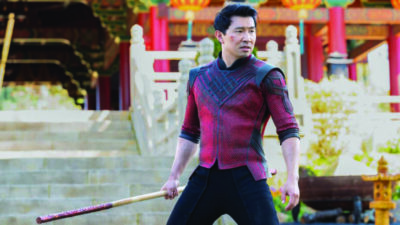
If this summer’s Snake Eyes movie got you back into G.I. Joe you may want to check out the New England G.I. Joe Show, on Sunday, Sept. 26, from 10 a.m. to 4 p.m. at the Holiday Inn (9 Northeastern Blvd. In Nashua). Admission costs $5 (kids under 12 get in free); early bird preview starts at 9 a.m. when admission costs $10, according to the event’s Facebook page. According to a post about the 2020 show, the event features vintage (‘60s and ‘70s) through modern-era figures as well as G.I. Joe comic books and more.
• The Deerfield Fair, scheduled from Thursday, Sept. 30, through Sunday, Oct. 3, at the Deerfield Fairgrounds (34 Stage Road), will feature amusement park rides, live music and other performances, 4-H animal shows and demonstrations and much more. Fair hours are from 8 a.m. to 10 p.m. on Thursday, Friday and Saturday, and from 8 a.m. to 7 p.m. on Sunday. Tickets are $12 for adults and free for kids ages 12 and under. Visit deerfieldfair.com.
• Charmingfare Farm (774 High St., Candia) is holding a multi-day pumpkin festival featuring pumpkin picking, tractor train rides, horse-drawn wagons, pumpkin art, live music and more. Visit their website to pick a date and time to attend. Available dates are Saturday, Oct. 2, and Sunday, Oct. 3, and Saturday, Oct. 9, through Monday, Oct. 11. Tickets are $22 per person and must be purchased online (free for kids ages 23 months and under). Visit visitthefarm.com.
• The Milford Pumpkin Festival is returning to the town’s Oval from Friday, Oct. 8, through Sunday, Oct. 10. Festivities will include live music on the Community House Lawn and Oval stages all three days, plus local food and artisan vendors, scarecrow making, pumpkin and face painting, circus and dance performances and other family-friendly activities. Visit milfordpumpkinfestival.org.
• A modified version of the Warner Fall Foliage Festival is scheduled from Friday, Oct. 8, through Sunday, Oct. 10, in downtown Warner. While the parades and the children’s fun run have been canceled, the festival will still feature local craft and artisan vendors, rides, food, music, competitions and more. Visit wfff.org.
• The Goffstown Giant Pumpkin Weigh-off and Regatta returns to the Goffstown Historic Village on Saturday, Oct. 16, and Sunday, Oct. 17, featuring local vendor booths, pumpkin boats and more. Visit goffstownmainstreet.org/pumpkin-regatta.
Professional Bull Riders
The PBR Monster Energy Invitational comes to the SNHU Arena (555 Elm St. in Manchester; 644-5000, snhuarena.com) on Friday, Oct. 15, at 7:45 p.m. and Saturday, Oct. 16, at 6:45 p.m. Tickets for either show, featuring professional bull riders in a championship competition for a world finals in early November (according to the arena website), start at $19. On pbr.com, find add-on events, such as an Granite State Escape Room event on Oct. 16 at 11 a.m. for $75 per ticket.
Art
Exhibits
• The Currier Museum of Art(150 Ash St., Manchester; 669-6144, currier.org) has a number of special exhibitions on display now and into the fall. “The Body in Art: From the Spiritual to the Sensual,” which runs through Sept. 12, provides a look at how artists through the ages have used the human body as a means of creative expression. Philadelphia-based potter Roberto Lugo pays homage to his Puerto Rican heritage and explores his cultural identity in the exhibit “Te traigo mi le lo lai – I bring you my joy,” up through Sept. 26. “As Precious as Gold, Carpets from the Islamic World” opens on Oct. 23 and will feature 32 carpets dating from the 15th century to the 19th century. Museum admission costs $15 for adults, $13 for seniors age 65 and up, $10 for students, $5 for youth ages 13 through 17 and is free for members and children under age 13. Museum hours are Thursday from 10 a.m. to 8 p.m., and Friday through Sunday, from 10 a.m. to 5 p.m.
• The Portsmouth Historical Society (10 Middle St., Portsmouth, portsmouthhistory.org) has two exhibits on display now through Sept. 12. “Twilight of American Impressionism” showcases New England painters and masters of impressionism Alice Ruggles Sohier and Frederick A. Bosley. “Don Gorvett: Working Waterfronts” features more than 60 works by the contemporary Seacoast printmaker. Admission costs $7.50 for adults and is free for kids under age 18, seniors age 70 and older and active and retired military. Gallery hours are daily from 10 a.m. to 5 p.m.
• The New Hampshire Art Association presents an exhibit, “Images Made from Adventures Great and Small,” featuring photographs by Sarah Cail, at the Concord Chamber of Commerce Visitor Center (49 S. Main St.) now through Sept. 16, followed by “Around New Hampshire,” featuring the oil paintings of Elaine Farmer, from Sept. 21 through Dec. 16. The New Hampshire Art Association also has several exhibitions at its NHAA’s Robert Lincoln Levy Gallery (136 State St., Portsmouth) on view now through Sept. 26. “Landscapes – Real & Imagined” features paintings by Peter Anderson. “Circle of Life” is a themed show featuring works by multiple artists. “The Shop: Photographs of European Auto of Rye” features work by Carol Van Loon. “And What a Time it’s Been” features a compilation of new works created by painters JoAnn Portalupi and Shawn Pelech during the past 18 months of pandemic living, and will include a conversation with the artists at the gallery on Sunday, Sept. 12, from 2 to 4 p.m. Visit nhartassociation.org or call 431-4230.
• Art 3 Gallery (44 W. Brook St., Manchester, 668-6650, art3gallery.com) has an exhibit, “Think Outside the Box,” on view now through Sept. 30, featuring experimental pieces in a variety of media created by local artists during the pandemic.
• Creative Framing Solutions (89 Hanover St., Manchester) features work by different New Hampshire Art Association artists every month. The artists for September are Ellen Marlatt, Eileen Belanger and Elizabeth Craumer. There will be an artist reception on Friday, Sept. 10, from 5 to 8 p.m. Visit nhartassociation.org or call 431-4230.
• A new community art installation, “1,000 Cranes for Nashua,” is on display now in The Atrium at St. Joseph Hospital (172 Kinsley St., Nashua). It features more than 1,000 origami paper cranes created by hundreds of Nashua-area kids, adults and families since April. Visit nashuasculpturesymposium.org.
• The Women’s Caucus for Art’s New Hampshire Chapter presents an exhibit, “Kick-Start!,” at Twiggs Gallery (254 King St., Boscawen; 975-0015, twiggsgallery.wordpress.com) from Sept. 11 through Oct. 31, with an opening reception on Saturday, Sept. 11, from 1 to 3 p.m. The shoe-themed exhibit will feature paintings, sculptures, artist books, drawings and mixed media pieces.
• The New Hampshire Art Association presents its 22nd annual Joan L. Dunfey Exhibition at the NHAA Robert Lincoln Levy Gallery (136 State St., Portsmouth) from Sept. 29 through Nov. 28. It features artwork in a variety of media by regional NHAA members and non-members that follows the theme “Portals.” Visit nhartassociation.org or call 431-4230.
• The Kimball Jenkins Estate (266 N. Main St., Concord, 225-3932, kimballjenkins.com) presents its “Salon 2021” exhibition from Nov. 6 through Jan. 6. The exhibition features offbeat and experimental works in a variety of media by regional artists with diverse studio practices and artistic approaches.
• Manchester art gallery Kelley Stelling Contemporary presents an exhibition, “The Dysfunction of Social Practice,” at the Kimball Jenkins Estate (266 N. Main St., Concord). The exhibition, which opens on Nov. 20, will feature paintings, sculpture and performance works by five New Hampshire artists. Visit kelleystellingcontemporary.com.
Fests and fairs
• The annual TEAM Fall Equinox Festival will take place along Swasey Parkway in downtown Exeter on Saturday, Sept. 18, from 11 a.m. to 6 p.m. It will feature live music, artist vendors, local food, yoga, activities for kids and more. Admission is a suggested donation of $10 per person or $20 per family. Visit teamexeter.com.
• The last two Concord Arts Markets of the season will take place on Saturdays, Sept. 18 and Oct. 16, from 10 a.m. to 3 p.m. at Rollins Park (33 Bow St., Concord). The juried outdoor market features a variety of art and crafts by local artists and craftspeople. Visit concordartsmarket.net.
• The Canterbury Artisan Festival returns to Canterbury Shaker Village (288 Shaker Road, Canterbury, 783-9511, shakers.org.) on Saturday, Sept. 25, from 10 a.m. to 5 p.m. The annual event celebrates artisanal, handcrafted works and features live music and demonstrations. Admission costs $12 for adults, $6 for Village members, and is free for youth and young adults under age 25.
• The Capital Arts Fest, hosted by the League of New Hampshire Craftsmen, will take place on Saturday, Sept. 25, from 10 a.m. to 5 p.m., and Sunday, Sept. 26, from 10 a.m. to 4 p.m., outside the League of NH Craftsmen headquarters (49 S. Main St., Concord). The fair will feature contemporary and traditional crafts by League members and invited artisans, live music, pop-up street theater, dance performances, author presentations and more. Visit nhcrafts.org or call 224-3375.
• The Beaver Brook Association (117 Ridge Road, Hollis, 465-7787, beaverbrook.org) hosts its 40th annual Fall Festival and Nature Art Show on Saturday, Sept. 25, and Sunday, Sept. 26, from 11 a.m. to 5 p.m. The event will feature art by regional artists, children’s art, live music, live animal demonstrations, guided hikes and natural products for sale.
• Girls at Work, a Manchester-based nonprofit that empowers girls through woodworking and building, will host its inaugural Women’s Artisan Fair on Friday, Oct. 15, and Saturday, Oct. 16. The fair will feature handcrafted fashion pieces, home goods, paintings and other visual arts by women artisans. More information is TBA. Visit girlswork.org or call 345-0392.
Classical Music
• Two piano concerts are coming to the Concord City Auditorium (2 Prince St., Concord). Richard Dowling performs “The World’s Greatest Piano Masterpieces” on Saturday, Oct. 2, at 7:30 p.m. Tickets cost $20 at the door or $23 online. William Ogmundson performs American piano music on Wednesday, Oct. 6, at 7:30 p.m. That concert is free. Call 344-4747 or visit ccca-audi.org.
• Symphony New Hampshire’s opening night concert will take place on Saturday, Oct. 9, at the Keefe Center for the Arts (117 Elm St., Nashua). The concert will feature Frank Ticheli’s There Will Be Rest, a tribute to health care workers and those lost during the pandemic, followed by Mozart’s Sinfonia Concertante for Four Winds and the concert chamber orchestra suite of Gershwin’s Porgy and Bess. Visit symphonynh.org.
• The New Hampshire Philharmonic presents “From Darkness to Hope” at Seifert Performing Arts Center (44 Geremonty Dr., Salem) on Saturday, Oct. 16, and Sunday, Oct. 17. The concert will feature Beethoven’s Coriolan Overture, Adagio for Strings by Samuel Barber and Tchaikovsky’s Fifth Symphony. Visit nhphil.org.
• The Portsmouth Symphony Orchestra’s fall concert will be held at The Music Hall Historic Theater (28 Chestnut St., Portsmouth, themusichall.org, 436-2400) on Sunday, Oct. 24, at 3 p.m. The concert will feature Tchaikovsky’s Tempest, Julius Eastman’s “Gay Guerilla” and Beethoven’s Fifth Symphony. Tickets cost $25 to $35 for adults, $25 to $30 for seniors age 60 and up and $20 for students.
• Symphony New Hampshire presents “Suites and Schubert” on Friday, Nov. 5, at St. Mary and Archangel Michael Coptic Orthodox Church (39 Chandler St., Nashua). The concert will feature music by Bach, Schubert and Florence Price, the first African American female composer to have her music performed by a major symphony orchestra in 1933. Notable pieces will include Price’s Suite of Dances, Bach’s Orchestral Suite No. 3, “Air on a G String,” and Schubert’s Symphony No. 5. Visit symphonynh.org.
Film
• The Silent Film Series at the Flying Monkey (39 S. Main St. in Plymouth, flyingmonkeynh.com, 536-2551) continues through the fall, with screenings accompanied by live music performed by Jeff Rapsis. On Thursday, Sept. 9, catch The Shakedown (1929). On Thursday, Oct. 21, the film is The Phantom Of the Opera (1925), starring Lon Chaney. On Wednesday, Nov. 10, it’s The Big Parade (1925). For all films, doors open at 6 p.m. and the movie starts at 6:30 p.m. General admission costs $10.
• Fathom Events has a full slate of anniversary screenings and other special movie screenings this fall. Upcoming screenings include the 35th-anniversary screening of Labyrinth (PG, 1986, David Bowie) at the AMC Londonderry and the Regal Fox Run in Newington Sept. 12 at 3 and 7 p.m. and Sept. 13 and Sept. 15 at 7 p.m.; Forever Golden: A celebration of The Golden Girls featuring a screening of some of the series episodes on Sept. 14 at 7 p.m. at Cinemark Rockingham Park in Salem and Regal Fox Run in Newington; Citizen Kane (1941) on Sept. 19 at 3 p.m. at Cinemark Rockingham Park and Regal Fox Run (where it will also screen at 7 p.m.) and on Sept. 22 at 7 p.m. at both locations; and Carrie (R, 1976) at AMC Londonderry and Regal Fox Run on Sept. 26 at 3 and 7 p.m. and on Sept. 29 at 7 p.m. Find a complete roster of upcoming events and purchase tickets at fathomevents.com.
• Rex Theatre (23 Amherst St. in Manchester; 668-5588, palacetheatre.org) has several movies on the schedule this fall. As part of its Movies for a Cause series, catch recent classics (1980s and after) at 7 p.m. Tickets cost $12 and benefit a local organization. Next up on the schedule: Honey, I Shrunk the Kids (PG, 1989) on Sept. 14, Field of Dreams (PG, 198 ) on Sept. 15, Hedwig and the Angry Inch (R, 2001) on Sept. 21, Serial Mom (R, 1994) on Sept. 22, Frankenweenie (R, 2012) on Oct. 17, and The Nightmare Before Christmas (PG, 1993) on Oct. 18. Also on the schedule for the Rex: Nosferatu (1922), the silent film starring Max Schreck and directed by F.W. Murnau,will screen with live musical accompaniment by Jeff Rapsis on Thursday, Oct. 28, at 7:30 p.m. Tickets cost $10.
• Telluride by the Sea returns to the Music Hall (28 Chestnut St. in Portsmouth; themusichall.org, 436-2400) Friday, Sept. 17, through Sunday, Sept. 19. This year’s new (not yet widely released) films on the lineup include director Jane Campion’s The Power of the Dog, the film A Hero from Iran, the Maggie Gyllenhaal-directed The Lost Daughter, The Hand of God from Italy, the documentary Cow and the documentary The Real Charlie Chaplin. Tickets to individual films cost $20 and packages including all films and special events and seating are also available.
• Jeff Rapsis will also be performing at silent films screening at the Wilton Town Hall Theatre (Main Street in Wilton; wiltontownhalltheatre.com). Drifting (1923) will screen on Sunday, Sept. 19, at 2 p.m. On Sunday, Oct. 10, it’s The White Tiger (1923). On Friday, Oct. 29, at 7:30 p.m. it’s The Blackbird (1923). On Saturday, Oct. 30, at 2 p.m. it’s Outside the Law (1920) and The Unholy Three (1925). On Sunday, Oct. 31, at 2 p.m. it’s Where East is East (1929). On Sunday, Nov. 14, it’s Hot Water (1924), starring Harold Lloyd. On Sunday, Nov. 28, catch Paths to Paradise (1925) and Hands Up! (1926). All Sunday films start at 2 p.m.; suggested donation is $10.
• Be part of the film festival jury at the 24th annual Manhattan Short Film Festival, which will screen Friday, Oct. 1, through Sunday, Oct. 3, at NHTI in Concord (in Sweeney Hall). Watch the 10 shorts that made it to the final round (out of 960 entries from 70 countries) and then vote for the film you think should win. Admission costs $10. The batch of 10 films will screen Friday, Oct. 1, at 7 p.m.; Saturday, Oct. 2, at 2 and 7 p.m., and Sunday, Oct. 3, at 2 p.m. Find information about the films at manhattanshort.com.
The Invisible Man meets The Wolf Man
Two Universal monster movie classics are getting a double feature release in theaters on Saturday, Oct. 30. Catch 1933’s The Invisible Man (starring Claude Rains and Gloria Stuart) and 1941’s The Wolf Man (also starring Rains as well as Ralph Bellamy, Bela Lugosi and Lon Chaney Jr.) starting at 1 p.m. at AMC Londonderry 10 (16 Orchard View Dr.), Cinemark Rockingham Park 12 (15 Mall Road in Salem) and Regal Fox Run Stadium 15 (45 Gosling Road in Newington). Tickets cost $12.50. Find more information at Fathom Events (fathomevents.com).
Food
Tastings, Classes, Workshops & Meals
• The Women’s Fellowship of the Union Congregational Church (71 Main St.) will host a lasagna dinner on Thursday, Sept. 9, from 5:30 to 7:30 p.m. The dinner will feature a spread of homemade meat and vegetable lasagnas, along with tossed salads, Italian breads, assorted home-baked pies and more. Tickets will be sold at the door only (no reservations). The cost is $10 for adults and $5 for children. To-go containers are also available. Find the church on Facebook @uccunionnh.
• LaBelle Winery (345 Route 101, Amherst; 14 Route 111, Derry) has several cooking and wine pairing classes coming up on its schedule at both locations; the next two, set for Wednesday, Sept. 15, and Thursday, Sept. 16, both in Derry at 6 p.m. will respectively cover classic wine and chocolate pairings and knife skills. A similar knife skills class is planned for the Amherst space on Wednesday, Sept. 22, also at 6 p.m. Visit labellewinery.com for the full schedule.
• The Bedford Village Inn (2 Olde Bedford Way, Bedford) will continue its summer dinner series with a New Orleans dinner on Thursday, Sept. 23, at 6 p.m. on its Grand Terrace. The five-course dinner will feature New Orleans-inspired options, and each course will be paired with a classic handcrafted New Orleans cocktail. Tickets are $125 per person (event is open to attendees ages 21 and up only). Visit bedfordvillageinn.com.
• Join LaBelle Winery (345 Route 101, Amherst) at its Amherst location for a beer recipes cooking class on Wednesday, Oct. 6, at 6 p.m. Attendees will get to enjoy a sample of several items cooked with beer, including beer-battered fish tacos, bratwurst in beer with sauerkraut and stout beer chocolate cheesecake. Wine pairings and recipe cards will also be provided. Admission is $32.70 per person. Visit labellewinery.com.
• The next boxed Greek dinner to go, a drive-thru takeout event at Holy Trinity Greek Orthodox Church (68 N. State St., Concord), is happening on Sunday, Oct. 10, from noon to 1 p.m. Orders are being accepted now for boxed meals, featuring half lemon roasted chicken. The event is drive-thru and takeout only — email ordermygreekfood@gmail.com or call 953-3051 to place your order. For details on any future takeout events at the church, visit holytrinitynh.org.
• LaBelle Winery will host classes in decorative focaccia bread making, first at its Derry location (14 Route 111) on Wednesday, Oct. 13, at 6 p.m., and then at its Amherst location on Wednesday, Oct. 20, at 6 p.m. Founder and winemaker Amy LaBelle will walk participants through how to make their own focaccia bread from scratch and how to decorate it with fresh herbs and vegetables to create an edible work of art. The cost is $49.05 per person (including tax) and all ingredients and tools will be provided. Visit labellewinery.com.
• Local chowder and chili makers will compete for the best dish during the 20th annual Lake Sunapee Chowder and Chili Challenge, happening on Sunday, Oct. 17, from noon to 3 p.m. at Sunapee Harbor. A kids tent and local vendors are also expected. See the event on Facebook @chowderchallenge.
• Enjoy Thanksgiving afternoon tea with The Cozy Tea Cart of Brookline, happening on Sunday, Nov. 14, from 1 to 3 p.m. at the Gatherings at The Colonel Shepard House (29 Mont Vernon St., Milford). In addition to teas, food options will include multiple types of tea breads and sandwiches, seasonal pastries and more. Tickets are $39.95 per person and reservations are required. Visit thecozyteacart.com.
• The Bedford Village Inn (2 Olde Bedford Way, Bedford) will hold its annual Able Ebenezer FORUM Ale Dinner on Thursday, Nov. 18, from 6 to 9 p.m. in its Charolais Room. The event will start with a cocktail hour and hors d’oeuvres, followed by a four-course dinner, with each course paired with a craft beer selection from Able Ebenezer Brewing Co. of Merrimack. Tickets are $79 per person and must be purchased in advance. Visit bedfordvillageinn.com.
• Have a Feast of the Pilgrims at the Colby Hill Inn (33 The Oaks, Henniker) on Saturday, Nov. 20. The multi-course wine dinner will feature the chef’s interpretations of some of the foods that could have been served at the original Thanksgiving feast, based on records of what was available during the fall harvest in Plymouth. Live music will also be featured. The cost is $130 per person. Visit colbyhillinn.com.
Festivals
• Join The Children’s Museum of New Hampshire (6 Washington St., Dover) for the NH Maker & Food Fest, set for Saturday, Sept. 18, from 10 a.m. to 3 p.m. New this year, the event is offering a “pay what you can” admission (suggested donations are $5 per person). Visit childrens-museum.org.
• The Egyptian Food Festival is due to return to St. Mary and Archangel Michael Coptic Orthodox Church of Nashua (39 Chandler St.) from Friday, Sept. 17, through Sunday, Sept. 19. Visit stmarycoptsnh.org or follow the church on Facebook @stmaryandarchangelmichael.
Glendi
Get your pastichio, Greek meatballs, baklava and more at Glendi, a three-day festival celebrating Greek culture with food, live music, dancing and crafts. The long-running event will return for the first time since 2019 to St. George Greek Orthodox Cathedral (650 Hanover St., Manchester), from Friday, Sept. 17, through Sunday, Sept. 19. Festival hours are 11 a.m. to 10 p.m. on Friday and Saturday (with food service ending at 9:30 p.m.) and 11 a.m. to 3 p.m. on Sunday. Visit stgeorgeglendi.com or follow festival happenings on Facebook @glendinh.
• Food options from around the world will be represented at the Concord Multicultural Festival, returning on Sunday, Sept. 19, from 11 a.m. to 4 p.m. to a new location at Keach Park (Newton Ave., Concord). Food vendors include restaurants and community members, and the festival also features live entertainment, artisan vendors and more. Visit concordnhmulticulturalfestival.org.
• Join The Stone Church Music Club (5 Granite St., Newmarket) for Oysterfest, scheduled for Sunday, Sept. 19, from noon to 5 p.m., an outdoor event that will feature several local oyster farms, craft beer and live music. Visit stonechurchrocks.com.
• Don’t get yourself in a pickle, because the Winchester Pickle Festival is due to return to downtown Winchester on Saturday, Sept. 25. An event celebrating the town’s Polish heritage, the festival will feature local vendors all day, free Patriot Pickle Co. pickles on the Town Hall lawn (corner of Main Street and Route 119) until they are gone, and photo opportunities at noon on the gazebo with “Mr. Pickle.” Visit winchesternhpicklefestival.org for a full schedule of events.
• Join Tuscan Market (9 Via Toscana, Salem) for Passeggiata: Walk of Wine, an annual festival featuring more than 40 Italian and world wines along with several stationary and passed appetizers happening on Saturday, Sept. 25, from 1 to 4 p.m. Tickets are $30 per person. Visit tuscanbrands.com.
• The New London Rotary Club and the Lake Sunapee Region Chamber of Commerce are organizing the second annual New London Food Truck Festival on the Town Green on Sunday, Sept. 26, from noon to 4 p.m. More than 10 local food trucks are expected to attend, and a beer tent and live music from Peabody’s Coal Train are expected as well. Admission is $8 for adults and $5 for kids (foods are sold separately per item), with proceeds benefiting the Rotary Club’s Charitable Foundation. Visit lakesunapeeregionchamber.com.
• Join Black Bear Vineyard & Winery (289 New Road, Salisbury) for its annual Harvest Weekend on Saturday, Sept. 25, and Sunday, Sept. 26. Attendees can enjoy live music outside between 1 and 5 p.m. each day, and will also have the opportunity to learn how grapes are processed from vine to wine. Food trucks will be on site all day too. Reservations are not required, but bringing your own chairs is recommended. Visit blackbearvineyard.com.
• Apple Harvest Day returns to downtown Dover on Saturday, Oct. 2, from 9 a.m. to 4 p.m. The day-long family event features more than 300 vendors, food, live entertainment and more. Visit dovernh.org/apple-harvest-day.
• Join The Salvation Army of Nashua for its annual Applefest, a two-day event happening on Saturday, Oct. 2, and Sunday, Oct. 3, from 10 a.m. to 4 p.m. each day, at Sullivan Farm (70 Coburn Ave., Nashua). Applefest features a variety of family-friendly fall activities, like apple picking, hay rides, scarecrow making, pumpkin painting and more. Demonstrations from local restaurants and groups will take place throughout both days, and fresh cider, apple pies, ice cream, hamburgers and hot dogs will be available for sale. Visit nne.salvationarmy.org/nashua/applefest.
New Hampshire PoutineFest Spooktacular
A special Halloween edition of the event beloved by poutiniacs from all over New England, the New Hampshire PoutineFest Spooktacular will take place at Anheuser-Busch Tour Center & Biergarten (221 Daniel Webster Hwy., Merrimack) on Saturday, Oct. 23, with VIP entry at 11:30 a.m. and general admittance at 12:45 p.m. Restaurants, food trucks and other vendors will be vying for your palate for the best poutine dish, and the festival will also feature craft beer, children’s activities, games and a DJ. Attendees are encouraged to dress in costume. Tickets to the festival go on sale on Saturday, Sept. 18, and are $39.99 for general admission, $49.99 for VIP admission, $14.99 for kids ages 6 to 12 with sampling and free for kids ages 6 to 12 with no sampling and for kids ages 5 and under. Visit nhpoutinefestspooktacular.eventbrite.com. Photo by Matt Ingersoll.
• Join the Junior Service League of Concord for its annual Fall Festivus, returning on Thursday, Nov. 4, from 6:30 to 10 p.m. This year’s event will be held at The Barn at Bull Meadow (63 Bog Road, Concord) and will feature live music and beer, wine and food samples from local vendors. Tickets are $25 per person or $80 for a group of four. Visit jslconcord.org.
Drinks
• Join the Wilmot Public Library (11 N. Wilmot Road) for Brewing in New Hampshire: An Informal History of Beer in the Granite State from Colonial Times to the Present, a program scheduled for Thursday, Sept. 9, at 7 p.m., in partnership with New Hampshire Humanities. Presenter Glenn Knoblock will explore the history of the state’s beer and ale brewing industry from the Colonial days to today’s modern breweries and brew pubs. Visit nhhumanities.org.
• The Kingston Brewfest will return for a second year on Saturday, Sept. 25, from noon to 4 p.m., at 148 Main St. in Kingston. The event features a variety of local beer and food options, and live music is also planned. Tickets are $35 per person for full access to beer tastings, or $5 for designated drivers. Donations to the Kingston Volunteer Fire Association will also be accepted. Follow them on Facebook @kingstonbrewfest.
• Red, White & Brew, a craft beer and wine festival presented by Veterans Count, returns to Funspot (579 Endicott St. N., Laconia) on Saturday, Sept. 25, with VIP admittance from noon to 1 p.m. and general admittance from 1 to 4 p.m. The event also features food, a car show, raffles, an auction and live music from The Bob Pratte Band. General admission is $35 and VIP admission is $50. Admission for all attendees includes sampling tickets and a commemorative glass while supplies last. Visit vetscount.org/nh/events/red-white-brew-craft-beer-wine-festival.
• To Share Brewing Co. (720 Union St., Manchester) will host an Oktoberfest celebration on Saturday, Sept. 25, from 1 to 9 p.m. featuring food specials, beer releases, stein hoisting competitions and more. Visit tosharebrewing.com.
• Northwoods Brewing Co. (1334 First New Hampshire Turnpike, Northwood) is holding its inaugural Fall Fest on Saturday, Sept. 25, featuring a trunk show from 10 a.m. to 3 p.m. with more than 20 New England makers and small businesses, plus live music throughout the day, the release of a new Oktoberfest brew, fall cocktail specials, specialty food menus and more. Visit northwoodsbrewingcompany.com.
• LaBelle Winery (345 Route 101, Amherst) is holding a blindfolded wine tasting at its Amherst location on Wednesday, Sept. 29, at 6 p.m. Attendees will try five wines while blindfolded during the session, relying on their senses of smell and taste to guess which is which. Admission is $49.05 per person (including tax) and registration is required. Visit labellewinery.com.
• The Powder Keg Beer Festival returns to Swasey Parkway in Exeter on Saturday, Oct. 2, with two sessions, from 11 a.m. to 1 p.m. and from 2 to 4 p.m. The event is presented by the Exeter Area Chamber of Commerce and the Exeter Parks and Recreation department, featuring more than 200 different beers, ciders and hard seltzers to taste from a variety of local vendors. In place of the chili this year, which is normally a staple of the festival, food trucks offering all kinds of options are expected to attend. Tickets are $35 per person, or $10 for designated drivers. Visit powderkegbeerfest.com.
• LaBelle Winery (345 Route 101, Amherst) will host the fourth and final session of its Walks in the Vineyard series on Sunday, Oct. 3, at 11 a.m. Vineyard manager Josh Boisvert and wine educator Marie King will lead attendees on an educational walk throughout LaBelle’s Amherst vineyard, focused on the vines’ overall life cycles. You’ll also have an opportunity to taste four different types of wines throughout the session. Admission is $27.25 per person and includes tax. Visit labellewinery.com.
• The Milford Rotary and Lions Clubs are working on presenting a lineup of vendors for two nights of beer, wine and spirits tastings during the Milford Pumpkin Festival, on Friday, Oct. 8, and Saturday, Oct. 9, from 5:30 to 8:30 p.m. on the Community House Lawn (Union Street, Milford). The cost is $15 per person for 10 tasting tickets before Oct. 4 and $20 per person after Oct. 4. Visit milfordpumpkinfestival.org/bws-tastings.
• The New Hampshire Brewfest will return to Cisco Brewers (35 Corporate Drive, Portsmouth) on Saturday, Oct. 9, with VIP admittance from noon to 1 p.m. and general admittance from 1 to 5 p.m. Admission ranges from $50 to $65 and includes access to tastings from a variety of New England-area craft breweries. Food options from local food trucks will also be available at an additional cost. Visit nhbrewfest.com.
• Don’t miss the Great Oktoberfest, happening on Saturday, Oct. 16, at Anheuser-Busch Tour Center & Biergarten (221 Daniel Webster Hwy., Merrimack). Two sessions are available, from noon to 3 p.m. or from 4:30 to 7:30 p.m., when attendees will get to taste more than two dozen fall and winter brews, including several authentic German varieties. The festival will also feature European-style food, live music, food trucks, games and more. Tickets start at $45 general admission and $15 for designated drivers, with proceeds supporting the Merrimack Rotary Club. Visit greatoktoberfest.com.
• Save the date for the Manchester Brewfest, which is due to return to Arms Park (Commercial Street, Manchester) on Sunday, Oct. 31, with VIP admittance from noon to 1 p.m. and general admittance from 1 to 4 p.m. Tickets are $40 general admission, $50 for VIP admission and $15 for designated drivers. Visit manchesterbrewfest.com.
• Lakes Region Uncorked returns on Thursday, Nov. 4, to the Church Landing at Mill Falls (281 Daniel Webster Hwy., Meredith), with doors opening at 5 p.m. The event features tastings of more than a dozen area craft breweries and wineries, plus food samples, a silent auction, live music, raffles and more. General admission is $50 per person. There is also a premier ticket rate of $90 per person, which grants you access to a celebrity chef demonstration and tasting, with seatings at either 5:30 or 6:30 p.m. All proceeds benefit Lakes Region Community Services. Visit lakesregionuncorked.com.
• Get your ticket now to the eighth annual Distiller’s Showcase of Premium Spirits, happening on Thursday, Nov. 4, from 6 to 8:30 p.m. at the DoubleTree by Hilton Manchester Downtown (700 Elm St., Manchester). The centerpiece of New Hampshire Distiller’s Week, the event features more than 700 spirits and foods from more than 25 restaurants to sample. Tickets are $60 per person, with proceeds benefiting the New Hampshire Food Bank. Visit distillersshowcase.com.
Books
• Kerri Arsenault presents Mill Town:Reckoning with What Remains at The Music Hall (28 Chestnut St., Portsmouth, themusichall.org) on Thursday, Sept. 9, at 6 p.m. Tickets start at $60 for a small table with two copies of the book included.
• Margaret Porter presents The Limits of Limelight at Gibson’s Bookstore (45 S. Main St., Concord, gibsonsbookstore.com) on Tuesday, Sept. 14, at 6 p.m.
• Bookery Manchester (844 Elm St., Manchester, bookerymht.com) welcomes R.W.W. Greene with his book Twenty Five to Life on Friday, Sept. 10, from 5:30 to 7 p.m.
• Regina Hansen will be at Bookery Manchester (844 Elm St., Manchester, bookerymht.com) on Wednesday, Sept. 15, from 5 to 6 p.m., presenting her book The Coming Storm.
• Lara Bricker presents Dead on Deadline at The Word Barn (66 Newfields Road, Exeter) on Wednesday, Sept. 15, at 7 p.m. Registration is required. Tickets are a suggested donation of $5 per person. Bricker will also be at Water Street Bookstore (125 Water St., Exeter) on Friday, Sept. 17, from 5 to 7 p.m. Visit waterstreetbooks.com.
• Daniel Cantor Yalowitz presents Reflections on the Nature of Friendship at the Toadstool Bookshop (12 Depot Square, Peterborough, toadbooks.com) on Saturday, Sept. 18, at 11 a.m.
• Barnes & Noble (1741 S. Willow St., Manchester, barnesandnoble.com) welcomes Gigi Georges with her book Downeast: Five Maine Girls and the Unseen Story of Rural America, on Saturday, Sept. 18, at 1 p.m.
• A Freethinker’s Corner(652 A Central Ave., Dover, 343-2437, freethinkerscorner.com) will host a multi-author book signing and sale on Saturday, Sept. 18, from noon to 4 p.m., and a multi-author children’s book signing and sale on Saturday, Sept. 25, from noon to 4 p.m.
• Gibson’s Bookstore (45 S. Main St., Concord, gibsonsbookstore.com) welcomes Jeff Benedict with his book The Dynasty on Wednesday, Sept. 22, at 6 p.m.
• Emma Philbrick will be at Barnes & Noble (1741 S. Willow St., Manchester, barnesandnoble.com) signing her book Arkivestia on Saturday, Sept. 25, at 1 p.m.
• Humor writer David Sedaris comes to the Capitol Center for the Arts (44 S. Main St., Concord, ccanh.com) on Sunday, Sept. 26, at 7 p.m. Tickets start at $49.
• Barnes & Noble (1741 S. Willow St., Manchester, barnesandnoble.com) hosts a book signing with Dianne Tolliver for her book Life Everyone Has a Story on Saturday, Oct. 9, at 10 a.m.Teks and Trails