It’s fall!
Or, you know, it’s “fall” — as in, calendar aside, we have pumpkin spice flavored everything and kids are back at school.
And the arts and entertainment events schedule is packed.
Here are some fairs, foodie events, art openings, Old Home Days, concerts, theatrical productions, special film screenings, book events and more to keep you out and enjoying the season through Wednesday, Nov. 25. Did we miss your favorite bit of fall fun? Let us know at adiaz@hippopress.com.
FAIRS & FESTIVALS
• Hillsborough County Agricultural Fair, held at the New Boston 4-H Youth Center at 17 Hilldale Lane in New Boston, will run Friday, Sept. 11, through Sunday, Sept. 13, opening at noon on Friday and 9 a.m. on Saturday and Sunday. The fair features 4-H exhibits and shows as well as demos, a giant pumpkin weigh-off and more, according to the fair schedule on the fair’s website. Children’s activities run throughout the fair, as does a midway with rides and games. See hcafair.org.
• Auburn Day and Annual Duck Race will take place Saturday, Sept. 12, from 10 a.m. to 3 p.m. at Auburn Village on Hooksett Road. The day will feature local artisans, local authors, food vendors, cookie and apple pie contests, a duck race ($5 gets you a rubber ducky-style duck to enter in the race) and more, according to the website. See auburnhistorical.org.
• The family-friendly, dog-friendly Wags to Whiskers Festival held by the Humane Society for Greater Nashua will take place Saturday, Sept. 12, from 11 a.m. to 3 p.m. at Holman Stadium in Nashua. The day will feature K9 demonstrations, adoptable puppies, entertainment, kids’ games and more, according to hsfn.org, where you can purchase tickets.
• The annual Family Fun Day hosted by the Friends of Benson Park will take place Saturday, Sept. 12, from 11 a.m. to 3 p.m. at Benson Park, 19 Kimball Hill Road in Hudson, and will celebrate the park’s 100th anniversary, according to friendsofbensonpark.org.
• Granite State Fair will run Thursday, Sept. 17, through Sunday, Sept. 20, and Thursday, Sept. 24, through Sunday, Sept. 27, at 72 Lafayette St. in Rochester. The midway of rides and games will run each day of the fair and there is a line-up of grandstand and livestock events, Circus Hollywood, a cornhole tournament and more. See granitestatefair.com for tickets and a schedule.
• The annual New Hampshire Highland Games & Festival will take place Friday, Sept. 18, through Sunday, Sept. 20, at Loon Mountain Resort in Lincoln, featuring a celebration of Scottish culture with Scottish music, dance, food, heavy athletics, sheep dog trials and more, according to nhscot.org, where you can purchase tickets to the festival or to special musical performances or food events.
• Hollis Old Home Days will run Friday, Sept. 18, and Saturday, Sept. 19, with events including the town parade (10:30 a.m on Saturday), a chicken pageant (4 p.m. on Saturday), an artisan market, a heritage and demonstration tent, fireworks Saturday evening and more, according to hollisoldhomedays.org.
• Granite State Comic Con, granitecon.com, will take place Saturday, Sept. 19, and Sunday, Sept. 20, at Double Tree By Hilton and SNHU Arena, both on Elm Street nearly across the street from each other, in downtown Manchester. There is also a Friday night preview on Sept 18, from 3 to 8 p.m. Find tickets to specific days or all three days or VIP packages on the website, where you will also be able to find a schedule and updates on participating artists.
• Derryfest will take place Saturday, Sept. 19, from 10 a.m. to 4 p.m. in MacGregor Park in Derry, according to derryfest.org, where you can find a line-up of entertainment. The day will also feature a craft fair, food and vendors, according to a post on the event’s Facebook page.
• Hooksett Old Home Day will take place Saturday, Sept. 19, and will feature a parade (10 a.m.), an authors alley, craft & retail vendors, a Heritage Trolley Tour, a line-up of live performances and more, according to hooksettoldhomeday.org, where you can find a schedule.
• Nashua Airport’s Wheels & Wings “A Touch a Truck Event” will take place Saturday, Sept. 19, from 10 a.m. to 2 p.m. at Boire Field with cars, trucks and planes to see and explore, according to the city’s SummerFun brochure at nashuanh.gov. The event will feature a horns-free hour from 1 to 2 p.m. and will collect nonperishable food for End 68 Hours of Hunger, the brochure said
• The annual AerospaceFest at the McAuliffe-Shepard Discovery Center in Concord will take place Saturday, Sept. 19, from 10:30 a.m. to 4 p.m. and will feature STEM and aerospace organizations from across New England, the debut of the new planetarium show “Encounters in the Milky Way” and more, according to starhop.com.
• Pelham Old Home Day will take place Saturday, Sept. 19, featuring vendors, an auction, kids’ activities, a quilt raffle, food trucks, a parade and more, according to pelhamoldhomeday.org, where you can find the full schedule.
• The Hampton Falls Craft Festival will take place Saturday, Sept. 19, from 10 a.m. to 5 p.m., and Sunday, Sept. 20, from 10 a.m. to 4 p.m., at the Hampton Falls Town Common featuring more than “75 juried artisans and specialty food makers,” according to castleberryfairs.com, where you can find the vendor list.
• The New Hampshire Pagans Faire will take place Saturday, Sept. 19, from 10 a.m. to 6 p.m. and Sunday, Sept. 20, from 10 a.m. to 5 p.m., with a Night Market on Saturday from 7 to 9:30 p.m., according to newhampshirepagansfaire.org, where you can purchase tickets. The event takes place at the Belknap County Fairgrounds, 174 Mile Hill Road in Belmont, and will feature vendors, workshops, artists and makers, food vendors and more, according to the website, where you can find a map of the fairground.
• The Concord Multicultural Festival will run Sunday, Sept. 20, from 11 a.m. to 5 p.m. in Keach Park in Concord Heights, according to concordnhmulticulturalfestival.org, where you can sign up to receive updates. The day will feature food, artists and makers, entertainment, vendors and more, the website said.
• Toddlerfest, the annual celebration of younger kids at the Children’s Museum of New Hampshire in Dover, will run Tuesday, Sept. 22, through Sunday, Oct. 4, according to childrens-museum.org, where you can purchase admission for the Toddlerfest days. The museum will feature special events and activities geared toward younger kids, the website said.
• Manchester has two more Final Friday events on the schedule this season — Friday, Sept. 25, and Friday, Oct. 30, according to the event’s Instagram page. On these days Hanover Street between Elm and Chestnut is closed to vehicle traffic between 4 and 8 p.m. for a block party-style event featuring vendors, food, live music and more, posts said.
• Beaver Brook Association’s Fall Festival will take place Saturday, Sept. 26, from 10 a.m. to 4 p.m. at Beaver Brook Association, 117 Ridge Road in Hollis, and feature live demonstrations, food, kids’ activities and an apple cider press, according to Beaver Brook’s Facebook page. See beaverbrook.org.
• Local Comic Shop Day will take place Saturday, Sept. 26, 10 a.m. to 6 p.m., at Double Midnight Comics, 252 Willow St. in Manchester, according to Double Midnight’s Facebook page. “On Local Comic Shop Day we celebrate our community with a variety of special offerings, sales, free comics and more,” the post said.
• The Harvest Moon Festival at the Mt. Kearsarge Indian Museum in Warner will take place Saturday, Sept. 26, from 10 a.m. to 3 p.m., according to indianmuseum.org. Tickets will be for sale at the gate, the website said. “The day will include the opportunity to make dolls from corn husks, sweet grass braids and also beading. There is also a special scavenger hunt activity…. Enjoy watching the art of basketmaking, and learn the process of how acorn flour is made. There will be sensory-friendly activities and games. The entire family will savor the taste of Native foods, including the ever-popular Hidatsa bison stew,” the website said.
• Nashua Multicultural Festival will take place Saturday, Sept. 26, from noon to 5 p.m. at Le Parc De Notre Renaissance Française on Water Street in Nashua, and feature food, art, dance and more, according to nashuanh.gov/1237/Nashua-Multicultural-Festival.
• Henniker Brewing Co. in Henniker will host Dysfunction Junction 2, a day of music, food trucks, vendors and more on Saturday, Sept. 26, with doors opening at noon. The event, which is all ages (no pets), will feature music on two stages (one inside, one outside), according to hennikerbrewing.com, where you can find a link to purchase tickets.
• The Concord Municipal Airport will host Wings & Wheels on Sunday, Sept. 27, from 10 a.m. to 2 p.m., an all-ages event focused on aviation and STEM, featuring vehicles and aircraft, Academy of Model Aeronautics demos, food trucks and more, according to concordnh.gov/1713/ Wings-Wheels-Event.
• Concorso Italiano, a celebration of Italian cars and food as well as live music and family entertainment, will take place Sunday, Sept. 27, from 10 a.m. to 1 p.m. at the Tuscan Village in Salem, according to tuscanvillagesalem.com.
• The Deerfield Fair runs Thursday, Oct. 1, through Sunday, Oct. 4, at the fairgrounds, 34 Stage Road in Deerfield. The event features rides, live music, the Flying Wallendas high wire act, horse shows and agriculture events, magic shows, dog demonstrations and more, according to deerfieldfair.com, where you can purchase tickets.
• Downtown Concord has two more First Friday events on the schedule this year — Friday, Oct. 2, and Friday, Nov. 6, from 4 to 8 p.m., according to firstfridayconcord.com. The theme on Oct. 2 is Oktoberfest. On Nov. 6 the theme is Concord Art Walk, according to the website, where you can find the lineup of musicians slated to perform and food trucks scheduled to attend for each day.
• The Girl Scouts of the Green and White Mountains will hold The Expo on Saturday, Oct. 3, from 10 a.m. to 3 p.m. at the NH Sportsplex, 68 Technology Drive in Bedford, according to a press release. The day will feature performances, workshops, exhibitors with hands-on activities and more, many with a focus on STEM, the arts or the outdoors. Admission costs $10. Seegirlscoutsgwm.org.
• Charmingfare Farm in Candia will hold its annual Pumpkin Festival Saturday, Oct. 3, and Sunday, Oct. 4, and Saturday, Oct. 10, through Monday, Oct. 12. Pick a pumpkin from the pumpkin patch, take a tractor- or horse-drawn wagon ride, meet costumed characters, enjoy a children’s corn maze, watch a juggling and comedy show and listen to live music, according to visitthefarm.com, where you can purchase tickets to a specific time during the two weekends.
• The Autumn Craft Festival on the Lake will take place Saturday, Oct. 3, from 10 a.m to 5 p.m., and Sunday, Oct. 3, from 10 a.m. to 4 p.m., at Mill Falls Marketplace in Meredith featuring specialty foods and more than 70 juried artisans, according to castleberryfairs.com.
• The Warner Fall Foliage Festival will take place at locations in Warner from Friday, Oct. 9, through Sunday, Oct. 11, with food trucks and vendors, craft vendors, rides and midway, oxen pulls and woodsman competitions, a 5K, a book and bake sale, parades and more, according to wfff.org, where you can see this year’s schedule and get updates.
• The Milford Pumpkin Festival will run Friday, Oct. 9, from 5 to 9 p.m.; Saturday, Oct. 10, from 10 a.m. to 9 p.m., and Sunday, Oct. 11, from 10 a.m. to 3 p.m., at locations in downtown Milford and featuring three days of live music, a Friday lighting of the town hall pumpkin, the Haunted Trail on Friday and Saturday, a 5K, a pumpkin carving demo, a pumpkin catapult, a pumpkin mural, a rubber duck race, food vendors and more, according to milfordpumpkinfestival.org.
• A Fall Fair at Joppa Hill Educational Farm in Bedford will take place Saturday, Oct. 10, from 10 a.m. to 4 p.m., and will feature hayrides, farm animal meet and greets, vendors, live entertainment, food trucks, apple cider doughnuts and more, according to jhef.org, where you can purchase tickets.
• The New Hampshire Wool Arts Tour will run Saturday, Oct. 10, from 10 a.m. to 5 p.m., and Sunday, Oct. 11, from 10 a.m. to 4 p.m., at five farms in Deering, Antrim, Bennington, Greenfield and Lyndeborough and will feature demonstrations (creating yarn, weaving, knitting, felting and more), live music, live animals, food vendors, fiber vendors, artists and crafters set up at the farms and more, according to woolartstournh.com, where you can find locations and descriptions of participating farms.
• The Not Afraid To Fail Fest, held by Queerlective (queerlective.com), will take place Sunday, Oct. 11, at 1 p.m. at BNH Stage in Concord, according to the website. “This benefit and variety show brings together first-time performers, emerging artists, and community members willing to step outside their comfort zones and try something big. Expect comedy, music, poetry, storytelling, drag, performance art, creative experiments, and ideas we may not have imagined yet,” according to the website, where you can purchase tickets and apply to perform.
• Indigenous People’s Day at Mt. Kearsarge Indian Museum in Warner on Monday, Oct. 12, from 10 a.m. to 4 p.m. will feature free admission and hands-on activities, according to indianmuseum.org.
• Canterbury Shaker Village, 288 Shaker Road in Canterbury, will hold an Antique and Vintage Car Show on Saturday, Oct. 17, from 10 a.m. to 2 p.m., according to shakers.org, where you can purchase tickets. The Shaker Village also has several workshops and other events on the schedule this fall.
• Windham will hold its annual Harvest Fest on Saturday, Oct. 17, from 1 to 4 p.m. in Griffin Park featuring a “Horribles parade,” trick-or-treating and more, according to windham.recdesk.com.
• Nashua Recreation will hold its Halloween Boo Bash on Saturday, Oct. 17, from 3 to 6 p.m. in Greeley Park featuring a trunk-or-treat, pumpkin decorating, a haunted house, hayrides and more, according to nashuanh.gov/546/SummerFun.
• Goffstown’s annual Giant Pumpkin Weigh-Off and Regatta will be held Saturday, Oct. 17, and Sunday, Oct. 18, featuring vendors and events in downtown Goffstown leading up to a regatta of pumpkin water craft. See goffstownmainstreet.org/pumpkin-regatta. Goffstown Main Street will also host Trick or Treat Downtown on Saturday, Oct. 31, from 6 to 8 p.m., the website said.
• Charmingfare Farm in Candia will hold its annual Children’s Trick or Treat Saturdays and Sundays, Oct. 17-18 and Oct. 24-25 and Oct. 31, according to visitthefarm.com. The event will feature horse-drawn wagon or tractor train rides along a Halloween-themed trail, candy gathering locations, visits with farm animals, a juggling show and more, according to the website, where you can purchase tickets.
• The Laconia Pumpkin Festival is slated for Friday, Oct. 23, and Saturday, Oct. 24, featuring local vendors, a pumpkin tower, food and drink, a costume parade, a 10K and 5K walk and run, a duck derby and more, according to laconiapumpkinfestival.com, where you can find a schedule.
• Henniker Brewing Co., 129 Centervale Road in Henniker, hennikerbrewing.com, will host The Haunting of Henniker on Saturday, Oct. 31, at 5 p.m. featuring costume contests and music from Lungbuster, Hobo Wizard, When the Deadbolt Breaks, Long Pig and Phantasm, the website said.
FOOD FESTIVALS
• The Egyptian Food Festival at St. Mary and Archangel Michael Coptic Orthodox Church (29 Chandler St., Nashua, stmarycoptsnh.org) will take place Friday, Sept. 11, from 4 to 9 p.m; Saturday, Sept. 12, from 11 a.m. to 8 p.m., and Sunday, Sept. 13, from noon to 6 p.m., according to the church’s Facebook page. The festival will include authentic Egyptian food, music, kids’ activities and more, the post said.
• The Hampton Beach Seafood Festival will take place Friday, Sept. 11, through Sunday, Sept. 13, with a lineup of live music each day and a wide variety of seafood for purchase, according to seafoodfestivalnh.com, where you can buy tickets for a specific day or for all days of the festival and see this year’s program.
• The Auburn Pitts Annual Pig Roast will take place Saturday, Sept. 12, starting at noon, at Auburn Pitts, 167 Rockingham Road in Auburn, according to a post on the restaurant’s Facebook page. “Join us for our 3rd annual Pig Roast! Backyard Buffet, live music with multiple bands, bonfire, great time with friends & family,” according to the post. Purchase tickets at Auburn Pitts on the day or in advance, the post said.
• Glendi, the annual celebration of Greek food and culture at St. George Greek Orthodox Cathedral (650 Hanover St., Manchester, stgeorgenh.org/activities/glendi, 622-9113), will run Friday, Sept. 18, through Sunday, Sept. 20, and will be open from 11 a.m. to 10 p.m. on Friday and Saturday, 11 a.m. to 3 p.m. on Sunday. Enjoy food, dancing, live music (Friday and Saturday, 5:30 to 9:30 p.m.), vendors selling Greek items, raffles and more, according to the Cathedral’s website.
• The Manchester Brewfest will take place Saturday, Sept. 19, with general admission from 1 to 4 p.m. and a VIP admission starting at noon at Arms Park in Manchester, according to manchesterbrewfest.com, where you can purchase tickets (including a designated driver ticket) and see the lineup of brewers and food and vendors. The event, which benefits The Moore Center, will also feature live music from Nefarious Motives, the website said.
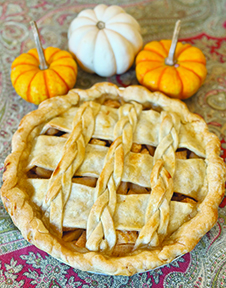
• The Great New Hampshire Pie Festival will take place at the New Hampshire Farm Museum in Milton on Saturday, Sept. 19, from 10 a.m. to 4 p.m.; you can enter a pie for competition or just attend to eat pie from area bakers, according to nhfarmmuseum.org.
• To Share Brewing Co., 720 Union St. in Manchester, tosharebrewing.com, will hold its seventh annual Oktoberfest on Saturday, Sept. 26, starting at 1 p.m. to celebrate the release of its Oktoberfest Altbier, according to the brewery’s Facebook page. The day will feature drink specials, beer bratwurst and Oktoberfest eats, games and challenges, and more, the post said.
• Holy Trinity Greek Orthodox Church, 68 N. State St. in Concord, will hold its annual Greek Food Festival on Saturday, Sept. 26, from 11 a.m. to 4:30 p.m., according to an email from the church. See holytrinitynh.org.
• Henniker Brewing Co., 129 Centervale Road in Henniker, hennikerbrewing.com, will host an Oktoberfest Friday, Oct. 2, through Sunday, Oct. 4, featuring food and beer as well as music from Beechwood, Northern Lites, Rubik’s Muse, The Bullseye Band and more, according to the website.
• 603 Brewery in Londonderry will hold a family- and dog-friendly Fall Fest on Saturday, Oct. 3, noon to 8 p.m. featuring live music and a DJ, special eats, vendors and more, according to 603brewery.com.
• The annual Powder Keg Beer & Chili Festival will take place in Swasey Parkway in downtown Exeter on Saturday, Oct. 3, with general admission at 1 p.m., noon for VIP ticket holders, according to powderkegbeerfest.com, where you can purchase tickets.
• The Chocolate Expo will take place Sunday, Oct. 11, from 10 a.m. to 6 p.m. at the DoubleTree Expo Center in downtown Manchester featuring tastings and sales of chocolates and other specialty foods as well as craft beverages, according to thechocolateexpo.com, where you can purchase tickets.
• The 2026 Mount Uncanoonuc Brewfest will take place Saturday, Oct. 17, from 1 to 5 p.m. at Mountain Base Brewery, 553 Mast Road in Goffstown, which cohosts the 21+ event along with the Worker Bee Fund. The day will feature breweries and other beverage purveyors, food vendors, live music and more, according to Mountain Base Brewery’s Facebook page, where you can find a link to purchase tickets.
• The annual Distiller’s Showcase of Premium Spirits will take place Thursday, Nov. 5, from 6 to 8:30 p.m. at the DoubleTree by Hilton Manchester Downtown, according to distillersshowcase.com, where you can check back for updates on new Distiller’s Week events and purchase tickets.
• The 14th Annual Fulchino Vineyards Wine and Cheese Festival will take place Saturday, Nov. 14, and Sunday, Nov. 15, at the vineyard in Hollis with tickets available for time slots on each day, according to fulchinovineyard.com. Taste wines, artisan meats, cheeses, oils, vinegars and desserts, the website said.
ART EXHIBITS
• “Montages: Peter Cordova & Kyoko Idetsu” runs through Saturday, Sept. 19, at Outer Space Arts, 35 Pleasant St., Concord, which is open Saturdays from noon to 3 p.m. or by appointment, according to outerspacearts.xyz. An exhibition featuring Dana DeGiulio and Michelle Grabner will take place in October, the website said.
• “Pure Form: Abstract Expression” an exhibit featuring the works of 24 regional artists, is on display at the Center for the Arts Member Gallery, 428 Main St. in New London through Oct. 24, according to centerfortheartsnh.org, where you can also find information on a Microgalleries series of exhibits at New London locations (Alison Vernon at Grounds, 374 Main St.; Karen Haskell + Sara Rae at Blue Loon Bakery, 12 Lovering Lane, and Peter Jacoby at Tatewell Gallery, 277 Newport Road), also on display through Oct. 24.
• The NH Audubon’s Massabesic Center, 26 Audubon Way in Auburn, nhaudubon.org, presents the exhibit “Jyl Draws Every Day: A Creature Double Feature Exhibit by Jyl Dittbenner” through Oct. 30. The NH Audubon’s McLane Center, 84 Silk Farm Road in Concord, nhaudubon.org, presents a “Chromatic Nature Exhibit” featuring acrylic paintings by Tracy Levesque through Oct. 24. Both centers are open Wednesdays through Saturdays, 11 a.m. to 5 p.m.
• Currier Museum of Art, 150 Ash St., Manchester, currier.org, will exhibit “Florentine Baroque: The Haukohl Collection” Thursday, Sept. 10, through April 11, according to currier.org. The exhibit “is your passport to 17th and 18th century Florence, Italy, this fall at the Currier. Nearly 40 paintings and sculptures evoke a world in transition, as the rise of opera and theater opened up new ways of capturing the human experience. See Florentine masterpieces imbued with the spirit of the stage and displayed in gorgeous frames from the period,” the website said. “Pepe Mar: Dream House” will be on display at the Currier Museum of Art Thursday, Oct. 1, through Feb. 21, the website said. The exhibit “is the first New England presentation of the Mexico-born, Miami-based artist whose exuberant works synthesize thrift store aesthetics, queer culture, science fiction, and fashion,” the website said.
Also on display at the Currier is “Radical Quiet: Contemporary Drawings of Nature by Victoria Elbroch, Nancy Friese, and Margot Glass” through Sunday, Jan. 10, the website said. The Currier is open Wednesdays through Sundays, 10 a.m. to 5 p.m.
• The Eleventh Letter The Writing Gallery, 146 N. Main St. in Concord, theeleventhletter.com, will present “Ice, Wind & Fire: Images and Poems of Climate Change,” opening Sept. 10, with a reception from 6 to 8 p.m. and an artist talk from Roger Wells at 6:30 p.m., according to the website. The exhibition “Eleven:11” featuring“eleven writer-artists’ works” will open Friday, Nov. 6, with a reception from 4 to 8 p.m., according to the website (the opening will correspond with Intown Concord’s annual Art Walk). The Writing Gallery will also host “Cursed II: Haunted Objects and Storytelling!” in collaboration with N.A.V. Arts on Oct. 29 from 6 to 8 p.m., a “free, fun, spooky spoken word night where seasoned storytellers spin a yarn based on various “cursed” objects created by local artists,” the website said.
• Mosaic Art Collective, 410 Chestnut St. in Manchester, is now exhibiting “Full Circle — New Beginnings 2026,” featuring work “in all media that speaks to renewal, growth, connection, and the ongoing nature of change,” through Monday, Sept. 28, with an opening reception on Sept. 12 from 5 to 7 p.m., according to mosaicartcollective.com.
Mosaic Studios, 66 Hanover St., Suite 201, in Manchester will also display “Reflections: 180 Years of Manchester NH,” featuring works that explore Manchester’s history, identity and evolution over the past 180 years, Saturday, Sept. 12, through Monday, Oct. 26, with an opening reception on Sept. 12 from 5 to 7 p.m., according to mosaicartcollective.com.
• “Continuing the Tradition” will be on display at the Exhibition Gallery at the League of NH Craftsmen’s headquarters, 49 S. Main St., Concord, Thursday, Sept. 10, through Thursday, Oct 22, according to nhcrafts.org. “Continuing the Tradition celebrates the craftsmen who have become juried members of the League — or have added a new media to their existing membership — within the past three years (Spring 2023-Spring 2026). This exhibition will showcase an exciting range of media and the diverse perspectives of nearly one hundred artists, reflecting the evolving story of our historic organization,” the website said. The “Craft Apprentice Program Capstone Exhibition” will be on display at the gallery Thursday, Nov. 5, through Friday, Dec. 4, the website said. “The League of NH Craftsmen, in partnership with the Maine Crafts Association (MCA), is excited to announce the Capstone Exhibition marking the end of our fourth year of participation in the Craft Apprentice Program (CAP). CAP is an in-studio educational opportunity for apprentices who demonstrate a commitment to further their abilities as craft artists. They accomplish this through a significant relationship with a mentor artist,” the website said. The gallery is open Monday through Thursday, 9 a.m. to 4 p.m. There will be an opening reception on Thursday, Nov. 5, from 5 to 7 p.m.
• Kimball Jenkins, 266 N. Main St. in Concord, kimballjenkins.com, will open the exhibition “Artisan Ensemble: A Visual Showcase” on Friday, Sept. 11, to run through Saturday, Oct. 10, at the Mansion featuring artists Christine Ryan, Diane Siglin, Gail Smuda and Marsha Zavez, according to the website. The reception will be on Sunday, Sept. 13, from 1 to 3 p.m. The exhibition “Musings, Memory and Magic” featuring the works of Wen Redmond will run Friday, Sept. 18, through Saturday, Oct., 17, at the Carriage House with an opening reception on Sept. 18 from 5 to 7 p.m. and an artist talk on Saturday, Oct. 3, at 11 a.m., according to the website. The exhibition “Harvest Hues” will run Friday, Oct. 16, through Saturday, Nov. 14, at the Kimball Jenkins Mansion, with a reception on Oct. 18 from 1 to 3 p.m., the website said.
• See Saw Art, 408 Chestnut St. in Manchester, seesaw.art, will feature the exhibition “Codex Insolitus” featuring the works of Karl Fleck and Todd Pattison, Saturday, Sept. 12, through Sunday, Sept. 27, with an opening reception Sept. 12 from 5 to 7 p.m., according to seesaw.art.
• Two Villages Art Society 846 Main St. in Contoocook, twovillagesart.org, has several upcoming exhibits. “Crossing Thresholds,” featuring painting and photography by Jon Hoglund, Ann Saunderson and Sher Kamman, will run from Saturday, Sept. 12, through Saturday, Oct. 10, with an opening reception from noon to 2 p.m., according to the website. “Home Sweet Home,” featuring fiber art, glass, and pottery from Lisa Almeida, Laura Morrison, Anne Boedecker, Verne Orlosk, Sarah Burns and Cheryl Miller, will run Saturday, Oct. 17, through Saturday, Nov. 14, the website said. The “2026 TVAS Winter Members Show & Sale” will run Saturday, Nov. 28, through Sunday, Dec. 27, the website said. The gallery is open during exhibitions from Thursday through Sunday from noon to 4 p.m.
• The Millspace, 55 Main St. in Newmarket, millspace.org, will feature “The Scale of Things” exhibit featuring works that explore “large spaces, close-up observations, big ideas, or anything that shifts our sense of proportion and perspective,” according to the website. The exhibit runs Saturday, Sept. 12, through Saturday, Dec. 5, with an opening reception on Sept. 12 from 6:30 to 8:30 p.m, the website said.
• “Wind & Waves” will open at the Lakes Region Art Gallery at Tanger Outlets, 120 Laconia Road, Suite 300, in Tilton, on Saturday, Sept. 19, with an opening reception from 4 to 6 p.m., according to a press release. The show is described as “a themed exhibit of works by member artists at the Lakes Region Art Gallery,” the release said. The gallery is open Thursdays through Sundays, beginning at 10 a.m., the press release said.
• Proctor Academy, 204 Main St. in Andover, will exhibit a collection of portraits and stories by photographer Becky Field “documenting New Hampshire’s cultural diversity” in the Brown Dining Commons from September through December with an opening reception, open to the public, on Thursday, Oct. 1, from 6 to 7 p.m., according to an email from campus art curator Molly Leith.
• Creative Ventures Gallery, 411 Nashua St. in Milford, creativeventuresfineart.com, will display “the work of current and past students” in October with an opening on Saturday, Oct. 4, from 2 to 4 p.m., the website said.
• Oct. 9 through Nov. 9 Show at Glimpse Gallery, 4 Park St., Concord, will have an opening reception on Saturday, Oct. 10, from 5 to 7 p.m., according to theglimpsegallery.com. Dec. 9 through Jan. 9 Show at Glimpse Gallery will have an opening reception on Saturday, Dec. 12, 5-7 p.m., the website said.
• The Factory on Willow, 252 Willow St. in Manchester, factoryonwillow.com, will hold an exhibition featuring artists in residence Darby Dawid and Tamar Manuel on Tuesday, Nov. 3, according to the website, where you can find links to profiles for both artists.
• Art 3 Gallery, 44 W. Brook St. in Manchester, art3gallery.com., will open its fall exhibit “A Sense of Place” on Monday, Nov. 9, according to an email from the gallery, which is open Monday through Friday, 12:30 to 4 p.m. or by appointment. “This new exhibit invites viewers to consider how artists react to their surroundings whether in a realistic interpretation of their space or an abstracted version based on emotion and imagination,” the email said.
ART EVENTS
• The annual Bridges and Connections International Sculpture Symposium at the Andres Institute of Art (106 Route 13, Brookline, andresinstitute.org, 673-7441) starts Saturday, Sept. 12, with an opening reception at 1 p.m. and a ticketed concert that night, according to the website, where you can check for updates on other events during the symposium and find information on providing meals for the artists working on new pieces for the Institute’s trails. This year’s artists are Fermin Castro from Cuba and Massachusetts, Dankha Zomaya from Syria and Illinois, and Marin Murakoshi from Japan and Massachusetts, and this year’s theme is “Curiosity,” the website said. The closing ceremony will be Sunday, Oct. 4, according to andresinstitute.org, where you can find past years’ artists’ works as well as trail maps.
• The Currier Museum of Art, 150 Ash St. in Manchester, currier.org, will hold Community Day on Saturday, Sept. 12, from 10 a.m. to 5 p.m. (with art-making from 10 a.m. to 3 p.m.) featuring free admission; tours of the galleries with artists from the exhibit “Radical Quiet” at 1, 2 and 3 p.m.; the New Hampshire Forest Society; hands-on activities and more, the website said.
Other upcoming Currier events include the “Pepe Mar: Dream House” exhibition opening ceremony on Thursday, Oct. 1, from 6 to 8 p.m., featuring music, art and conversation “as Pepe Mar makes his New England debut,” the website said, and Masquerade Night at the Museum on Friday, Oct. 30, from 6 to 9 p.m., according to the website, where you can purchase tickets for events.
• The Concord Arts Market will return to Rollins Park in Concord for another season of Arts in the Park dates running one Saturday a month through October, according to concordartsmarket.org. Upcoming dates include Saturday, Sept. 12, and Saturday, Oct. 10, from 10 a.m. to 3 p.m. The Concord Arts Market will also be at the remaining First Friday events on Fridays, Oct. 2 and Nov. 6 in downtown Concord, the website said.
• The 39th Fall Artisan Craft Fair will take place Saturday, Sept. 12, from 9:30 to 4 p.m. and Sunday, Sept. 13, from 9:30 a.m. to 3 p.m. at St. Peter’s Episcopal Church, 3 Peabody Row in Londonderry, featuring more than 70 booths, food, a tag sale and more, according to a press release. See stpeterslondonderry.org.
• The Craftworkers’ Guild Harvest Shop will run Thursday, Sept. 17, through Monday, Oct. 12, open Thursdays through Sundays (and the final Monday) at 3 Meetinghouse Road in Bedford, according to thecraftworkersguild.org. “The Craftworkers’ Guild is a non-profit, community based organization that brings together people interested in handcrafts or fine arts. We are the oldest organization of crafters in New Hampshire and currently enjoy the participation of over 60 members from Bedford and area communities,” the website said.
• There will be a Shaker Village Barn Dance at the Canterbury Shaker Village, 288 Shaker Road in Canterbury, on Friday, Sept. 18, from 7:30 to 10 p.m. featuring music by Jordan Tirrell-Wysocki and Sue Hunt with caller David Millstone, according to shakers.org, where you can purchase tickets.
• The Manchester Citywide Arts & Kids Festival takes place Monday, Sept. 14, through Saturday, Sept. 19, with a street fair on Saturday, Sept. 19, from 10 a.m. to 4 p.m., according to facebook.com/MHTArtsFest, where you can check for updates on the events.
• Center for the Arts in New London holds its next First Friday Oct. 2 when the Northern Stage Theater will present a season preview, according to centerfortheartsnh.org. On Nov. 6, the gallery stroll will feature new exhibitions, the website said.
• Center for the Arts in New London will host an Open Studio 2026 on Saturday, Oct. 3, and Sunday, Oct. 4, from 10 a.m. to 4 p.m., according to centerfortheartsnh.org. The event “features live demonstrations, local art, and studio tours. Located at 428 Main St. [in New London] and various locations, these events provide a behind-the-scenes look at artists’ work spaces and foster community interaction, often including painting workshops,” the website said.
• Monadnock Art Open Studio Tour runs Saturday, Oct. 10, through Monday, Oct. 12, from10 a.m. to 5 p.m. daily with at least 84 artists in 65 studios in Peterborough, Dublin, Jaffrey, Sharon, Harrisville, Hancock and Marlborough, according to an email from Modnadnock Art and monadnockart.org, where you can find a map of participating locations and see works from the artists. The Gallery Exhibition featuring work by artists on the tour will be on display in Bass Hall at the Monadnock Center for History and Culture, 19 Grove St. in Peterborough, Saturday, Oct. 3, through Saturday, Oct. 31, the email said. An opening reception will take place at the Monadnock Center on Saturday, Oct. 3, from 4 to 7 p.m., the website said.
• Deerfield Arts Tour takes place Saturday, Oct. 17, and Sunday, Oct. 18, from 10 a.m. to 4 p.m. and features artists at 10 locations according to deerfieldarts.com, where you can find a map of the studios.
• Fly Me To the Moon Arts Ball to benefit Nashua Community Arts will take place at the Nashua Center for the Arts, nashuacenterforthearts.com, on Saturday, Oct. 17, starting at 6 p.m., an “evening inspired by Frank Sinatra and the golden age of swing” featuring live music and dancing, cocktails, fine dining and more, according to a post on the Nashua Center for the Arts’ Facebook page, where you can find a link for tickets.
• The Millspace, 55 Main St. in Newmarket, millspace.org, will host Paper Jam, a zine and print fest, on Saturday, Nov. 7, from 11 a.m. to 4 p.m., “bringing together artists, writers, printmakers, and indie publishers from across the Seacoast and greater New England,” according to the website.
• The Bedford Handmade Fair will take place Sunday, Nov. 8, from 10 a.m. to 2 p.m. at Bedford High School, 47 Nashua Road in Bedford, featuring local artists, crafters and artisans, according to a press release. See sites.google.com/bedfordnhk12.net/bedfordhandmade/home.
THEATER
• The Seacoast Reporatory Theatre (125 Bow St. in Portsmouth, seacoastrep.org) continues its production of Green Day’s American Idiot through Sept. 27, with shows at 7:30 p.m. on Thursdays, Fridays and Saturdays and 2 p.m. on Saturdays and Sundays, according to the website, where you can purchase tickets. Its main stage season continues with Evil Dead The MusicalThursday, Oct. 8, through Sunday, Nov. 8, and A Christmas Carol Thursday, Nov. 19, through Sunday, Nov. 20, with shows at 7:30 p.m. on Thursdays, Fridays and Saturdays and 2 p.m. on Saturdays and Sundays (no show on Thanksgiving), the website said.
Other events at The Rep include the Rep Academy presentation of RENT: School Edition at 7:30 p.m. on Sundays, Sept. 13 and Sept. 20, and Wednesdays, Sept. 16 and Sept. 23; a Season 2027 Reveal on Tuesday, Sept. 22, at 7:30 p.m.; The Rep Underground presentation of A Tempting Murder(“A unique evening of music blending the song catalogues of Sheryl Crow, The Black Crowes, Counting Crows, and more, this tempting murder of crows is sure to leave you with an appetite for more,” the website said) on Wednesday, Oct. 21, and Tuesday, Oct. 27, at 7:30 p.m., and RepStock on Wednesday, Nov. 25, at 7:30 p.m (“Take a trip back to 1969 with us as we deliver a groovy selection of music from the historic music festival that started it all, Woodstock. Featuring music from The Who, Janis Joplin, Jimi Hendrix, The Grateful Dead, Joe Cocker, and more,” the website said). The Rep also offers classes for adults, teens and youth as well as audition opportunities for teens and youth, the website said.
• The Palace Theatre (80 Hanover St. in Manchester) kicks off the St. Mary’s Bank 2026-2027 Performing Arts Series with Sister Act, which runs Sept. 11 through Oct. 4 with shows Fridays at 7:30 p.m.; Saturdays at 2 and 7:30 p.m. and Sundays at 2 p.m. as well as Thursday, Sept. 24, at 7:30 p.m., according to palacetheatre.org, where you can purchase tickets. Fiddler on the Roof will run through Oct. 23 through Nov. 15, with shows Fridays at 7:30 p.m.; Saturdays at 2 and 7:30 p.m. and Sundays at 2 p.m. as well as Thursday, Nov. 12, at 7:30 p.m., the website said. Before Thanksgiving, the Southern New Hampshire Dance Theatre will present The NutcrackerThursday, Nov. 19, at 7 p.m.; Friday, Nov. 20, at 7:30 p.m.; Saturday, Nov. 21, at 11 a.m., 4 p.m and 7:30 p.m., and Sunday, Nov. 22, at noon and 4:30 p.m. Other theatrical productions slated for the Palace include School of Rock The Musical on Tuesdays, Sept. 15 & 22, and Wednesdays, Sept. 16 & 23, at 7 p.m.; Matilda Jr. onTuesday, Oct. 27, and Wednesday, Oct. 28, at 7 p.m., and Witch Perfect, described as an “all live-singing, comedy parody” of Hocus Pocus,on Thursday, Oct. 29, at 8 p.m.
At the Rex Theatre (23 Amherst St. in Manchester), catch Broadway to the Big Screen with Jenene Caramelo on Thursday, Oct. 15, at 7:30 p.m. and Edge of Reality: The Magic Man of Manchester and Matt the Mystic on Friday, Nov. 6, at 7 p.m., according to palacetheatre.org, where you can purchase tickets.
• Actorsingers (actorsingers.org) will present Flustercluck! The Real Henhousewives of New Jersey, described as “an absurdist comedy following the antics and exploits of the hens of Villa Roosta, a humble yet successful diversified hobby farm on the outskirts of bucolic Shamong, New Jersey,” as its entry in the NCTA Festival, on Saturday, Sept. 12. Actorsingers will also present The Wedding Singeras a mainstage production at the Keefe Center for the Arts, 113 Elm St. in Nashua, Friday, Nov. 6, through Sunday, Nov. 8, the website said.
• The Community Players of Concord host the NH Community Theatre Association’s One-Act Performance Festival on Saturday, Sept. 12, at noon featuring four regional theater groups, at the Concord City Auditorium, 2 Prince St. in Concord, theaudi.org, according to the website. Tickets cost $20 at the door, the website said. The performing companies will be the Community Players of Concord with The Forgiving Time, Nashua Theatre Guild with House on the Hill off the Boulevard at the End of the Sidewalk, Bedford Off Broadway with Sammy’s Game and Actorsingers from Nashua with Flustercluck! The Real Henhousewives of New Jersey, according to an email from the Audi.
• The Powerhouse Theatre Collaborative, powerhousenh.org, will present Big Bad: The Trials and Tribulations of a Fairy Tale Wolf with shows throughout the day on Saturday, Sept. 12, from 11 a.m. to 4 p.m. and Sunday, Sept. 13, 1 to 4 p.m. at Prescott Farm Environmental Education Center, 928 White Oaks Road in Laconia, according to the website, where you can purchase tickets. Powerhouse will also present Peter and the Starcatcher on Friday, Oct. 9, and Saturday, Oct. 10, at 7:30 p.m. and Sunday, Oct. 11, at 2 p.m. at The Colonial Theatre, 609 Main St. in Laconia, the website said. Hook’s Tale will run Saturday, Oct. 17, at 1 p.m. at Laconia Public Library and Sunday, Oct. 18, at 3 p.m. at Taylor Community Woodside Building, the website said. The Power Chords will present their Power Chords Holiday Concert, “a concert that celebrates Broadway and the holiday season,” on Friday, Nov. 21, at 7 p.m. at the Taylor Community Woodside Building in Laconia and Congregational Church in Laconia, Sunday, Nov. 23, at 3 p.m., the website said.
• New Hampshire Theatre Project, 959 Islington St., No. 3, in Portsmouth, nhtheatreproject.org, will present the NHTP Guest Artist Production Just Breathe: The Quest for a Little Peace of Mind .. and Chocolate Thursday, Sept. 17, at 7:30 p.m.; Friday, Sept. 18, at 1:30 and 7:30 p.m.; Saturday, Sept. 19, at 4 p.m., and Sunday, Sept. 20, at 2:30 p.m., according to the website, where you can purchase tickets to this one-woman show featuring Lesley Ann Smith. The MainStage premieres its 2026-2027 season with the drama The Sound Inside by Anthony Rapp Friday, Oct. 16, through Sunday, Nov. 1, with shows on Fridays at 7:30 p.m., Saturdays at 4 p.m. and Sundays at 2:30 p.m., according to the website, where you can purchase tickets. The NHTP goes to Langdon House in Portsmouth for Langdon House Parlor Entertainments: A Victorian Frightful on Thursday, Oct. 15, at 7 p.m. and Saturday, Oct. 17, at 4 p.m., described as “an evening of eerie songs and stories inspired by Edgard Allan Poe and Joseph Sheridan Le Fanu, performed in costume …” on the website. As part of the Play Readings for Grown-ups series, the theater will present Crimes of the Heart(described as “[w]armhearted, irreverent, zany and brilliantly imaginative”) on Saturday, Oct. 3, at 4 p.m. and Sunday, Oct. 4, at 2:30 p.m., and Miracle on 34th Street on Saturday, Dec. 12, at 4 p.m. and Sunday, Dec. 13, at 2:30 p.m., the website said. The theater also offers “Theatre For Life Professional Development Workshops at NHTP” starting Sept. 24 and “Yes/And” a six-week improvisation course Oct. 20 through Nov. 24; see the website for details.
• Theatre Kapow (tkapow.com) will present Iphigenia in Aulis, a play by Euripides transadapted by Anne Washburn, on Friday, Sept. 18, at 7:30 p.m.; Saturday, Sept. 19, at 2 p.m., and Sunday, Sept. 20, at 2 p.m. at BNH Stage in Concord, according to the website. See ccanh.com for tickets. Fans of this summer’s The Odyssey will remember the tale told here of Clytemnestra and her daughter Iphigenia arriving in Aulis as General Agamemnon, Clytemnestra’s husband and Iphigenia’s father, prepares to set sail with his army, according to the website.
• The Manchester Community Theatre Players (MCTP Theatre, at North End Montessori School, 698 Beech St. in Manchester, manchestercommuniththeatre.com) will present The Addams Family Friday, Sept. 18, through Sunday, Sept. 27 (shows at 7:30 p.m. on Fridays and Saturdays, 2 p.m. on Sundays), according to the website, where tickets will be for sale. In October, look for Carrie The MusicalFriday, Oct. 23, through Sunday, Nov. 1, with shows at 7:30 p.m. on Fridays and Saturdays and 2 p.m. on Sundays, the website said.
• Dive in Productions, diveinproductions.com, will present Hedwig and the Angry Inch at the the Millspace, 55 Main St. in Newmarket, millspace.org, Friday, Sept. 18, through Sunday, Oct. 4, with shows at 7:30 p.m. on Fridays and Saturdays and 2 p.m. on Saturdays and Sundays, according to the Millspace website, where you can purchase tickets.The company will also present Tipsmas on Nov. 28 and will run a Stage Combat class on Saturday, Oct. 24, the website said.
• The Players’ Ring, 105 Marcy St. in Portsmouth, playersring.org, presents As Time Goes By (which has the tagline “Time Travel. Comedy. Heart.”) Friday, Sept. 18, through Sunday, Oct. 11, with shows at 7 p.m. on Thursdays, Fridays and Saturdays and at 2 p.m. on Saturdays and Sundays, according to the website, where you can purchase tickets. The Agatha Christie story of “Murder. Suspense. 1930s” And Then There Were Nonewill run Thursday, Oct. 23, through Sunday, Nov. 15, with shows at 7 p.m. on Thursdays, Fridays and Saturdays and at 2 p.m. on Saturdays and Sundays (2 p.m. only on Oct. 31 and 2 and 7 p.m. on Nov. 1), the website said. A staged reading of An Empty Sky, part of the New Play Lab, will take place on Tuesday, Oct. 27, at 6:30 p.m.
• The Amato Center, 56 Mont Vernon St. in Milford, amatocenter.org, presents productions for its own Riverbend Youth Company, RYC Alumni and Friends of Amato (open to children and adults), according to the website. Featuring 8th- through 12th-grade performers, its Riverband Youth Company performs Holy Mother of Bingo — “The audience will love playing five actual rounds of bingo while this outrageous murder mystery unfolds around them!” — on Friday, Sept. 25, at 7:30 p.m. and Saturday, Sept. 26, at 1 and 4 p.m., according to the website, where you will be able to purchase tickets.
In October, catch Friends of Amato’s Sam Shovel, Private Eye, featuring grade 11 through adult, on Friday, Oct. 23, at 7:30 p.m. and Saturday, Oct. 24, at 1 and 4 p.m., the website said. The show is described as “A Radio Theater production recorded with a live studio audience, the website said. “It’s a hot and sultry day in the gritty city, and Sam Shovel has a dead man sprawled in her office, stabbed in the back with a yardstick. Ends up this is just the first of a string of murders happening in the fashion industry.”
• The Majestic Theatre (880 Page St. in Manchester) will hold Majestic in Wonderland Auction & Performance Fundraiser on Friday, Sept. 25, and Saturday, Sept. 26, at 6:30 p.m., according to majestictheatre.net, where you can purchase tickets for the event and the raffle. The event will feature Majestic’s adult, teen and youth actors, Ted Herbert Music School faculty and students, and special guests, the website said, as well as a silent auction of items including passes to cultural venues, electronics, restaurant gift certificates and more. There will be “theme raffles, and refreshments each evening,” according to the website, where you can purchase tickets. Scrooge! The Musical will hold all-ages auditions Sept. 30 and Oct. 1 for the show that runs Friday, Dec. 11, through Sunday, Dec. 13, at the Derry Opera House, according to an email from the theater. The Majestic will also hold “Theatre Workshop Days” for ages 8 through adult on Oct. 3 and Nov. 7. Catch the Rockin Daddios on Sunday, Oct. 4 at the theater, the email said. Other fall productions include Much Ado About Murder, a murder mystery, Oct. 23-25, and Dashing Through the Snow, a comedy, Nov. 20-22, the email said. See the website for updates and tickets.
• LaBelle Winery features theatrical events at both its Amherst (345 Route 101) and Derry (14 Route 111) locations, according to labellewinery.com, where you can purchase tickets for these events. Shows scheduled in Amherst include Roaring ’20s Dinner Party with Cirque De Light Aerialists on Sunday, Sept. 27, at 6:30 p.m., and Monster Mash Murder Mystery Dinner Party on Sunday, Oct. 18, at 6:30 p.m., the website said.
• The Capitol Center for the Arts has shows at both its Chubb Theatre (44 S. Main St. in Concord) and BNH Stage (16 S. Main St. in Concord) locations, according to ccanh.com.
At the Chubb, upcoming shows include Cat Kid Comic Club The Musicalon Tuesday, Sept. 29, at 6 p.m.; Jim Henson’s Fraggle Rock: Back to the Rock Live on Friday, Oct. 9, at 7 p.m.; Wild Kratts Live 2.0: Active Creature Power! on Thursday, Oct. 15, at 3:30 and 6:30 p.m.; Cirque Kalabante on Sunday, Oct. 18, at 7 p.m.; The Vampire Circus on Friday, Oct. 30, at 7:30 p.m., and Menopause The Musicalon Sunday, Nov. 22, at 2 p.m., according to the website.
At the BNH Stage, shows include a “The MET Live in HD” production of Cosi Fan Tutte on Saturday, Oct. 3, at 1 p.m.; The MET Live in HD: MacBeth on Saturday, Oct. 17, at 1 p.m.; Twenty Years of the MET in Cinemas Saturday, Oct. 18, at 1 p.m., and Sh*t-Faced Shakespeare presents MacBethon Saturday, Nov. 14, at 8 p.m., the website said.
• The Music Hall (Historic Theater at 28 Chestnut St. in Portsmouth; Lounge at 131 Congress St. in Portsmouth; themusichall.org) will present Sesame Street Live: Elmo’s Got The Moves at the Historic Theater on Wednesday, Sept. 30, at 6 p.m. On Thursday, Oct. 8, catch Golden Girls: The Laughs Continueat the Historic Theater on Thursday, Oct. 8, at 7 p.m., according to the website, where you can purchase tickets. “Relive the heartfelt hilarity of four ladies who never stopped being your friends — starring male actors as the iconic TV characters. Recommended for ages 18+ due to adult themed comedy,” the website said. Chicka Chicka Boom Boom: The Musical will be at the Historic Theater on Thursday, Oct. 29, at 9:30 and 11:30 a.m., the website said.
• The Abbey Players at Saint Anselm College (tickets.anselm.edu) will present True Colors: An Abbey Players Cabaret on Friday, Oct. 2, at 7 p.m. at the Dana Center on Saint Anselm College campus in Manchester, according to the website. The Dana Center will also feature Ailey II Dance on Wednesday, Sept. 30, at 7:30 p.m. and Leland Faulkner: Dreamcatcher on Sunday, Nov. 22, at 4 p.m., the website said. “Dreamcatcher celebrates the magical adventures and wondrous tales of Native America, the website said.
• Nashua Theatre Guild (nasthuatheatreguild.org) will present Emma on Friday, Oct. 2, through Sunday, Oct. 4, with shows at 7:30 p.m. on Friday and Saturday and 2 p.m. on Saturday and Sunday at the Janice B. Streeter Theatre/Court Street Theatre, 14 Court St. in Nashua, according to the website, where you will be able to purchase tickets. “A fresh feminist take on a treasured classic, this Emma breaks down convention, expectation and even the fourth wall with vibrant comic flair,” the website said of the show.
• Cue Zero Theatre (cztheatre.com) will present Ride the Cyclone, described as “[d]arkly funny, deeply heartfelt and full of unforgettable music,” on Friday, Oct. 2, and Saturday, Oct. 3, at 7:30 p.m. and Sunday, Oct. 4, at 2 p.m. at Arts Academy of New Hampshire, 19 Keewaydin Drive, No. 4, in Salem, according to the website, where you can purchase tickets.
• Ovation Theatre Company, 61 Harvey Road, Londonderry, ovationtc.com, will present The Big One-Oh! Jr. on Friday, Oct. 2, and Saturday, Oct. 3, at the Derry Opera House, 29 W. Broadway in Derry, with a cast of performers ages 8 to 18, according to the website. The company will also present Frozen on Friday, Nov. 13, and Saturday, Nov. 14, featuring a cast of mostly age 12 through adult, the website said.
• Garrison Players Arts Center 449 Roberts Road in Rollinsford, garrisonplayers.org, will present Night Watch Friday, Oct. 2, through Saturday, Oct. 17, with shows Fridays at 7:30 p.m., Saturdays at 4 p.m. and Sundays at 2 p.m., according to the website, where you can purchase tickets. “This ingeniously devised thriller builds steadily in menace and suspense until its breath-stopping twist ending,” the website said.
• Safe Haven Ballet, safehavenballet.org, will offer a “Fall Mixed Repertoire in studio performance,” Illuminate on Friday, Oct. 2, at 6 p.m. at its studio, 200 Chase Drive in Portsmouth, the website said.
• Lend Me a Theater (lendmeatheater.org) will present Occupation: Murder!, an interactive murder mystery, on the evenings of Saturday, Oct. 3, and Sunday, Oct. 4, at Tupelo Music Hall in Derry (tupelomusichall.com) with dinner and a show or show-only ticket options and on Oct. 10-11 and Oct. 17-18 at the YWCA in Manchester, according to the website.
• At the Nashua Center for the Arts (201 Main St. in Nashua, nashuacenterforthearts.com), theatrical productions include Chazz Palminteri’s A Bronx Tale Live, a one-man play, on Sunday, Oct. 4, at 7 p.m.;Napoleon Dynamite Live featuring a screening of the 2006 film and a “Lively, freewheeling, interactive experience” with Jon Heder, Jon Gries and Efren Ramirez on Sunday, Oct. 11, at 7 p.m.; Michael Jackson History Show, a “music tribute and full-scale stage production” on Tuesday, Oct. 13 at 7:30 p.m.; Andy Grammer Greater Than Pt. II: A One Man Show, described as a blend of “acoustic performance, spoken word, storytelling and real-time audience connection,” on Tuesday, Nov. 3, at 7:30 p.m., and Jessica Lynn’s A Very Merry Classic Christmas, featuring “Jessica and her family band alongside high-energy dancers, marching bands, choirs, breathtaking special effects and the timeless Christmas classics,” on Tuesday, Nov. 24, at 7 p.m., according to the website, where you can purchase tickets.
• Theatrical offerings at the Stockbridge Theatre (5 Pinkerton St., Derry, pinkertonacademy.org/stockbridge-theatre) include Cat Kid: The Musical on Wednesday, Oct. 7, at 10 a.m.; Queens, a play by the Pinkerton Players about King Henry VIII in purgatory, Friday, Oct. 16, through Sunday, Oct. 18 (7 p.m. on Friday and Saturday; 2 p.m. on Sunday), and Cirque Us: Stories on Saturday, Oct. 24, at 2 p.m., the website said.
• The Peacock Players (peacockplayers.org) has two fall productions scheduled for Janice B. Streeter Theatre (14 Court St. in Nashua). Catch Between the Lines Jr., a Fall Youth MainStage production, Friday, Oct. 9, through Sunday, Oct. 18, with shows at 7 p.m. on Fridays and Saturdays and 2 p.m. on Saturdays and Sundays (as well as a 10 a.m. performance on Thursday, Oct. 15). The Fall Teen Mainstage production is Once Upon a One More Timeon Friday, Nov. 13, through Sunday, Nov. 22, shows at 7 p.m. on Fridays and Saturdays and 2 p.m. on Saturdays and Sundays (as well as a 10 a.m. performance on Thursday, Nov. 19).
• Millspace, 55 Main St. in Newmarket, millspace.org, will host “Mill After Dark: A Night of Drag” on Friday, Oct. 9, from 7 to 9 p.m., according to the website, where you can purchase tickets. The space will also host a Youth Theatre Workshop on Saturday, Oct. 10, from 9 a.m. to 3 p.m. for ages 9 to 14, ending in an improv showcase at 2:30 p.m., the website said. The Millspace Mainstage Cabaret Series will present Millspeakeasy on Saturday, Nov. 21, at 7:30 p.m., which the website described as an “intimate cabaret night filled with swingin’ Broadway hits, vintage flair, and old-school elegance.”
• Franklin Opera House, franklinoperahouse.org, will present Quixotic! a one-man show with storyteller Andy Davis, on Saturday, Oct. 10, at 7 p.m. at the Franklin Public Library, according to the website, where you can purchase tickets. The opera house also will present Murder in Black and Whilte, a mystery dessert theater fundraiser, on Friday, Nov.. 13, and Saturday, Nov. 14, at 7:30 p.m. at Franklin Elks Lodge. 125 S. Main St. in Franklin, according to the website, where you can purchase tickets.
• The Colonial Theatre, 609 Main St. in Laconia, coloniallaconia.com, has theatrical productions on its schedule including the Michael Jackson History Show on Wednesday, Oct. 14, at 7:30 p.m. and Girls Night The Musical on Saturday, Oct. 17, at 7:30 p.m., according to the website, where you can purchase tickets.
• Community Players of Concord (communityplayersofconcord.org) has two productions on its fall schedule. The company’s Children’s Theatre Project will present Looking Glass Landon Friday, Oct. 16, at 7 p.m. and Saturday, Oct. 17, at 2 p.m. at the Concord City Auditorium, 2 Prince St. in Concord, according to the website, where tickets will be available for purchase. In November the Players will present the musical Come From Away Friday, Nov. 20, through Sunday, Nov. 22, also at the Concord City Auditorium, the website said.
• Epping Community Theater (38 Ladds Lane, Epping, eppingtheater.org) will present The Legend of Sleepy Hollow, a “Halloween Old Time Radio production,” on Friday, Oct. 16, at 7 p.m. and Sunday, Oct. 18, at 2 p.m., according to the website, where you can purchase tickets. Frozen the Broadway Musical will run Friday, Nov. 6, through Sunday, Nov. 15, (7 p.m. on Fridays and 2 p.m. on Saturdays and Sundays), according to the website, where you can check back for tickets.
• Jonesing for Theater, jonesingfortheater.wixsite.com, will present Carrie The Musical at Millspace, 55 Main St. in Newmarket, millspace.org, Friday, Oct. 16, through Sunday, Nov. 1, according to the venue’s website, where you can purchase tickets. Described as “a chilling, blood-red theatrical experience based on Stephen King’s legendary horror story,” the show runs at 7:30 p.m. on Fridays and dSaturdays and 2 p.m. on Saturdays and Sundays, the website said.
• Rochester Opera House, 31 Wakefield St. in Rochester, rochesteroperahouse.org, will present SeussicalFriday, Oct. 16, through Sunday, Nov. 8, according to the website, where you can see the line-up of days and times and purchase tickets.
• Winnipesaukee Playhouse Professional Theatre for young audiences will present The Commedia Pinocchio at the Winnipesaukee Playhouse, 33 Footlight Circle, Meredith, Saturdays, Oct. 17 and Oct. 24, at 10 a.m. and 3 p.m., and Sunday, Oct. 18, 1 p.m., according to winnipesaukeeplayhouse.org, where you can purchase tickets. The Edgar Allan Poe Afterlife Radio Showwill be presented by the Winni Players Community Theatre at the Winnipesaukee Playhouse, 33 Footlight Circle, Meredith, on Thursday, Oct. 29, and Friday, Oct. 30, at 7:30 p.m. and Saturday, Oct. 31, at 2 p.m., according to winnipesaukeeplayhouse.org, where you can purchase tickets. The Winni Players will also present Irving Berlin’s White Christmas on Thursday, Nov. 19, through Saturday, Nov. 21, at 7 p.m. and Saturday, Nov. 21, and Sunday, Nov. 22, at 2 p.m., the website said.
• Windham Actors Guild (windhamactorsguild.com) will present Roald Dahl’s Charlie and the Chocolate Factory at Windham High School on Friday, Oct. 23, and Saturday, Oct. 24, at 7 p.m. and Sunday, Oct. 25, at 2 p.m., according to the website, where you will be able to purchase tickets.
• The Village Players 51 Glendon St. in Wolfeboro, village-players.com, will present the musicalMan of La Mancha Friday, Oct. 30, through Sunday, Nov. 1, and Friday, Nov. 6, through Sunday, Nov. 8, according to the website, where you can purchase tickets. The Players will also hold auditions on Saturday, Sept. 26, from 10 a.m. to noon, for A Charlie Brown Christmas, which will be presented Friday, Dec. 4, through Sunday, Dec. 6, the website said.
• Bedford Off Broadway, which holds its performances at Bedford Town Hall, 3 Meetinghouse Road in Bedford, will present Crimes of the Heart Friday, Nov. 6, through Sunday, Nov. 8, and Friday, Nov. 13, through Sunday, Nov. 15, with shows at 7:30 p.m. on Fridays and Saturdays and 2 p.m. on Sundays, according to the Facebook page and bedfordoffbroadway.com.
• Kids Coop Theatre will presentThe Little Mermaid Jr. Nov. 20-22 at the Derry Opera House. See kctnh.org for details.
CLASSICAL MUSIC
• Portsmouth Symphony Orchestra, portsmouthsymphony.org, kicks off its slate of fall shows with PSO Chamber Players: Palette of Voices on Saturday, Sept. 12, at 3 p.m. at New Castle Congregational Church, 65 Main St. in New Castle, according to the website, where you can purchase tickets. On Sunday, Sept. 20, violinist Joshua Bell plays Lalo’s Symphonieespagnole with the symphony at a 3 p.m. show at The Music Hall in Portsmouth. On Sunday, Oct. 4, at 3 p.m. the PSO Chamber Players present a program of Pulitzer Prize Winners at Christ Church, 43 Pine St. in Exeter. On Sunday, Nov. 1, the symphony presents a program called “The Universe” at 3 p.m. at the Music Hall in Portsmouth. On Sunday, Dec. 20, the symphony brings its Family Holiday Pops! Concert, including a sing-along, at 3 p.m. and 6 p.m. at Portsmouth High School. For all shows, see the website for tickets.
• Evenings at Avaloch are held in the concert barn space at Avaloch Farm Music Institute with visiting artists and ensembles of different genres from around the world who are in residence at the Institute (16 Hardy Lane, Boscawen, avalochfarmmusic.org). Upcoming Evenings at Avaloch concerts take place at 5 p.m. on Saturdays, Sept. 12, Sept. 19 and Sept. 26, according to the website, where you can purchase tickets and see the line-ups. On Saturday, Oct. 10, at 5 p.m., catch Moanin’ Frogs, according to the website, where you can also find information on the evening’s barbecue. On Saturday, Oct. 31, at 4 p.m. it’s the annual Fall Gala, also featuring live performances; a Bach and Brunch event takes place Sunday, Nov. 1, at 9 a.m. See the website for tickets for either.
• Symphony New Hampshire will enter the new season with a new music director — Adam Kerry Boyles, according to symphonynh.org. On Sunday, Sept. 13, at 3 p.m., the Symphony will present the season opening concert Love, Tragedy & Triumph featuring Mozart’s Cosi Fan tutte, the English folk song “O Waly Waly,” music from Romeo and Juliet and El amor brujo by Manuel de Falla, according to the website, where you can purchase tickets. The show takes place at the Stockbridge Theatre, 44 N. Main St. in Derry, the website said.
• The Manchester Choral Society will hold an open sing on Monday, Sept. 14, at 7 p.m. at Grace Episcopal Church, 106 Lowell St. in Manchester, according to a press release. “Prospective members are invited to experience a rehearsal, meet current singers, and sing through selections from the choir’s inspiring fall concert repertoire: Francis Poulenc’s exuberant Gloria and Camille Saint-Saëns’ beloved Christmas Oratorio. Following the Open Sing, interested singers may schedule an audition to join the ensemble for its 66th concert season,” the release said. “The Manchester Choral Society welcomes singers with prior choral experience who are interested in performing challenging and rewarding repertoire in a supportive musical community.” See mcsnh.org.
• The Rex Theatre, 23 Amherst St. in Manchester, palacetheatres.org, will feature Candlelight: Featuring Vivaldi’s Four Seasons & More on Thursday, Oct. 1, at 6 p.m., according to palactheatre.org, where you can purchase tickets. Candlelight returns on Thursday, Nov. 19, for Candlelight: Coldplay & Imagine Dragons at 6 p.m. and Candlelight: Tribute to Queen and the Beatles at 8:30 p.m., the website said.
• Strafford Wind Symphony, straffordwindsymphony.org, will have a concert at the Rochester Opera House on Wednesday, Oct. 21, at 7 p.m., according to the website, where you can purchase tickets.
• The New Hampshire Philharmonic Orchestra will open its season with the show “From Beethoven to the Beyond” on Saturday, Oct. 31, at 7:30 p.m. and Sunday, Nov. 1, at 2 p.m., according to nhphil.org, where you can purchase tickets. The Phil’s other 2026 concert is the Holiday Pops on Saturday, Dec. 19, at 7:30 p.m. and Sunday, Dec. 20, at 2 p.m., the website said. Phil concerts take place at the Seifert Performing Arts Center at Salem High School, 44 Geremonty Drive in Salem, the website said.
• The Jazz Ambassadors of the United States Army Field Band will offer a free concert at the Music Hall in Portsmouth on Thursday, Nov. 5, at 7 p.m., according to themusichall.org, where you can get tickets.
• Nashua Chamber Orchestra, nco-music.org, will hold its fall concert, “Brahms and Shepherds,” on Saturday, Nov. 14, at 7 p.m. at the Nashua Community College and Sunday, Nov. 15, at 3 p.m. at the Milford Town Hall, according to the website, where you can purchase tickets.
• The Nashua Choral Society, nashuachoralsociety.org, will have a guest appearance at the Nashua Chamber Orchestra’s Nov. 14 and Nov. 15 concerts (see listing immediately above), according to the website. The society will hold its Holiday Concert on Dec. 6, the website said.
MOVIES
• Red River Theatres, 11 S. Main St. in Concord, redrivertheatres.org, offers its weekly line-up of new films , which on Sept. 10, include Coyote vs. Acme, Late Fame and Practical Magic 2, as well as frequent throwback screenings, such as last weekend’s Steel Magnolias screening, and special one-night screenings by outside groups. On Friday, Oct. 9, Red River will partner with Arts Alley for an outdoor movie screening, according to an email from the theater. Also for October, Rocky Horror Picture Showwill return Friday, Oct. 23; Saturday, Oct. 24, and Friday, Oct. 30, at 10 p.m. and the theater will show a series of scary movies, the email said.
• Park Theatre, 19 Main St. in Jaffrey, theparktheatre.org, offers screenings of current run movies such as Coyote vs. Acmeand Tony, both screening this week, as well as classic films, such as 1979’s The Europeans, a Merchant Ivory filmed in New Ipswich. which will screen Sunday, Oct. 4, at 2 p.m. with a Q&A talkback after the film, according to the website, where you can purchase tickets. Other screenings include 1949’s The Third Man screening Friday, Sept. 25, at 6:30 p.m.; 1980’s The Shiningon Friday, Oct. 23, at 6:30 p.m., and 2023’s documentary In the Whaleon Sunday, Nov. 15, at 2 p.m.
• Peterborough Community Theatre, 6 School St. in Peterborough, pctmovies.com, offers screenings of recent releases with showtimes Fridays at 3 p.m.; Saturdays and Sundays at 3 & 7 p.m.; Wednesdays at 3 & 7 p.m., and Thursdays, at 7 p.m., according to the website. It will wrap up Tonyon Thursday, Sept. 10, at 7 p.m., before two weeks of Practical Magic 2(PG-13, 2026) running Friday, Sept. 11, through Thursday, Sept. 24, and one week of Olmo (NR) Friday, Sept. 25, through Thursday, Oct. 1, the website said.
• Safety Last (1923), a silent film starring Harold Lloyd, will be performed with a 22-player orchestral score written by Mike Annicchiarico at UNH Durham at the Johnson Theater on Sunday, Sept. 13, at 2 p.m., according to an event email. The screening is free and open to the public.
• Fathom Entertainment, fathomentertainment.com, has several screenings on its fall schedule including anniversary screenings, horror films, religious programming and The Met: Live in HD broadcasts of The Metropolitan Opera. Notable upcoming screenings include Mystery Science Theater 3K: The Rifftrax Experiments — Sting of Death on Sept. 13; 2004’s The Passion of the Christ; Transformers: The Movie: The Apology Tour 40th Anniversary Screening Sept. 17 through Oct. 1; Guillermo Del Toro’s Pan’s Labyrinth 20th Anniversary starting Oct. 9; 1939’sGone with the WindOct. 10-14;V for Vendetta20th anniversary Nov. 1 & 5; Jimmystarting Nov. 6; Rocky 50th Anniversary on Nov. 7; A Beautiful Mind 25th Anniversary on Nov. 22 & 23, and The Maltese Falcon 85th Anniversary on Dec. 6 & 9, according to the website, where you can find screening theaters and times. The Studio Ghibli Fest also continues with Princess Mononoke Sept. 26-23 and Spirited Away Oct. 17-21, the website said.
• Jeff Rapsis, presenter of silent films for which he provides live musical accompaniment, has several screenings on the schedule this fall, according to silentfilmlivemusic.blogspot.com. Screenings include A Fool There Was (1915) on Sunday, Sept. 13, at 2 p.m. at Wilton Town Hall Theatre; The Scarlet Letter (1926) starring Lillian Gish on Thursday, Oct. 1, at 6:30 p.m. at the Nashua Public Library and on Tuesday, Oct. 6, at 6 p.m. at the Moultonborough Public Library; Nosferatu(1922) directed by F.W. Murnau on Thursday, Oct. 22, at 7 p.m. at The Flying Monkey in Plymouth; The Bat(1926) on Sunday, Oct. 25, at 2 p.m. at the Wilton Town Hall Theatre; The Cat and the Canary (1927) on Friday, Oct. 30, at 7 p.m., at the Derry Opera House sponsored by the Derry Public Library; a Harry Houdini Double Feature with Terror Island (1920) and Haldane of the Secret Service (1923) on Saturday, Oct. 31, at 2 p.m., at the Wilton Town Hall Theatre, and A Sailor-Mad Man (1921) starring Harold Lloyd and Shoulder Arms(1918) starring Charlie Chaplin on Sunday, Nov. 29, at 2 p.m. at the Wilton Town Hall Theatre, according to the website, where you can find addresses and ticket information as well as film descriptions.
• In addition to Jeff Rapsis’ silent film presentations, Wilton Town Hall Theatre, 40 Main St. in Wilton, offers screenings of classic films. See the theater’s Facebook page, facebook.com/wiltontownhalltheatre.
• Manchester Parks & Recreation continues its outdoor screenings with Inside Out 2 (PG, 2024), which will screen in Derryfield Park in Manchester on Friday, Sept. 18, at 8:15 p.m., and Hocus Pocus 2 (PG, 2022), which will screen in Derryfield Park in Manchester on Friday, Oct. 16, at 8:15 p.m., according to a post on the Manchester Parks & Recreation Facebook page. BYO chairs, blankets and snacks, the post said.
• Movies in the Park in Riverfront Park in Tilton, hosted by the Hall Memorial Library (hallmemoriallibrary.org), on Fridays throughout the summer, wraps up with Herculeson Friday, Sept. 25, with the park opening at 6 p.m. and the movie starting at dusk, the website said.
• The Manhattan Short Film Festival, manhattanshort.com, will screen at NHTI in Concord on Friday, Sept. 25, at 7 p.m.; Saturday, Sept. 26, at 2 and 7 p.m., and Sunday, Sept. 27, at 2 p.m., according to the website, where you can get information about the 10 finalists that will be screened. Participate in the global voting and check back with the website on Monday, Oct. 5, to see the winner.
• The Music Hall (Historic Theater at 28 Chestnut St. in Portsmouth; Lounge at 131 Congress St. in Portsmouth; themusichall.org) will host Telluride by the Sea Film Festival Friday, Sept. 25, through Sunday, Sept. 27, according to the website, where you can find the line-up of films and see the available ticket packages. On Sunday, Oct. 18, at 7 p.m., it’s Say Anything: An Intimate Screening and Evening with John Cusack. On Saturday, Oct. 31, the theater will host the Hocus Pocus Taste-Along screening at 4 p.m., the website said. On Friday, Nov. 6, at 7:30 p.m., cat Rocky in Concert featuring a screening of the 1976 with the score performed live by a full symphony orchestra, the website said. The theater will screen Teton Gravity Research Presents Actually, It Is Rocket Science on Saturday, Nov. 7, at 7:30 p.m.
• The Village Players 51 Glendon St. in Wolfboro, village-players.com, will hold classic movie screenings this fall, with $7 admission and popcorn and other concessions for sale, the website said. The upcoming lineup is Superman on Saturday, Sept. 26, at 7 p.m.; Psychoon Saturday, Oct. 24; Jurassic Park on Saturday, Nov. 21; Toy Story on Saturday, Dec. 19; Westworld on Saturday, Jan. 23, and The Last Starfighter on Saturday, Feb. 20, the website said.
• In addition to its line-up of new films and events such as trivia nights and comedy, Chunky’s Cinema Pub 707 Huse Road, Manchester, chunkys.com, offers specialty screenings of classic films and sensory- and family-friendly screenings of current and recent kids’ films. Starting Tuesday, Sept. 29, Chunky’s will screen classic horror films through Halloween on Tuesdays and Thursdays (the first two are at 7 p.m.,) according to the website. The line-up is A Nightmare on Elm Street on Sept. 29 & Oct. 1; The Shining on Oct. 6 & Oct. 8; Friday the 13th on Oct. 13 & Oct. 15; The Exorciston Oct. 20 & Oct. 22, and Halloween on Oct. 27 & Oct. 29, the website said. Chunky’s will also host an 18+ screening of Rocky Horror Picture Show on Saturday, Oct. 24, at 9 p.m. and Friday, Oct. 30, at 9 p.m. (props and costumes allowed), the website said.
For kids, Chunky’s will hold a sensory-friendly screening of Forgotten Island (PG, 2026) on Tuesday, Oct. 6, at 11:30 a.m., 4:30 & 6 p.m. as well as a Little Lunch Date screening on Tuesday, Oct. 13, at 11:30 a.m. of that same movie, according to the website, where you can purchase tickets.
• Epping Community Theater (38 Ladds Lane, Epping, eppingtheater.org) will present a screening of We Are The Shaggs, a “documentary about the legendary New Hampshire sisters whose music became one of rock’s greatest cult stories,” on Saturday, Oct. 3, at 2 p.m., according to the website, where you can purchase tickets.
• The Nashua Center for the Arts, 201 Main St. in Nashua, will present Napoleon Dynamite Live featuring a screening of the 2006 film and a “Lively, freewheeling, interactive experience” with Jon Heder, Jon Gries and Efren Ramirez on Sunday, Oct. 11, at 7 p.m., according to the website, where you can purchase tickets.
• The New Hampshire Film Festival, nhfilmfestival.com, will take place at the Music Hall and other locations in Portsmouth on Thursday, Oct. 15, through Sunday, Oct. 18, according to the website, where you can find available pass packages and find updates about the schedule and festival line-up.
• The Capitol Center for the Arts in Concord has films on its schedule, according to ccanh.com.
BNH Stage (16 S. Main St. in Concord) presents Hocus Pocus Taste-Along Experience on Sunday, Nov. 1, at 7 p.m., according to ccanh.com, where you will be able to purchase tickets. Described as “Perfect for families, friend groups and Halloween fanatics of all ages,” the evening will feature a taste-along candy box for each ticket holder featuring treats that correspond to moments in the film, the website said.
On Sunday, Nov. 8, at 3 p.m. BNH Stage will screen the documentaryGregg Allman: The Music of My Soul, the website said.
Also at BNH Stage, on Sunday, Nov. 15, at 3 and 6 p.m., catch Actually, It Is Rocket Science. “For over 30 years, Teton Gravity Research has defined ski and snowboard filmmaking. Join us for the 2026 film, featuring world-class athletes, breathtaking cinematography, and the biggest mountain adventures of the year,” the website said.
At the Chubb Theatre (44 S. Main St. in Concord) on Tuesday, Nov. 17, at 7 p.m. it’s An Evening with Peter Billingsley and A Christmas Story, featuring a screening of the film and an audience Q&A, the website said.
And on Tuesday, Nov. 24, at 7 p.m., catch Jim Henson’s Labyrinth: In Concert featuring a screening of the film and a live performance of the music, the website said.
BOOK EVENTS
• New Hampshire Humanities will bring a wide variety of programs to libraries and historical societies across the state this fall, most of them free and open to the public. A sampling of these includes “The Beginner’s Guide to Cemetery Sleuthing” presented by Erin Moulton on Thursday, Sept. 10, at 6:30 p.m. at Dunbarton Public Library (1004 School St., Dunbarton, 774-3546) and again Wednesday, Sept. 30, at 6 p.m. at Sanbornton Public Library (27 Meetinghouse Road, Sanbornton, 286-8288), as well as Monday, Oct. 5, in Pembroke, and on other dates around the state; “Our Declaration, Our Constitution: Securing the Blessings of Liberty at 250” with a panel moderated by Laura Knoy at the UNH School of Law Rudman Center, 2 White St., Concord, on Thursday, Sept. 17, at 5:30 p.m. (RSVP at nhhumanities.org); “The Ethics of AI” presented by SNHU philosophy professor Kiki Berk on Wednesday, Sept. 30, at 5:30 p.m. hosted by Kensington Public Library at Kensington Union Meetinghouse (97 Amesbury Road); “Last of the Granite State Rattlesnakes” presented by Dan Billin on Tuesday, Sept. 29, at 5:30 p.m. at Abbott Library (11 Soonipi Circle, Sunapee, info@abbottlibrary.org), and “Rethinking the U.S. National Parks” presented by Plymouth State Professor Abby Goode on Thursday, Oct. 1, at 6 p.m. at Kimball Library in Atkinson (5 Academy Ave., kimballlibrary.com). For details on these and other NHH programs at locations throughout the state this fall, visit nhhumanities.org.
• Gibson’s Bookstore (45 S. Main St., Concord, gibsonsbookstore.com) will host several author readings, book signings and other events at its store and will partner with Capitol Center for the Arts to bring the 2026 NH Book Festival to Concord. Local author Robert L. Fried presents his book Passionate Teaching in Troubled Times on Thursday, Sept. 10, at 6:30 p.m.; Michael Koryta presents his new gangster novel, Die Famous, on Monday, Sept. 21, at 6:30 p.m.; Chris Panatier presents his new horror novel, Worry Box, on Tuesday, Sept. 22, at 6:30 p.m., and Andy Beshear, governor of Kentucky, presents his book Go and Do Likewise: How We Heal a Broken Country, on Thursday, Sept. 24, at 12:30 p.m., in conversation with former New Hampshire governor John Lynch; local author Andrew Bridgeman presents his latest thriller, Noble Reckoning, on Tuesday, Oct. 6, at 6:30 p.m.; local author Kate Schoedinger presents her debut middle-grade historical novel, Death By Molasses, on Thursday, Oct. 8, at 6:30 p.m.; NYT bestselling author Chuck Wendig presents The Calamities and Stoker Award winner Delilah S. Dawson presents Monstera on Tuesday, Oct. 13, at 6:30 p.m.; James Crews presents Breathing Room: Poems of Rest and Retreat on Monday, Oct. 19, at 6:30 p.m.; Alix E. Harrow presents her new collection of short fiction, Slantwise Histories, on Tuesday, Oct. 20, at 6:30 p.m.; Hannah Fries presents A Forest Language: Words that Illuminate the Astonishing World of Trees on Thursday, Oct. 22, at 6:30 p.m.; John Mutter presents his debut novel, Fortune and Glass, on Sunday, Oct. 25, at 12:30 p.m.; Emily Ladau presents the revised edition of her book Demystifying Disability on Thursday, Oct. 29, at 6:30 p.m.; Emily Franklin presents her latest novel, Love & Other Monsters, on Wednesday, Nov. 11, at 6:30 p.m., and Carter Wilson presents his latest thriller, When They Find Me, on Tuesday, Nov. 17, at 6:30 p.m. at Gibson’s in conversation with fellow thriller author Lisa Gardner.
Gibson’s monthly poetry readings with the Poetry Society of New Hampshire continue on Wednesday, Sept. 16, 4:30-6 p.m., with headliner Shanta Lee Honeycutt, and the shop’s monthly audiobook night is the first Monday of every month, 4-8 p.m. — bring a quiet craft, a puzzle, or just yourself, your own listening devices plus audiobook and headphones, and enjoy quality audiobook listening time while you shop, craft, or relax in the store.
• The really big book event of the season in Concord is the New Hampshire Book Festival on Friday, Oct.2, and Saturday, Oct. 3, in Concord, with events at the Capitol Center for the Arts and on South Main Street. Jodi Picoult will be the Festival’s keynote author and will discuss her next novel, Hollow Bones (publishing in late September), on Friday, Oct. 2, at 7 p.m. at the Chubb Theater at CCA (44 S. Main St., Concord), all seats $50 plus $9 per-ticket fee; each ticket includes a copy of Hollow Bones. Purchase tickets via ccanh.com. Saturday includes a costume parade at 9 a.m., author panels free and open to the public during the day, and a family keynote with author Jeff Kinney (Diary of a Wimpy Kid), tickets for which are $22 plus fee and include a copy of Rowley Jefferson’s Awesome Friendly Spooky Stories 2. Purchase tickets at ccanh.com. For more Festival details see nhbookfestival.org.
• Goffstown Public Library (2 High St., goffstownlibrary.com) presents Robert B. Perreault discussing his historical novel, Courtship in Purgatory, on Saturday, Sept. 12, at 11 a.m.; the program will include a brief introduction on the Franco-Americans of New England to set the context for the novel.
• At Toadstool Bookshop in Peterborough (12 Depot Square, toadbooks.com), Jarvis Coffin will talk about his new book, Calmly on the Waters, Seasonal Essays from Monadnock, on Saturday, Sept. 12, at 11 a.m.; David Keohan will talk about his new book, The Wind Beneath the Stone: My Quest to Unearth a Piece of Ireland’s Folklore, on Sunday, Sept. 13, at 1 p.m.;
Will Hackman will talk about his book Radically Reframing Climate Change on Thursday, Sept. 17, at 6 p.m., and Rebecca Dinerstein Knight will read from her new book, Notes to New Mothers, in which 65 writers and artists write about new motherhood, on Saturday, Sept. 26, at 11 a.m.
• Balin Books (375 Amherst St., Nashua, balinbooks.com) welcomes Jon Rubin presenting his new picture book Oscaron Saturday, Sept. 12, at 2 p.m. On Saturday, Oct. 3, at 2 p.m. author Sylvie Kurtz discusses her book Unforgettable, the latest in her Love in Brighton Village series, the website said. On Saturday, Oct. 17, at 2 p.m., author Andrew Bridgman discusses Noble Reckoning, the third book in his Emma Noble Thriller Series, the website said.
• Bookery (844 Elm St., Manchester, bookerymht.com) has a full slate of author visits and other events this fall.Author visits include Jennifer Anne Gordon launching her thriller Perfect Wives, Perfect Lies on Saturday, Sept. 12, at 2 p.m.; local children’s author Naomi Fredette reading on Sunday, Sept. 13, 11:30 a.m. to 1:30 p.m.; Constance Hays Matsumoto in conversation with Betsy Small on Tuesday, Sept. 15, at 6 p.m.; Alexus King presenting her romance novel Every Summer After You on Saturday, Sept. 19, 1-3 p.m.; local author Alicia-Leigh Smith holding a book launch and reading on Friday, Sept. 25, 5-6:30 p.m., and New Hampshire author Priscilla Corriveau Drouin signing copies of her middle-grade novel Desert Danger! Lost and Alone on Saturday, Sept. 26, 1-3 p.m.
Other special events at Bookery include the monthly Horror Book Talk with ThePalomaFiles on Saturday, Sept. 19, and Saturday, Oct. 17, at 1 p.m., where all are welcome to explore the dark side of fiction, share a love of chilling stories and trade thoughts with fellow fans; a Dirty Shirley Bar Crawl & Dungeon Crawler Carl themed games presented by The Desperado Club in conjunction with Granite State Comicon on Saturday, Sept. 19, 5-9 p.m.; a talk by New Hampshire author William Graser on“The Pros and Cons of Self-Publishing” on Saturday, Sept. 26, 1-3 p.m., and a midnight release party for A Court of Thorns and Roses Book 6 from Monday, Oct. 26, at 10 p.m., until 1 a.m. Tuesday, Oct. 27, where guests can enjoy themed snacks and drinks as well as activities and games, followed by the midnight book release.
• Water Street Bookstore (125 Water St., Exeter, waterstreetbooks.com) welcomes these authors to the store this fall: Alex Myers presents his latest novel, While We Were Silent, on Wednesday, Sept. 16, at 7 p.m.; Andrew Merton presents his latest book, Gloria Steinem Blurbed Me (And Other Miracles), on Thursday, Sept. 24, at 7 p.m., and local author Emily Bean presents her novel, Let You Go, on Thursday, Oct. 1, at 7 p.m.
• Nashua Public Library (2 Court St., Nashua, 589-4600, nashualibrary.org) has two author visits this fall. Cristin O’Keefe Aptowicz will talk about her latest book, The Ballad of Fugitive William Parker: A True Tale of Love, Murder, Treason, and Ordinary Folks Who Saved America on Thursday, Sept. 17, at 7 p.m.; books will be available for purchase and signing. And Ana Hebra Flaster visits to discuss this year’s Nashua Reads title, Property of the Revolution: From a Cuban Barrio to a New Hampshire Mill Town, on Sunday, Oct. 25, at 2 p.m.; copies of the book will be available to purchase at the event, at Chandler Performance Arena in the Nashua Public Library, and event tickets can be purchased online for $10 via eventbrite.com or at the door for $15. Visit nashualibrary.org/252/Nashua-Reads.
• The Music Hall in Portsmouth (436-2400, themusichall.org) continues its Writers on a New England Stage series with R.F. Kuang discussing her new novel, Taipei Story, on Monday, Sept. 21, at 7 p.m. at the Music Hall Historic Theater (28 Chestnut St., Portsmouth), in conversation with NHPR All Things Considered host Julia Barnett; the ticket package is $57.75 and includes a hardcover copy of the book. The Music Hall’s Lit at the Lounge series continues with Mona Awad discussing her new novel, We Love You, Bunny, on Saturday, Sept. 12, at 7 p.m. at the Music Hall Lounge (131 Congress St., Portsmouth); the ticket package is $35 and includes a signed paperback.
• Manchester City Library (405 Pine St., Manchester, 624-6550, manchesterlibrary.org) has a local author visit, a book sale and a talk on home organizing this fall. Local writer Robert B. Perreault will give a brief talk on the history of New England Franco-Americans as a context for a discussion of and brief readings from his novel Courtship in Purgatory, on Thursday, Sept. 24, 6-7 p.m. Then it’s the Fall Book Sale on Saturday, Sept. 26, 10 a.m. to 1.p.m. in the Winchell Room, cash or check only; prices are $10 per average-sized grocery bag, with individual items available for purchase at $2 each for hardcovers, $1 each for most other materials. And on Thursday, Oct. 15, from 6 to 7 p.m. Bonnie Borromeo Tomlinson, author of Stop Buying Bins, Stop Pushing Perfection and the newly published You Don’t Need It, will be at the library to talk about home downsizing, organizing, system building and conscious consumerism.
• The Walker Lecture series of free events at the Concord City Auditorium (2 Prince St., Concord, walkerlecture.org) the fall includes “Japan: Spirited Away with Marlin Darrah” on Wednesday, Sept. 30, at 7:30 p.m., and dramatic readings Irish Voices with Stephen Collins and Edgar Allan Poe’s “The Raven” with Jeffrey Zygmonton Wednesday, Oct. 21, at 7:30 p.m.
• Wadleigh Memorial Library (49 Nashua St., Milford, 249-0645) presents Robert B. Perreault discussing his historical novel, Courtship in Purgatory, on Thursday, Oct. 1, at 6 p.m.; the program will include a brief introduction on the Franco-Americans of New England.
• The Tory Hill Author Series returns to Warner, presented by the Warner Historical Society, with MainStreet BookEnds as the bookseller, on Saturday, Oct. 24, from 3 to 5 p.m. at Warner Town Hall (Main Street). Tina Morris presents her book Return to the Sky: The Surprising Story of How One Woman and Seven Eaglets Helped Restore the Bald Eagle — meet the author, enjoy free desserts, get your book signed and celebrate America’s 250th. Tickets are $20 for adults, $10 for students, available online at mainstreetbookends.com or warnerhistorical.org.
• Barnes & Noble in Nashua (235 DW Highway, bn.com) hosts John U. Bacon presenting his latest book, The Gales of November, on Sunday, Nov. 8, at noon.
CONCERTS
• Tupelo Music Hall, 10 A St. in Derry, tupelomusichall.com, has a full calendar of shows. The line-up currently includes An Evening with Emerson, Lake & Palmer featuring live footage from a 1992 concert alongside a performance by Carl Palmer’s ELP Legacy Live on Thursday, Sept. 10, with a VIP Q&A at 5:30 p.m. and a concert at 8 p.m. (separate tickets are required); Matthew & Gunnar Nelson on Thursday, Sept. 17, at 8 p.m.; Hammerfall with special guests Evergrey and Elvenking on Friday, Sept. 18, at 7:30 p.m.; Aldo Nova on Saturday, Sept. 19, at 8 p.m.; Guitar Monsters featuring Johnny A & Jon Butcher with special guest Dave Amato on Friday, Sept. 25, at 8 p.m.; John Cafferty and The Beaver Brown Band on Saturday, Sept. 26, at 8 p.m.; Stryper on Tuesday, Sept. 29, at 8 p.m.; Unforgettable Fire (U2 tribute) on Friday, Oct. 2, at 8 p.m.; Ann Wilson: The Voice of Heart & Tripsitter on Wednesday, Oct. 7, at 8 p.m.; Kashmir (the spirit of Led Zeppelin) on Friday, Oct. 9, at 8 p.m.; Badfish (a tribute to Sublime) on Saturday, Oct. 10, at 8 p.m.; Australia’s Thunder from Down Under on Thursday, Oct. 15, at 8 p.m.; Harry Chapin’s Greatest Stories Live on Friday, Oct. 16, at 8 p.m.; FJ (tribute to Foreigner and Journey) on Saturday, Oct. 17, at 8 p.m. and Sunday, Oct. 18, at 7 p.m.; Panorama and 4RPlay (tributes to The Cars and Boston) on Saturday, Oct. 24, at 8 p.m.; With a Vengeance with Silent Season opening on Thursday, Oct. 29, at 7 p.m.; GCS ft. Eric Gales, Dennis Chambers & Billy Sheehan on Wednesday, Nov. 4, at 8 p.m.; Peter Wolf and the Midnight Travelers on Thursday, Nov. 5, at 8 p.m.; The British Invasion Years on Saturday, Nov. 7, at 8 p.m.; Bruce in the USA on Sunday, Nov. 8, at 7 p.m.; The Outlaws on Thursday, Nov. 13, at 8 p.m.; The Four Horsemen (tribute to Metallica) on Friday, Nov. 13, at 8 p.m.; Live and Let Die — The Music of Paul McCartney on Saturday, Nov. 14, at 8 p.m.; Glenn Miller Orchestra on Sunday, Nov. 15, at noon and 4:30 p.m.; Queensryche with Lone Wolf James opening the show on Saturday, Nov. 21, at 8 p.m.; Hollywood Nights (Bob Seger tribute) on Sunday, Nov. 22, at 7 p.m.; The Fools on Friday, Nov. 27, at 8 p.m., and Adrenalize — The Ultimate Def Leppard Experience on Saturday, Nov. 28, at 8 p.m., according to the website, where you can purchase tickets and sign up for the newsletter that announces newly booked shows.
• The Capitol Center for the Arts has shows at both its Chubb Theatre (44 S. Main St. in Concord) and BNH Stage (16 S. Main St. in Concord) locations, according to ccanh.com, where you can purchase tickets.
At BNH Stage, shows include Tom DiMenna on Thursday, Sept. 10, at 7 p.m.; Weird Phishes (Radiohead through the lens of Phish) on Friday, Sept. 11, at 8 p.m.; Pete Yorn on Saturday, Sept. 12, at 8 p.m.; Five for Fighting with String Quartet on Friday, Sept. 25, at 7:30 p.m.; Duunes on Saturday, Sept. 26, at 8 p.m.; Swing Dance Night featuring New Hampshire Jazz Orchestra on Sunday, Sept. 27, at 3:30 p.m.; Dueling Pianos on Friday, Oct. 2, at 8 p.m.; Kawaii Rave on Saturday, Oct. 3, at 8 p.m.; Golden! K-Pop Kids Dance Party on Sunday, Oct. 4, at 1 and 4:30 p.m.; Highway to the Rangerzone Open Mic with Andrew North and the Rangers on Wednesday, Oct. 7, Wednesday, Nov. 4, and Wednesday, Dec. 2, at 6:30 p.m.; Lee & Dr. G on Friday, Oct. 16, at 7:30 p.m.; Echoes of Floyd on Friday, Oct. 23, at 7:30 p.m.; Noah Gunderson on Saturday, Oct. 24, at 7:30 p.m.; Andrea Paquin on Sunday, Oct. 25, at 4 p.m.; Carsie Blanton with The Burning Hell opening on Wednesday, Oct. 28, at 7:30 p.m.; Brass Against on Friday, Oct. 30, at 7:30 p.m.; Mr. Aaron’s Halloween Bash on Saturday, Oct. 31, at 11 a.m.; The Free Range Revue with Black Zodiac on Saturday, Oct. 31, at 7:30 p.m.; Jamantics on Friday, Nov. 6, at 8 p.m.; YellowHouse Blues Band on Saturday, Nov. 7, at 7 p.m.; CelloGaygeum on Tuesday, Nov. 10, at 7 p.m.; Blue Collar Men: A Styx Tribute on Friday, Nov. 13, at 7:30 p.m.; Seth Glier & Laurie MacAllister on Friday, Nov. 20, at 7:30 p.m., and Swing Dance Night featuring New Hampshire Jazz Orchestra on Saturday, Nov. 21, at 6:30 p.m., the website said.
At the Chubb Theatre, upcoming shows include An Evening with Celtic Thunder on Sunday, Sept. 20, at 7 p.m.; The Billy Joel Legacy — A Tribute Experience on Wednesday, Sept. 23, 7:30 p.m.; Lorrie Morgan on Thursday, Sept. 24, at 7:30 p.m.; Dirty Deeds: The AC/DC Experience on Saturday, Oct. 17, at 7 p.m.; Laurie Berkner on Saturday, Oct. 24, at 11 a.m. and 3 p.m.; The Disco Biscuits on Wednesday, Oct. 28, at 7:30 p.m.; Punch Brothers on Thursday, Nov. 12, at 7 p.m. and The Rush Tribute Project on Friday, Nov. 13, at 7:30 p.m., the website said.
• The Music Hall (Historic Theater at 28 Chestnut St. in Portsmouth; Lounge at 131 Congress St. in Portsmouth; themusichall.org) has a packed schedule of music through the fall.
At the Historic Theater, catch Here Come the Mummies on Friday, Sept. 18, at 8 p.m.; UB40 on Tuesday, Sept. 22, at 7 p.m.; Five for Fighting with a string quartet on Thursday, Sept. 24, at 7:30 p.m.; Little Feat: The Last Farewell Tour on Friday, Oct. 2, at 7 p.m.; Invincible (Michael Jackson tribute) on Saturday, Oct. 3, at 8 p.m.; Lucinda Williams and her band on Tuesday, Oct. 6, at 8 p.m.; The Carole King & James Taylor Story (tribute) on Wednesday, Oct. 7, at 7:30 p.m.; Vitamin String Quartet & Girl Named Tom on Wednesday, Oct. 14, at 7:30 p.m.; Trombone Shorty & Orleans Avenue on Thursday, Oct. 22, at 7 p.m.; The Blind Boys of Alabama Present Songs in the Key of Life on Sunday, Oct. 25, at 4 p.m.; The Breakers (Tom Petty tribute) on Friday, Oct. 30, at 8 p.m.; Black Violin: The Be Free Tour on Wednesday, Nov. 4, at 7 p.m., according to the website, where you can purchase tickets.
At the Lounge, shows include Brendan Cleary on Thursday, Sept. 10, at 7 p.m. and Friday, Sept. 11, at 8 p.m.; PMAC Jazz Night: 1980s Songbook Vol. 2, on Friday, Sept. 18, at 6:30 and 9 p.m.; Nellie McKay on Saturday, Sept. 19, at 8 p.m.; Remi Good & Amy Jay on Thursday Sept. 24, at 7:30 p.m.; Jess Klein & Jenny Reynolds on Wednesday Sept. 30, at 7:30 p.m.; Sophie B. Hawkins on Friday, Oct. 2, at 8 p.m.; Sharon Jones on Wednesday, Oct. 7, at 7 p.m.; Amani Burnham on Saturday, Oct. 10, at 8 p.m.; Henry Honkonen & Tyler Levs on Sunday, Oct. 11, at 7 p.m.; Trae Sheehan on Thursday, Oct. 22, at 7:30 p.m.; Ari Hest on Friday, Oct. 23, at 8 p.m.; Adrienne Mack-Davis on Saturday, Oct. 24, at 8 p.m.; Clifford Cameron’s Vinyl Quartet on Friday, Oct. 30, at 8 p.m.; Songbird: Halley Neal Sings Fleetwood Mac on Sunday, Nov. 1, at 7 p.m.; JR Richards (Dishwalla original singer) on Tuesday Nov. 3, at 7 p.m.; The Lowest Pair on Wednesday, Nov. 4, at 8 p.m.; Catie Curtis: C’mon Butterfly album release show on Sunday, Nov. 8, at 7 p.m.; Dan Bern on Tuesday, Nov. 10, at 7 p.m.; Michaela Anne on Friday, Nov. 13, at 8 p.m.; Antje Duvekot on Saturday, Nov. 14, at 8 p.m., Hayley Reardon on Friday, Nov. 20, at 8 p.m., and Griffin House on Saturday, Nov. 21, at 5 and 8 p.m., the website said.
• The Palace Theatre (80 Hanover St. in Manchester) and its sister theater the Rex (23 Amherst in Manchester) have several shows on the schedule this season, according to palacethearte.org, where you can purchase tickets.
At the Rex Theatre, the schedule includes Vance Gilbert on Thursday, Sept. 10, at 7:30 p.m.; American Elton on Friday, Sept. 11, at 7:30 p.m.; The Edwards Twins from Las Vegas (the Ultimate Variety Show) on Saturday, Sept. 12, at 7 p.m.; Seconds Out: A Tribute to the Music of Genesis on Saturday, Sept. 19, at 7:30 p.m.; Forever Simon and Garfunkel: A Tribute on Sunday, Sept. 20, at 2 p.m.; RDMTION Reggae on Thursday, Sept. 24, at 7:30 p.m.; An Evening with G.E. Smith and Jeff Kazee on Friday, Sept. 25, at 7:30 p.m.; Panorama (A Tribute to the Cars) on Saturday, Sept. 26, at 7:30 p.m.; Diaspora Radio Plays Lauryn Hill’s “The Miseducation of Lauryn Hill” on Friday, Oct. 2, at 7:30 p.m.; Yesterday Once More: A Tribute to The Carpenters on Sunday, Oct. 4, at 2 p.m.; Jackson Browne Tribute Featuring Running on Jackson on Friday, Oct. 9, at 7:30 p.m.; All Revved Up: The Ultimate Meat Loaf Band on Saturday, Oct. 10, at 7:30 p.m.; Muse: A Salute to the Divas of the ’90s on Thursday, Oct. 15, at 7:30 p.m.; Uncaged: Zac Brown Tribute on Friday, Oct. 16, at 7:30 p.m.; The Joshua Tree (U2 tribute) on Saturday, Oct. 17, at 7:30 p.m.; The Corvettes Doo Wop Revuew on Sunday, Oct. 18, at 2 p.m.; Back in Black: The Best AC/DC Experience on Friday, Oct. 23, at 7:30 p.m.; Daybreak — The Music & Passion of Barry Manilow on Saturday, Oct. 24, at 2 and 7:30 p.m.; Draw the Line — The Aerosmith Tribute Band on Saturday, Nov. 7, at 7:30 p.m.; A Salute to Veteran’s Celebration with the Freese Brothers on Sunday, Nov. 8, at 2 p.m.; Forever Ray: Honoring the Music of Ray Charles on Friday, Nov. 13, at 7:30 p.m.; Damn The Torpedoes — A Live Tom Petty Concert Experience on Saturday, Nov. 14, at 7:30 p.m.; Willie Nile on Friday, Nov. 20, at 7:30 p.m.; Moondance — The Ultimate Tribute to Van Morrison on Saturday, Nov. 21, at 2 and 7:30 p.m.; Tributes to Journey and REO Speedwagon Friday, Nov. 27, at 7:30 p.m., and Blues Brothers The Next Generation on Saturday, Nov. 28, at 7:30 p.m, the website said.
At the Palace Theatre the schedule includes Remembering John Denver featuring Ted Vigil on Thursday, Sept. 17, at 7:30 p.m.; Staying Alive (a tribute to the Bee Gees) on Wednesday, Sept. 30, at 7:30 p.m.; From Broadway to the Big Screen with Jenene Caramielo on Thursday, Oct. 15, at 7:30 p.m., and The Music of the Steely Dan with The Steely Dan Project on Friday, Oct. 16, at 7:30 p.m., the website said.
• LaBelle Winery features concerts at both its Amherst (345 Route 101) and Derry (14 Route 111) locations, according to labellewinery.com, where you can purchase tickets for these events.
Shows scheduled in Derry include Outdoor String Quartet Candlelight Concert: ’90s Hits on Thursday, Sept. 10, at 8 p.m.; Lovesexy Concert: Tribute to the Music of Prince on Thursday, Sept. 24, at 8 p.m.; Nirvani Concert: A Tribute to Nirvana on Thursday, Oct. 22, at 8 p.m.; Barely Dead: Grateful Dead Tribute Concert on Thursday, Oct. 29, at 8 p.m., and Johnny Folsom 4: Johnny Cash Tribute Concert on Thursday, Nov. 12, at 8 p.m, the website said.
Shows scheduled in Amherst include A Farewell to Kings: Rush Tribute Concert on Thursday, Sept. 24, at 8 p.m.; Crybaby Concert: Tribute to the Music of Janis Joplin and Woodstock on Thursday, Oct. 1, 8 p.m.; Ladies of the ’80s Concert on Thursday, Oct. 15, at 8 p.m.; Zepphalen: Led Zeppelin & Van Halen Tribute on Thursday, Oct. 22, at 8 p.m.; Halloween Disco Party with Booty Vortex Band on Thursday, Oct. 29, at 8 p.m.; Scenes: A Billy Joel Experience on Thursday, Nov. 5, at 8 p.m., and 1 Wild Night: the Ultimate Bon Jovi Tribute Concert on Thursday, Nov. 12, at 8 p.m., the website said.
• Pembroke City Limits, 134 Main St. in Suncook, pembrokecitylimits.com, features live music many Wednesdays through Sundays — Thursday, Sept. 10, at 7 p.m., for example, PCL will feature Baza Blues, according to the website. Some shows from the upcoming schedule include an Outlaw Country Tribute Show on Saturday, Sept. 19, from 2 to 5 p.m., the website said. On Sunday, Oct. 25, from 1 to 5 p.m. there will be a Musicians Retreat: “… an afternoon dedicated to helping musicians perform at their best — both physically and mentally! Connect with local vendors and professionals offering resources, demonstrations and services focused on improving meuidcal performance, preventing injuries…” and more, according to a post on the venue’s Facebook page.
• Rochester Opera House, 31 Wakefield St. in Rochester, rochesteroperahouse.org, will present concerts including Whitestake: The Whitesnake Experience with ZeppHalen on Friday, Sept. 11, at 8 p.m.; Blue Collar Men: The Music of Styx and the Doobie Brothers on Satursday, Sept. 12, at 8 p.m.; The Young Dubliners on Friday, Sept. 25, at 8 p.m.; Stairway to Zeppelin on Saturday, Sept. 26, at 8 p.m.; Northern Cross on Saturday, Oct. 3, at 8 p.m., and Arrested Development on Saturday, Oct. 24, at 8 p.m., according to the website, where you can purchase tickets.
• Mr. Aaron’s Kids Music Fest takes place Saturday, Sept. 12, at the NH Statehouse on Main Street in downtown Concord from 9:30 a.m. to 2:30 p.m. featuring the Mr. Aaron Band, Miss Alli, Friend Andrea, La La Squad and a kids’ music songwriting competition, according to Mr. Aaron’s Facebook page.
• Musicians for Meals, a benefit concert for Meals on Wheels of Hillsborough County, will be held Saturday, Sept. 12, from noon to 10 p.m. at Riley’s Place, 29 B Mont Vernon St. in Milford, according to the Meals on Wheels Hillsborough Facebook page.
• Latino Vibes Festival 2026 will take place Saturday, Sept. 12, from noon to 9 p.m. in Veterans Park in Manchester featuring La Sonora Dinamita; Mala Fe; Chrissy I-EECE; Los Voces Originales Adolescentes; Jose Manuel, El Sultan De La Bachata; Moreno Rosario; Jassiell, La Nueva Cara Del Merengue; Javier Timbal; Anthony Torres, and Raul Mieres, El Conde De La Bachata, according tolatinovibefestival.com, where you can find a map to the park.
• Upcoming shows at Terminus Underground at New Hampshire Underground, 134 Haines St. in Nashua, newhampshireunderground.org/terminusunderground, include Ladies of Rock with Haunting Titans, Wired for Sound, Tiger Witch and Ashborne (with visual performance by Air Flow Projection Art) on Saturday, Sept. 12, at 7 p.m.; Faces of Doom featuring Lizzy, Dust Project, Vale End and Lava Mama on Friday, Sept. 18, at 7 p.m.; Leviathan of Sound featuring Void the Nobody, Trading Tombstones and Dank Sinatra on Saturday, Sept. 19, at 7 p.m., and the Benefit for Mental Health with Phantasm, Witchspire, Graboid, Lobotomobile and Piss in Public on Saturday, Sept. 26, at 7 p.m., according to the website, where you can purchase tickets.
• Upcoming concerts at the Lakeport Opera House, 781 Union Ave. in Laconia, lakeportopera.com, include Garth Live: Ultimate Tribute on Saturday, Sept. 12, at 7:30 p.m.; Angelz Fury (’80s metal) on Saturday, Sept. 26, at 8 p.m.; Meat Loaf the Ultimate Tribute on Thursday, Nov. 19, at 7:30 p.m., and Aquanett (’80s rock tribute) on Saturday, Nov. 28, at 7:30 p.m., according to the website, where you can purchase tickets.
• Andres Institute of Art, 16 Route 13, Brookline, andresinstitute.org, will continue Act II of its 2026 concert series with shows including Modern Fools with Brother Seamus & The Dudes on Saturday, Sept. 12; Soggy Po’ Boys on Friday, Sept. 18; Etch & The Youngs with Straight A’s on Saturday, Sept. 19; Diplomats of Funk on Friday, Oct. 2; The Far Out on Friday, Oct. 16; Folksoul on Saturday, Nov. 7; Ronnie Earl & The Broadcasters on Saturday, Nov. 14; Ballou Brothers on Saturday, Nov. 21, and Compaq Big Band on Dec. 12, according to the website, where you can purchase tickets.
• Jewel Music Venue, 61 Canal St., Manchester, 819-9336, jewelmusicvenue.com, has several big shows on its schedule including Resurrection: Back to Skull on Saturday, Sept. 12, at 8 p.m.; Swarmiefest on Saturday, Sept. 19, at noon; Filth, Slated, Provenance, Fall Of Atlantis, Pit Wolves, Gutted Twice on Monday, Sept. 21, at 6 p.m.; Chaos Rising! Vctms, Lost In Separation, EverChanger, Murder Monday, Quick! Before the Outbreak, Tomorrow Untold, Faith In Silence and Funeral Thirst on Thursday, Sept. 24, at 6 p.m.; Beyond 30 presents Daytime Clubbing on Saturday, Sept. 26, at 4 p.m.; Kings Court Booking & Radical Image Press presents Howling Giant, John Fox and Sundrifter on Friday, Oct. 9, at 8 p.m.; Kings Court Booking & Radical Image Press presents Rocktober Halloween! with He Is Legend, In Angels, Excide, Parts Per Million, Dead Fiction, Socially Problematic Children and Reapercussion on Thursday, Oct. 22, at 6 p.m.; Hachi Halloween 3 with Kumarion, Venture 5 (East Coast Debut), Mr.Eyeslee, Sokomodo and J-rawk on Friday, Oct. 23, at 8 p.m.; Resurrection: Angels vs. Demons on Saturday, Oct. 31, at 8 p.m., and Kings Court Booking & Radical Image Press presents The Great Turkey Massacre! With Primer 55, Redefined, Makes My Blood Dance, Scarecrow Hill, The Grey Curtain, Found Piece, Under The Horizon, Pit Wolves, Throttle Hyde and Piss In Public on Friday, Nov. 20, at 6 p.m., according to Jewel’s Facebook page, where you can find links to purchase tickets.
• The Flying Monkey 39 Main St., Plymouth, 536-2551, flyingmonkeynh.com, has a lineup of concerts (all starting at 7:30 p.m.) including Chris Knight featuring Chance Stanley on Saturday, Sept. 12; Draw the Line The Ultimate Aerosmith Tribute on Friday, Sept. 18; Donna the Buffalo on Thursday, Sept. 24; Almost Queen (tribute to Queen) on Friday, Sept. 25; A Band of Brothers (Allman Brothers tribute) on Saturday, Sept. 26; Tommy Dorsey Orchestra on Thursday, Oct. 1; Crystal Ship (tribute to the Doors) on Friday, Oct. 2; Damn the Torpedoes (tribute to Tom Petty and the Heartbreakers) on Saturday, Oct. 3; Monkey Karaoke Monster Mash with DJ Angie & Bob on Tuesday, Oct. 6; A Farewell to Kings (Rush tribute) on Thursday, Oct. 8; Badfish (tribute to Sublime) on Friday, Oct. 9; The Travelin’ McCourys on Thursday, Oct. 15; FJ (music of Foreigner, Journey and classic legends) on Friday, Oct. 16; Bruce Cockburn & Livingston Taylor on Tuesday, Oct. 20; The Speed of Sound & Sneaky Miles (soul-rock quartet featuring Spencer Albee) on Friday, Oct. 23; Upstate on Saturday, Oct. 24; Gaelic Storm on Sunday, Oct. 25; Story Songs of the ’70s: Fall Edition presented by Tom DiMenna on Friday, Nov. 6; Music Bingo with DJ Angie & Bob on Tuesday, Nov. 10; CJ Solar & The Old Souls featuring Rick Huckaby on Friday, Nov. 13; The Slambovian Circus of Dreams on Saturday, Nov. 14; Monkey Karaoke Jingle Jam with DJ Angie and Bob on Tuesday, Dec. 1, and Fed Tacket and Scott Sharrard from Little Feat on Thursday, Dec. 17, according to the website, where you can purchase tickets.
• The season at BankNH Pavilion, 72 Meadowbrook Lane in Gilford, banknhpavilion.com, wraps up in September with shows including O.A.R., Gavin DeGraw and KT Tunstall,with MikelParis on the Hazy Little Stage, on Sunday, Sept. 13; Hayley Williams, Magdalena Bay and Rico Nasty, with Cozy Throne on the Hazy Little Stage, on Monday, Sept. 14; Dan + Shay, Tyler Hubbard and Josh Ross, with Everway on the Hazy Little Stage, on Friday, Sept. 18; Dermot Kennedy and Jonah Kagen, with Sunday Ave. on the Hazy Little Stage, on Thursday, Sept. 24, and Jason Aldean, Chase Matthew, Mackenzie Carpenter and Dee Jay Silver on Friday, Sept. 25, with AK Cody on the Hazy Little Stage and on Saturday, Sept. 26, with Whiskey-6 on the Hazy Little Stage, according to the website, where you can purchase tickets.
• Averill House Vineyard, 21 Averill Road in Brookline, averillhousevineyard.com, has live music on Sundays at 1:30 p.m. The upcoming schedule includes Jae Mannion on Sept. 13; Mark Winters on Sept. 20; Gus & Jean on Sept. 27; Side Effects on Oct. 4, and D. Heywood & Dee Kimble on Oct. 11, according to the website.
• The Colonial Theatre, 609 Main St. in Laconia, coloniallaconia.com, has several concerts on the schedule. Shows include Welcome Back My Friends (featuring video performance of Emerson and Lake from 1992 and live on-stage performance with Carl Palmer and his own ELP legacy band) on Sunday, Sept. 13, at 7 p.m.; Classic Stones Live on Friday, Sept. 18, at 7 p.m.; Celebrating Meat Loaf: Bat Out of Helloween on Friday, Oct. 23, at 8 p.m.; Geoff Tate’s Operation: Mindcrime the Final Chapter on Wednesday, Nov. 11, at 7:30 p.m., and Tusk: The Classic Fleetwood Mac Tribute on Saturday, Nov. 14, at 7:30 p.m, according to the website, where you can purchase tickets.
• The Nashua Center for the Arts, 201 Main St. in Nashua, nashuacenterforthearts.com, has several concerts on its schedule, including Kenny G on Wednesday, Sept. 16, at 7:30 p.m.; Gimme Gimme Disco on Friday, Sept. 25, at 8 p.m.; The Carpenters Songbook on Saturday, Sept. 26, at 7:30 p.m.; Pat Metheny: Side-Eye III+ on Thursday, Oct. 1, at 7:30 p.m., Emo Night Brooklyn on Friday, Oct. 2, at 8 p.m.; 40 Fingers on Saturday, Oct. 3, at 7:30 p.m.; The Concert: A Tribute for ABBA on Friday, Oct. 9, at 8 p.m.; Celebrate Celine with Jenene Caramielo on Saturday, Oct. 10, at 7:30 p.m.; Classic Albums Live: Led Zeppelin II on Friday, Oct. 16, at 8 p.m.; Neko Case Neon Grey Midnight Green Tour with support from Destroyer on Sunday, Oct. 18, at 7 p.m.; Melvin Seals & JGB on Thursday, Oct. 22, at 7:30 p.m.; Here Come the Mummies on Saturday, Oct. 24, at 7:30 p.m.; Howlin’ Halloween Concert: Independent Art and Music with Playing Dead and Guests on Saturday, Oct. 31, at 6 p.m.; Andy Grammer Greater Than Part II: A One Man Show on Tuesday, Nov. 3, at 7:30 p.m.; AJ McLean presents Alexander James: The Better Man Tour on Wednesday, Nov. 4, at 7:30 p.m.; Marty Stuart and His Fabulous Superlatives Saturday, Nov. 7, at 8 p.m.; Close Enemies featuring Tom Hamilton of Aerosmith with support from Jeff Hilliard on Sunday, Nov. 8, at 7 p.m.; Tusk: The Classic Fleetwood Mac Tribute on Friday, Nov. 13, at 7:30 p.m.; Sarah Jarosz on Saturday, Nov. 14, at 7:30 p.m.; Taylorville (an unofficial live tribute band) on Sunday, Nov. 15, at 4 p.m.; Cowboy Junkies on Tuesday, Nov. 17, at 7:30 p.m.; Face 2 Face: Tribute to Elton John and Billy Joel on Friday, Nov. 20, at 8 p.m.; Jessica Lynn’s A Very Merry Classic Christmas on Tuesday, Nov. 24, at 7 p.m., and Beginnings: A Celebration of the Music of Chicago on Friday, Nov. 27, at 7:30 p.m., according to the website, where you can purchase tickets.
• The Concord City Auditorium, 2 Prince St., Concord, theaudi.org, kicks off its season with an arts party and ice cream social on Sunday, Sept. 20, at 6 p.m., according to the website. The Walker Lecture series opens its season with Vintage Rock ’n’ Roll with Richie and the High Street Rockers on Wednesday, Sept. 16, at 7:30 p.m., according to the website, followed by Soulful Sounds with Lori Diamond, Fred Abatelli and special guest Anelise on Wednesday, Sept. 23, at 7:30 p.m.; Studio Two (Beatles tribute) on Wednesday, Oct. 7, at 7:30 p.m.; An Evening of Bluegrass with Southern Rail Bluegrass Band on Wednesday, Oct. 28, at 7:30 p.m., and Connie Converse: Concord’s Cassandra with Howard Fishman (presentation about the artist) on Wednesday, Nov. 4, at 7:30 p.m., the website said. See walkerlecture.org. Other concerts at the Audi include the Concord Community Concert Association kicking off its season with The Limeliters on Saturday, Sept. 26, at 7:30 p.m.; the Concord Coachmen Chorus presenting Harmony and Hilarity: A Night of Musical Mischief on Saturday, Oct. 3, at 7:30 p.m.; the Concord Community Concert Association presenting The Moanin’ Frogs on Friday, Oct. 9, at 7:30 p.m., and Recycled Percussion on Saturday, Nov. 28, at 4 and 7 p.m., according to theaudi.org, where you can find ticket information.
• Casino Ballroom, 169 Ocean Blvd. in Hampton, casinoballroom.com, continues its season with concerts including Cheap Trick on Wednesday, Sept. 16; Dark Star Orchestra on Friday, Sept. 18, and Saturday, Sept. 19; Lee Brice with Grace Tyler on Sunday, Sept. 20; W.A.S.P. with special guest KK’s Priest on Wednesday, Sept. 30; Scotty McCreery on Thursday, Oct. 15; Voyage — Celebrating the Music of Journey on Friday, Oct. 23; An Evening with Rumours of Fleetwood Mac on Saturday, Oct. 31; Corrosion of Conformity & The Sword with Hippie Death Cult on Wednesday, Nov. 4; Clutch with Slomosa & Blood Venture on Thursday, Nov. 5; Beat (performing the music of King Crimson) on Saturday, Nov. 7; Greensky Bluegrass on Friday, Nov. 20, and Mitchell Tenpenny on Saturday, Nov. 21, according to the website, where you can purchase tickets.
• The Range, 96 Old Turnpike Road, Mason, 878-1324, therangemason.com, will finish out its summer of concerts with The Machine performs Pink Floyd on Friday, Sept. 18, at 6 p.m., and Town Meeting on Saturday, Sept. 19, at 5 p.m., along with other live music shows, according to the website.
• The Southern New Hampshire Ukulele Group will hold its 10th annual SNHUGFEST on Saturday, Sept. 19, starting at 11 a.m. at the Rotary Arts Pavilion in Dover, a “free, all-day festival” featuring “live ukulele performances from local and visiting bands, food vendors, raffle prizes and interactive play-along jams” to raise money for Ukulele Kids Club, according to a press release. See theukc.org/snhugfest-x.
• Riley’s Place, 29 B Mont Vernon St. in Milford, rileysplacellc.com, will also host the 2026 White Horse Reunion on Saturday, Sept. 19, from 1 to 9 p.m., featuring Ballou Brothers, Aces & Eights, Truffle, Bat Magoon Band and Oliver Sudden, according to the website, where you can purchase tickets.
• The Hidden Gem (formerly the The Listening Room), 33 Howard St., Wilton, 732-3815, musicandrockshop.com, has concerts on its schedule including Bosey Joe on Saturday, Sept. 19; Brian Dolzani on Sunday, Sept. 20; Footings with Caitlin Wilder on Sunday, Sept. 27; Spooky Special with Dr. Gasp! & Cryin’ Caleb on Saturday, Oct. 3, and Twilight Lullabies with Savoir Faire, Lynda Mandolyn & Darling Hill on Saturday, Oct. 17, according to the website, where you can purchase tickets and get updates on future shows.
• Franklin Opera House, franklinoperahouse.org, is presenting upcoming concerts including Devine * Nix on Saturday, Sept. 19, at 7 p.m. at the Franklin Public Library, and Jack & Tim on Friday, Nov. 20, at 7 p.m. at the library, according to the website, where you can purchase tickets.
• The Fourth Annual Live Free Fest takes place Saturday, Sept. 26, from 12:30 to 8:30 p.m. (gates open at 11:30 a.m.) in Hillsborough County Fairground, 17 Hilldale Lane in New Boston, according to the event’s Facebook page. The musical line-up includes Los River Fleet, Cozy Throne, Thoughtstick, cellardoor, Cloth Mother, Roaches, Saguaro and Jiggry Pokery, the post said. The event will also include a Half Pipe Jam, tug of war, food trucks, dodgeball, a pie eating contest, a cornhole tournament, and a vendor village, the post said. Purchase tickets at livefreefestnh.com.
• At the CAKE Theatre, 12 Veterans Square in Laconia, thecaketheatre.com, catch Recycled Percussion onSaturday, Sept. 26, at 2 and 7 p.m.; Saturday, Oct. 10, at 2 and 7 p.m.; Saturday, Oct. 17, at 2 and 7 p.m.; Saturday, Oct. 24, at 2 and 7 p.m.; Sunday, Oct. 25, at 4 p.m.; Saturday, Oct. 31, at 2 and 7 p.m.; Sunday, Nov. 1, at 4 p.m., and Saturday, Nov. 7, at 2 and 7 p.m., according to the website, where you can purchase tickets.
• The Jonas Brothers will bring the Burning Up Tour: All Over Again to SNHU Arena, 555 Elm St. in Manchester, on Saturday, Sept. 26, at 7:30 p.m., according to snhuarena.com, where you can purchase tickets.
• PorchFest 2026 is a “free outdoor music festival in downtown Rochester” that features “over 50 local bands, duos and solo artists performing on more than 20 stages throughout downtown Rochester,” and it takes place Sunday, Sept. 27, starting at noon, according to rochesteroperahouse.org, where you can check back for a map and a music schedule.
• Musical offerings at the Stockbridge Theatre (5 Pinkerton St. in Derry, pinkertonacademy.org/stockbridge-theatre) include Yesterday and Today: An Interactive Beatles Experience on Saturday, Oct. 3, at 7 p.m.
• Blasty Bough Brewing 3 Griffin Road, Epsom, blastybough.com/blastytrad, continues its BlastyTrad concerts with Ethan Setiawan and Fine Ground on Saturday, Oct. 3, at 7 p.m.; Laura Cortese on Wednesday, Oct. 21, at 7 p.m.; Hanz Araki on Saturday, Nov. 7, at 7 p.m., and Alison Lupton on Saturday, Nov. 14, at 7 p.m., according to the website, where you can purchase tickets.
• Dana Center for the Humanities at Saint Anselm College, 100 Saint Anselm Drive in Manchester, tickets.anselm.edu, will present the New Hampshire Jazz Orchestra with “Swingin’ to Victory: A Big Band Salute to the Greatest Generation” on Wednesday, Nov. 11, at 7 p.m., according to the website, where you can purchase tickets.