Gardening Advice from Local Green Thumbs Plus Garden Clubs & Plant Sales
Everyone’s thumb can be a little greener.
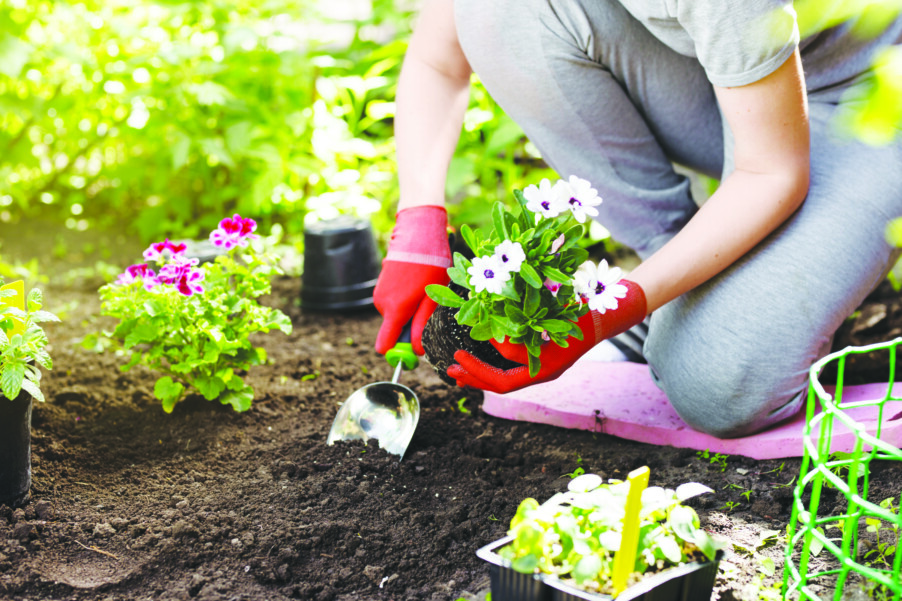
In this week’s issue, we offer tips for better gardening — or even just a better gardening mindset — from local experts. Whether this is your first spring putting seeds in the dirt or you’ve been tending to a yard full of plants for years, these experts have helpful advice.
Longtime gardener and gardening writer Henry Homeyer gives his advice for a successful vegetable garden this season. We asked some local garden club members for their tips for better gardening — want more from them? We also have a list of when and where to meet up with local garden clubs to get more hacks from longtime green thumbs. And whether you’re just starting with your gardening journey or expanding your garden every year, there’s no better place to get good advice and hardy plants than those clubs’ plant sales.
Ten tips for planning a successful garden
Plant what you love, plant what you know
By Henry Homeyer
listings@hippopress.com
Despite late snow storms that dumped deep snow over much of New England, spring is right around the corner. Let’s take a look at some keys to a successful year in the vegetable garden.
1. Don’t bite off more than you can chew. Yes, I grow about 40 tomato plants each year, but most folks don’t want to can or to put up many pounds in the freezer. A well-tended small garden is better than a huge weedy one. Select plants that you love, and just plant a few. Don’t crowd them. You don’t have to start everything from seed — most garden centers have plants for sale in six-packs, and a good selection of varieties.
2. Don’t use any chemicals in the garden. Mother Nature doesn’t, and you shouldn’t either. A chemical fertilizer is largely made of salts of nitrogen, phosphorus and potassium. Too much of these salts can kill the microorganisms that work with the roots of your plants to feed them. A bag of 10-10-10 is 70 percent filler, and the content of this portion is not specified — it’s a “trade secret.”
3. Compost is your best friend in the garden. Unlike chemical fertilizers, it provides most or all of the micronutrients needed by plants, things like magnesium, calcium and sulfur. And it contains living organisms, the bacteria and fungi that work with your plant roots to provide nutrients to your plants. Mycorrhizal fungi coat the roots of plants. They produce acids that dissolve minerals and share them with your plants. The plants pay the fungi with excess sugars they produce on sunny days.
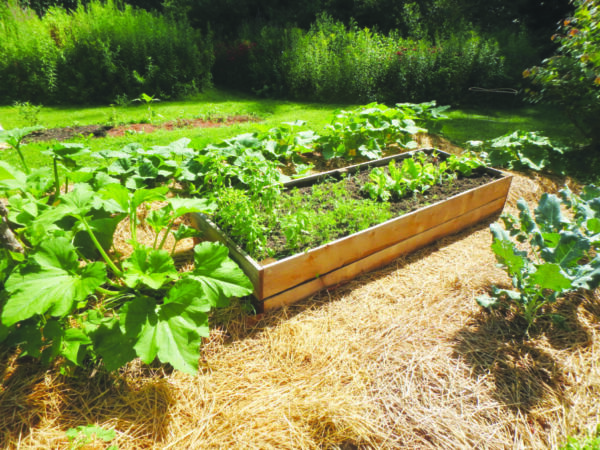
4. Build up mounds of soil and compost to create raised beds, or build wood-sided ones. You can hoe soil from the walkways into your raised beds, and maybe buy a pickup truck load of compost to mix in and enrich your soil. Most landscapers will deliver compost. Raised beds provide nice loose soil and discourage kids and dogs from walking through them. And in a rainy summer like the last one, raised beds drain well,
5. Enrich your soil with organic fertilizers like Pro-Gro and Plant Tone. They are made from things like ground peanut hulls, soybean meal, seaweed and oyster shells, with a few naturally occurring minerals. They are broken down in the soil and released slowly — just a small amount is water-soluble. They are a big help in poor soils, but don’t overdo these either.
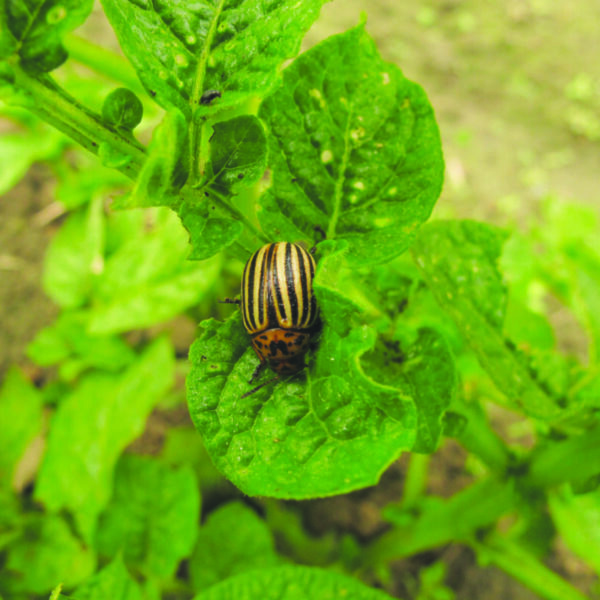
6. Make a habit of walking through your garden every day. Look for problems: Are your newly transplanted tomatoes looking limp? If so, they probably need water. Are there potato beetles? The Colorado potato bug can be a real problem. But if you watch for orange egg masses under the leaves and scrape them off, and pick larvae and beetles every day, you can control the problem in a home garden. One adult lays many eggs that can produce new adults in 30 days or so.
7. Don’t let weeds blossom and produce seeds. Ever. Make 10 minutes of weeding every day a part of your daily ritual, just like you brush your teeth every day. Use a good weeding tool — I really like the CobraHead Weeder because it easily gets under weeds and can be used to tease out long roots. Some weeds spread by root, so getting out entire roots is important. A scrap of root from many grasses will survive and produce new plants.
8. Water judiciously. Those flip-flop overhead watering devices may be good for a newly planted lawn, but they waste a lot of water in your vegetable garden. Water with watering can, or attach a watering wand to your hose. A good watering wand allows you to water around your plants, but not your walkways or empty places. Too busy to water, or off to the beach? Use a water timer and soaker hoses. They can do the job for you.
9. Why weed your walkways and around your tomatoes many times in a season if you can prevent it? I put down four to six layers of newspaper, then a layer of straw or mulch hay to keep it in place and help hold in moisture. Most weeds won’t grow though the newspaper, and earthworms will eat it up by the end of the season. Inks in newspapers now are soy-based, but I avoid the colored sections.
10. Don’t get discouraged, no matter what. Last summer we had lots of rain and not so much sunshine, and many vegetables did not perform well for me — or anybody. Your garden will do better in times of drought or persistent rain if the soil is rich in organic matter and biologically active. Regularly re-plant some things you know how to grow, perhaps lettuce, and rejoice in fresh salads. And remember, there is never a good reason to spray chemicals on your plants — after all, if it kills the Japanese beetles, it can’t be good for you. Good luck!
Henry eats something from his garden every day of the year by storing and freezing things from his not-so-small garden. Send him questions or comments by email at henry.homeyer@comast.net, by mail at PO Box 364, Cornish Flat, NH 03746. Please include SASE if you wish a response by mail. He will be writing just one article a month henceforth.
Plant sale season
Get greenery and advice
Looking for new perennials, annuals, herbs, vegetable seedlings and more? Head to a local plant sale, often held by local garden clubs. Not only can you find our-region-friendly plants; you can also find experts who can help you find success with that butterfly bush or early-producing tomato. And here’s a plant sale shopping tip: Show up early to have your pick of plants or show up near the end of the sale when remaining plants are often priced to move.
Know of a plant sale not mentioned here? Let us know at adiaz@hippopress.com.
• Amherst Garden Club will host its plant sale on Saturday, May 11, from 8:30 a.m. to 1 p.m. at Wilkins School (80 Boston Post Road in Amherst). According to their website, they will be highlighting native plants this year. They encourage participants to come and learn why these are important for our environment by visiting the many vendors who will be selling vegetables, herbs, hanging pots, houseplants, garden ornaments, used garden books and magazines, container pots and more, according to the same site. There will also be delicious home-baked items to eat or for gifting, according to the same site. See amherstgardenclub.org/plant_sale.
• Bedford NH Garden Club will hold its plant sale Saturday, May 18, from 11 a.m. to 2 p.m. at Bedford Village Common, 15 Bell Hill Road. See bedfordgardenclubnh.org.
• Candia Garden Club will hold its annual plant sale Saturday, May 18, from 9 a.m. to noon at Rockingham Lodge #76 (12 South Road in Candia). The sale will feature annuals, herbs and vegetables. Members dig up perennials from their yards. There is a raffle of garden-related and other items.
• The Friends of the Daland Memorial Library will hold a plant sale on Saturday, May 18, from 9 to 11:30 a.m. at Daland Memorial Library, 5 N. Main St. in Mont Vernon.
• The Derry Garden Club has a plant sale Saturday, June 1, from 9 a.m. to 2 p.m. at the Robert Frost Farm on Rockingham Road in Derry. “We’ll have anywhere from 1,200 to 1,500 plants to sell,” said Diana Hill, club president. Their club puts a lot of focus on perennials, she said, “but we also do have members that start annuals and herb and vegetable plants as well. We sell trees.” See derrygardenclub.org.
• The Colonial Garden Club of Hollis will hold its plant sale on Saturday, May 11, at Lawrence Barn Field on Depot Road from 9 a.m. to noon. The event is their annual fundraiser and provides the funds for their monthly educational programs, community contributions, charitable contributions, scholarships, town plantings, seasonal decorations and more, according to hollisgardenclub.org.
• The Friends of the East Kingston Public Library will hold a book, bake and plant sale on Saturday, May 18, from 10 a.m. to 2 p.m. at the East Kingston Public Library, 47 Maplevale Road in East Kingston. See eknh.org.
• The Goffstown Community Garden Club will hold its plant sale on Saturday, May 18, from 8 a.m. to noon at the Town Commons (at the corner of Main and Elm streets in Goffsotwn).
• Great Island Garden Club in New Castle will hold a plant sale on Saturday, May 18, from noon to 3 p.m. at New Castle Recreation Center, 301 Wentworth Road in New Castle. See greatislandgardenclub.org.
• Hooksett Garden Club plant sale will take place at the Hooksett Public Library, 31 Mount St. Mary’s Way in Hooksett, on Saturday, June 1, from 9 a.m. until noon, rain or shine. The event will feature annuals, perennials, vegetable plants, herbs, houseplants, a garden-related yard sale, and Ask A Master Gardener booth where you can find out all about the plants you are buying, a children’s table and raffle items from local businesses and crafters, according to hooksettnhgardenclub.org. Most plants are from Hooksett Garden Club members, the website said.
• Hopkinton Garden Club’s 2024 spring plant sale takes place on Saturday, May 11, between 8 a.m. and noon at the Hopkinton Town Common, where club members will sell a wide variety of annuals and perennials, many grown in their own gardens, and includes flowers, vegetables, herbs, native plants and hanging baskets, and cash, check and credit card payments will be accepted, according to their website. The spring plant sale is the Hopkinton Garden Club’s major annual fundraiser. See hopkintongardenclub.org.
• Massabesic Garden Club in Auburn will hold a plant sale on Saturday, May 18, from 8 a.m. to 3 p.m. at the Griffin Free Public Library (22 Hooksett Road in Auburn). See massabesicgc.org.
• The Merrimack Garden Club will hold its plant sale on Saturday, Aug. 3, beginning at 8 a.m. at Saint James United Methodist Church, 646 D.W. Highway in Merrimack. See merrimackgardenclub.org.
• The Milford Garden Club will hold its annual plant sale on Saturday, May 18, from 8:30 a.m. to noon at the Community House Lawn, 5 Union St. in Milford. The event will feature a variety of perennials as well as a raffle table, a bake table, other vendors and a performance by the MHS Jazz Band, according to milfordnhgardenclub.org.
• Mt. Kearsarge Indian Museum, 18 Highlawn Road in Warner, will hold its annual plant sale on Saturday, June 1, from 10 a.m. to 4 p.m. The New Hampshire Herbal Network will also hold its annual Herb and Garden Day in the museum’s Powwow Field. See indianmuseum.org.
• The Nashua NH Garden Club will hold its plant sale on Saturday, May 18, from 8 a.m. to noon at the Nashua Historical Society, 5 Abbott St. in Nashua.
• The Newfields Garden Club will hold its plant sale on Saturday, May 25, from 9 a.m. to noon at the Town Hall, 65 Main St. in Newfields. Find them on Facebook.
• Project Inspire 603, an organization that helps New Hampshire classrooms get school supplies, will hold a plant sale on Friday, May 17, and Saturday, May 18, from 8 a.m. to 4 p.m. at 88 Kelsey Mill Road in Northwood. Find them on Facebook.
• Tailgate Transport and Rescue, a dog rescue nonprofit, will hold its second annual plant sale on Saturday, June 1, from 9 a.m. to 2 p.m. in the Burger King parking lot at 737 D.W. Highway in Manchester.
• The Unitarian Universalist Church of Manchester (669 Union St. in Manchester) will hold its annual plant sale on Saturday, May 18, from 8 a.m. to 3 p.m.
More expert advice
Garden club members weigh in
By John Fladd & Zachary Lewis
news@hippopress.com
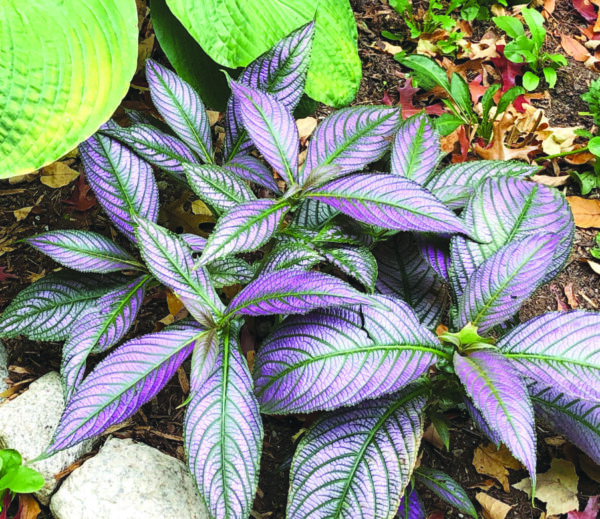
“Don’t know who needs to hear this … but, you’re a good gardener. The plant should have tried harder.” — a post on the Pelham Garden Group Facebook page.
Or, as a Canterbury Garden Club presentation put it, “Don’t sweat it! Whatever happens in the garden … just don’t sweat it!”
For more advice on how to approach your garden — from general philosophy to specific plant tips — we asked area garden club members to weigh in.
From the Bedford NH Garden Club
Jeanene Procopis, who handles publicity for the Bedford Garden Club, said, “In our garden club we concentrate on perennials, planting perennials, and we try to plant native plants, plants that are native to this region rather than plants that wouldn’t be acclimated to our conditions here, so we try to push those native plants.”
And you can plant what’s pretty, or easy.
“We all enjoy annuals for their pop of color during the growing season,” Procopis said. “Perennials come back every year and they can be divided. They can be shared with friends or neighbors. They’re kind of a workhorse of a plant but they can provide a lot of beauty and enjoyment to a garden.”
When asked for garden tips, she said, “I’m not a master gardener…. Daylilies usually will grow in lots of conditions. They’re an extremely hearty plant but they need to be divided after a while because they will start growing within the pot they are planted in and start crowding together…. A lot of people have daylilies in their yard because they come back every year and they’re very low-maintenance. In the fall you need to cut back the dead leaves to get them ready for winter but in the spring they push up their leaves. Some are early bloomers, some are a little later, so they’re just a really hearty plant.”
As for her views on gardening overall: “For most people it’s a fun hobby. You learn by trial and error sometimes. You might have the wrong plant in the wrong place, but it’s a hobby of discovery, and for most people it’s extremely relaxing and rewarding because you get to see something grow and it’s kind of fun and beautiful.”
From the Concord Garden Club
Gena Moses, president of the Concord Garden Club, encourages gardeners to “have less lawn and plant more areas that are friendly to native species, that are more friendly to animals … plant for wildlife value, reduce your nighttime light pollution. Don’t use fertilizers or sprays.”
From the Derry Garden Club
Diana Hill, president of Derry Garden Club, responded to a request for a tip on gardening by saying, “You mean 2,000 gardening tips.” After narrowing that number down, the first thing Hill spoke about was jumping worms and how to mitigate them. These are “horrible, invasive worms … and they eat the understory of our forests, and we don’t want to spread the jumping worm, so when we get plants in the community … we bare-root the plants, we take all the dirt off, we wash them and put them in clean soil so we’re not spreading these worms…. We have these huge parties where we wash [roots] and get together … have lunch and drink wine and just scrub pots clean so we know we’re not spreading any invasive species.”
Derry Garden Club is also into urban pollinator gardens.
“Don’t clean up your gardens too early in the spring.” Hill said. “The pollinators can’t survive under the temperature of 50 degrees at night and the pollinators and bees burrow in leaf litter and dead plant litter, and if you clean it up too soon the bees and pollinators will have no place to go at night … so don’t clean up your gardens until it’s 50 degrees in the day and the night.”
Her final tip was about the perennial flowering plant anise hyssop; these, she said, “will feed the pollinators with pollen, of course, and their nectar, but birds also eat the seed heads at the end of the season, so it becomes an empty tube for the bees to live in, in the wintertime. So it hits all three seasons. Some varieties are native to New Hampshire. They propagate very easily, they self-seed, which is nice, you can fill in your garden quickly and you can also transplant them to other areas of your yard and they are full-sun and drought tolerant, so they’re basically a hands-off plant.”
From the Epping Garden Club
Eunice Miller mentioned one of her favorite tips is that so many people buy something that isn’t the right fit, and that it is important to get the right plant for the right location. If it needs sun, put it where the plant will get sun, and so on.
From the Hooksett Garden Club
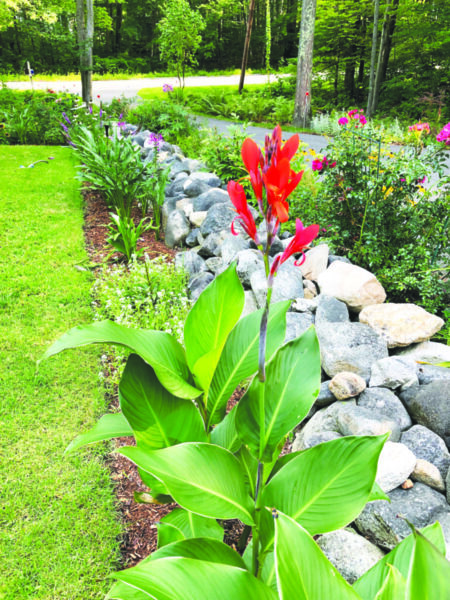
Carolyn Taylor, publicity chair for the Hooksett Garden Club, offered a gardening tip for a tropical plant that can live in New Hampshire: “A few years ago my brother gave me some canna bulbs, rhizomes actually, and I got hooked. Although they are tropical plants not native to New England you see them in large planters in front of stores, restaurants, etc. … I put them in the ground as soon as the soil has reached 50 degrees and no danger of frost, usually in May.”
They need space because the bulbs will multiply, and “each plant should have three to five ‘eyes’ planted facing up.” Canna bulbs love the sun and water. “They pretty much need full sun because they are tropical and they need quite a bit of water,” Taylor said. “They take about three weeks to come up … and once they come up, will bloom all summer into the fall. You can keep them blooming by cutting off dead flowers.”
Birds are big, if tiny, fans of the plant, she said. “They’re very attractive to hummingbirds. They really love the fact that they’re open, they can get into them.”
From the Litchfield NH Garden & Plant Enthusiasts (a Facebook group)
“Mulch, mulch, mulch. And weed right after the rain. Start small and then expand. When in doubt, ask! There are lots of people who have years of local experience. AND look around. See what other people in your community are growing and when. Then you will know what does well in your area,” posted Stacy Lamountain.
“Start small and get to know your plants. When you see and experiment with them in each stage, you can better understand and predict what techniques they might like and what they might not. Then you can start to recognize their sisters and cousins and predict what they might like too. And finally, because you’ve gotten to know them well, it isn’t quite work anymore to care for them. It’s more like visiting a friend,” posted Kate Stevens.
From the Manchester NH Garden Club
“Spending some time in the fall putting your garden to bed will make your job much easier in the following spring.” — Fiona McKenna
From the Merrimack Garden Club
“If you start plants from seed indoors, harden them off by leaving them outside during the day and bringing them back inside at night for a week. This will help prevent the seedlings from getting shocked when they get in the ground.” — Jennifer Mayer-Cox
From the Nashua Garden Club
“Stop the back-breaking work of adding mulch to your gardens each spring. Instead, use ground covers to block out weeds and add attractive flowers to the bare spots in your perennial beds.” — Terry Robinson Lemack
“In the fall, when I bring in plants that have spent the summer outside, I am very careful to hose off the leaves and roots in hopes that I don’t bring an infestation of insects into my house.” — Joan Bonnette
From the Salem Friendship and Gardening Club
“Plant native flowering plants that will feed pollinators. Please don’t spray your dandelions!” — Lorie Ball
From the Tailgate Transport Rescue, which is holding its second annual plant sale
“When you buy a new plant, find out what it needs, so you can plant it in your yard where it will get the right amount of sunlight.” — Jennifer Abericio
From the Unitarian Universalist Church in Manchester, which holds an annual plant sale
“Dig up plants for transplanting in the early spring, just as they are starting to bud. When planting transplants, water the hole thoroughly before burying the new plant, then again, after it’s been buried; this will give the roots a chance to have contact with moist soil.” — Jean Stfanik
Fellow gardeners
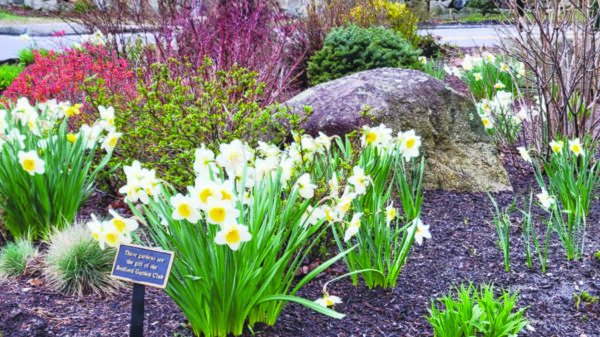
Here are some of the area garden clubs. Know of one not mentioned here? Let us know at adiaz@hippopress.com.
• Amherst Garden Club meets monthly from September through June at the Messiah Lutheran Church (303 Route 101 in Amherst) on the first Thursday of the month except in September, when they meet the first Thursday after Labor Day. The meetings typically include a featured speaker, according to their website, amherstgardenclub.org, with their business meetings beginning at 9:15 a.m. and followed by a featured speaker at 10:30 a.m.
• The Bow Garden Club typically meets on the second Monday of the months of April, May, June, September, October and November while a special “Progressive Dinner & Garden Tour” is held in mid-July for members and their guests, according to bowgardenclub.org. There is no August meeting and the club’s annual business meeting and holiday brunch is held on the second Saturday of December, according to the same website.
• Candia Garden Club meetings are held the fourth Wednesday of each month at 6 p.m. in the meeting room of the Smyth Public Library (194 High St. in Candia)
• Canterbury NH Garden Club meets every other month beginning in October and alternating weekday and Saturday mornings to accommodate a variety of schedules. Frequent communications are maintained through their email list. Contact canterburynhgardenclub@gmail.com.
• The Concord Garden Club holds monthly meetings, typically on Thursdays, from September through May plus the CGC annual luncheon in early May. “We do member-focused events all year long,” said Gena Moses, President of the Concord Garden Club. One event that is open to the public happens “in conjunction with Concord Parks and Rec department called Habitat at your Home which is to try to help residents learn how to plant more sustainable gardens at their homes.” This event will be held at City Wide Community Center at 14 Canterbury Road in Concord on Wednesday, May 1, from 6 to 8 p.m. with tickets ranging from $10 to $20 and participants will need to register to attend. See concordgardenclubnh.com.
• Derry Garden Club meets the first Friday of every month with most of the meetings held at the Boys & Girls Club (40 E. Derry Road in Derry); get in touch through their website, derrygardenclub.org, since they are not able to use the space in the summer months.
• Dunbarton Garden Club will celebrate the 20-year anniversary of the Daffodils of Dunbarton project with five different daffodil packages: General John Stark Blend, Molly Stark Mix, Caleb’s Courage, Scipio Page Blend and Dunn Cottage Blend, with sale information to be updated soon, according to dunbartongardenclub.org. The club meets once a month from April through December, typically on the second Monday of the month at the library/old town hall (1004 School St.) on the second floor, according to the website.
• The Epping Garden Club has an annual pansy fundraiser in the spring after the Memorial Day parade, a pink petunia sale around the first week of June, and a Fall Color sale with mums, asters and ornamental cabbages from Wentworth Greenhouses in Rollinsford at the end of August, for which the Epping Garden Club will take pre-paid orders. Email eppinggardenclub@gmail.com.
• The Goffstown Garden Club meets March through December on the first Thursdays at the Odd Fellows Lodge, 42 Mountain Road, at 6:30 p.m. It’s a community garden club with plots for residents. Find them on Facebook.
• The Colonial Garden Club of Hollis holds regular meetings on the first Tuesday of October, November, December, February, March, April and May at the Lawrence Barn at 9 a.m., according to hollisgardenclub.org.
• The Green Team of Londonderry meets on the third Thursday of each month from 6 to 7:45 p.m. at the Leach Public Library, 276 Mammoth Road in Londonderry. Find them on Facebook.
• The Hooksett Garden Club holds monthly meetings at the Hooksett Public Library (31 Mount Saint Mary’s Way in Hooksett) on the fourth Wednesday of the month, February through October, with social time from 6 to 6:30 p.m., the meeting (often with a program) starting at 6:30 p.m. and then a business meeting at 7:30 p.m. See hooksettnhgardenclub.org.
• The Hopkinton Garden Club meets on the third Tuesday of each month, September through May, according to hopkintongardenclub.org.
• The Kingston Garden Club meets in person on the third Thursday of the month at 6:30 p.m. at Kingston Community Library, 2 Library Lane in Kingston. Find them on Facebook.
• The Loudon Gardeners Club meets on the third Tuesday of each month, 6:30 to 7:30 p.m. in the Loudon Community Building, 29 S. Village Road in Loudon, according to the Loudon Town Calendar. Find them on Facebook.
• The Manchester NH Garden Club meets one Thursday a month (see manchesternhgardenclub.weebly.com for the upcoming dates) at Girls at Work, 200 Bedford St. in Manchester.
• The Massabesic Garden Club in Auburn has monthly meetings on its schedule at massabesicgc.org, where you can find more about membership. The next meeting is Wednesday, May 8, at 6 p.m. and wraps up the 2023/2024 season.
• The Merrimack Garden Club meets on the fourth Tuesday of every month at 6:30 p.m. at the St. James United Methodist Church, 646 D.W. Highway in Merrimack. See merrimackgardenclub.org.
• The Milford Garden Club meets on the second Monday of every month at 10:30 a.m. at the First Congregational Church Parish House, 10 Union St. in Milford. See milfordnhgardenclub.org.
• The Nashua Garden Club meets the first Wednesday each month from 7 to 9 p.m. at the First Baptist Church, 121 Manchester St. in Nashua and via Zoom. See sites.google.com/view/nashuanhgardenclub.
• The Newfields Garden Club meets on the first Wednesday of each month at 7 p.m. at the Paul Memorial Library, 76 Main St. in Newfields. Find them on Facebook.
• Salem Friendship and Gardening Club meets on the third Monday of each month from 12:30 to 1:30 p.m. at the Kelley Library, 234 Main St. in Salem. See salemfriendshipandgardenclub.org.
• Weare Garden Club meets the first Tuesday of the month at 7 p.m. at the Hand in Hand Senior Center and Thrift Shop, 33 N. Stark Highway in Weare. Find them on Facebook.
• Windham Garden Club meets on the third Thursday of the month at 7 p.m. at Windham Town Hall, 4 N. Lowell Road in Windham. See windhamgardenclub.org.
Garden tours
Get ideas from other people’s gardens at area garden tours. Know of other tours? Let us know at adiaz@hippopress.com.
• See the Secret Gardens of New London in a tour of six gardens, held by the New London Garden Club on Thursday, June 20, from 9 a.m.to 3 p.m. Tickets cost $25 in advance; see newlondongardenclub.org.
• The 35th annual Pocket Gardens of Portsmouth Tour will take place Friday, June 21, from 5 to 8 p.m. and Saturday, June 22, from 10 a.m. to 4 p.m. The self-guided tour of eight private gardens and one public garden in the Little Harbor neighborhood will also include music, artists and more, according to southchurch-uu.org, the website of the South Church Unitarian Universalist Congregation, which is holding the event. Tickets cost $25 in advance and $30 on the day if available.
• The Palace Theatre will hold its annual Garden Tour of nine gardens (plus other stops) around Manchester on Saturday, June 22, 10 a.m. to 3 p.m. Tickets cost $25 in advance and $30 on the day. See palacetheatre.org.
• The Bedford Garden Club will hold a “Follow the Blooms” garden tour of seven gardens in Bedford on Saturday, June 29, from 10 a.m. to 3 p.m. Tickets cost $25 when purchased in advance (see bedfordgardenclubnh.org) and $30 when purchased on the day from 9:30 a.m. to 1 p.m. at the Bedford Village Common at 15 Bell Hill Road.