
The Phoenix to offer recovery support, sober activities
The Phoenix is a nonprofit that cultivates free, organized sober activities within a supportive community for people in recovery. SRecently it announced plans to bring its programs to New Hampshire, starting this summer. The Phoenix New England Regional Director Sydney Durand talked about the upcoming expansion.
What kinds of programs does The Phoenix offer for people in recovery?
The Phoenix is really focused on this message of hope, with the idea that when you’re sober and in recovery your life should get so much bigger. … Our programs are sober active events, like yoga, rock climbing, strength-based fitness, surfing … that people can do actively together outdoors and in public spaces.
What sets The Phoenix apart from other activity-based recovery programs?
Accessibility and inclusivity; we eliminate as many barriers as possible for people in recovery to access a safe, supportive, healing environment. Our programs are completely free and open to anyone [who has maintained] at least 48 hours of continuous sobriety. … Another huge part of what we do is stigma reduction. We have members who are really proud about their recovery and talk openly about their past substance use and their sobriety, so we’re really trying to eliminate any shame people may have.
How has The Phoenix adapted its programs for a pandemic world?
In March 2020 we launched a virtual platform. … The great thing about that was we were able to connect with a lot of people who [lived in] parts of the country where we didn’t [offer] programs, so people from New Hampshire have been able to [participate in] our virtual programming. We now have more than nine hours of free programming every day that anyone can join virtually. … We’ve created prerecorded content [too], like workout videos, so people can … see what Phoenix is like [before joining a live program], because it can be pretty intimidating to come into a group of sober people, even virtually, especially when you’re new to recovery. … We’ve been able to start doing in-person events again, but now we also have the virtual and on-demand [programs] that people can join at any time.
What led to The Phoenix’s upcoming expansion to New Hampshire?
A combination of the need — New Hampshire is one of the hardest-hit per-capita states with the opioid crisis — and our partnerships. We have some partners … who live in New Hampshire who also see the need in the state … who have supported this expansion financially.
What programs will The Phoenix offer in New Hampshire initially?
A lot of that is to be determined … as we build relationships and form connections. We want our programming to be informed by the community. … Are there areas where there are sober houses or treatment centers, but not a lot of activities around? … We do know that we … want to do a lot of activities outdoors and use the natural resources that are so abundant in New Hampshire.
How will The Phoenix tailor these programs to meet New Hampshire’s unique needs?
We’re looking, first, at Manchester and Nashua and other communities with higher population densities, because they’ve been hit particularly hard with folks experiencing substance use disorder. Our strategy is to start programs in those communities, where we can offer support to [the largest number of people], as soon as possible. At the same time, we know there are rural parts of New Hampshire that need support, too, so we are also working on making Phoenix programs accessible to them … by getting them connected through virtual options … and by getting volunteers trained throughout the state.
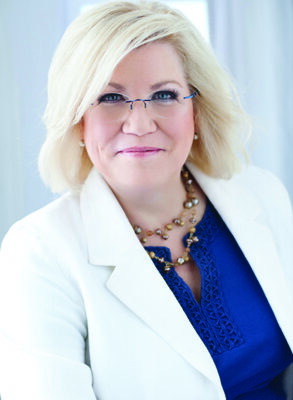
Featured photo: Sydney Durand