Podcast highlights substance abuse prevention
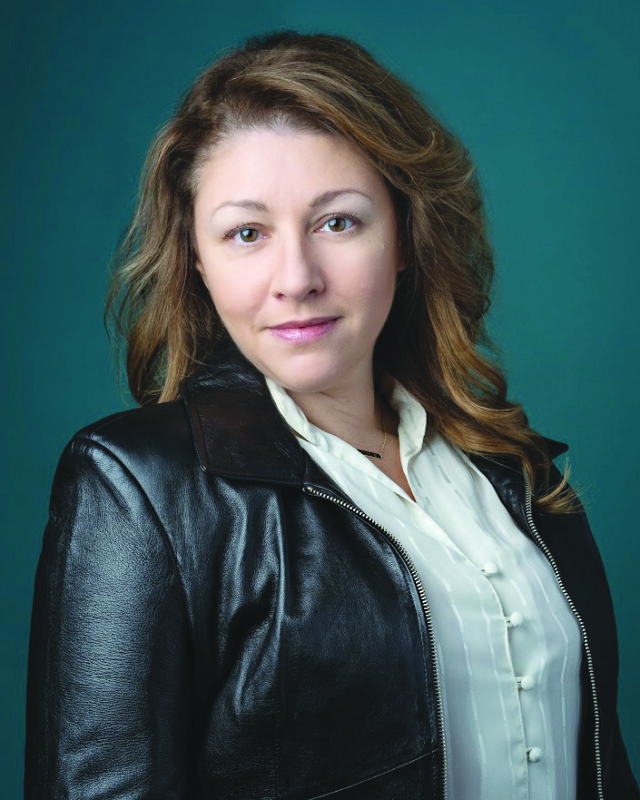
Christin D’Ovidio is the host of The Power of Prevention, a new podcast series produced by The Partnership@drugFreeNH that explores various facets of substance abuse prevention in New Hampshire and ways in which schools, families and health professionals can bolster prevention efforts. The series is available on Stitcher, Apple Podcasts, Spotify and Google Podcasts.
What is The Power of Prevention about?
The Partnership is an organizing force behind and [in cooperation] with organizations and individuals throughout the state working to prevent substance misuse and other [harmful] mental and behavioral health issues that can be prevented if prevention actions are put into place early on in people’s lives. The podcast talks with these organizations and individuals so that we can learn about how they work with families and within their communities to stop unwanted things from happening. Each episode goes deep into the topic or area that [the featured guest] is working in.
Why was it created?
During the pandemic, people and children [experienced] a lot of additional stressors; the safety nets they had and the ways they were functioning before were put under a huge strain. We know that substance misuse increased during that time. We saw a need to fill, to share what is happening out there with prevention so that [those efforts] can spread; prevention organizations can grow; more prevention organizations [can be established]; and more people can know about how to access prevention resources, because it’s not always evident what resources are available, and sometimes, just knowing that the resources are there is all it takes for people to get help.
How did you end up hosting the podcast?
I have a Master of Fine Arts in Acting and Production, and I was one of the people [The Partnership] asked to do it. That was super exciting for me, because I really enjoy learning about these prevention programs and getting to talk in depth with people about what they’re doing and help them share what they’re doing.
How do you define prevention in the podcast?
Prevention is an evidence-based set of messages, programs and services that lay a foundation for people so that when they encounter adversity they have the skills, support and knowledge to move past it in a positive way rather than turning to coping mechanisms that could harm their health.
Who is your target audience?
Our audience is primarily people working in prevention, so that they can [connect with] others … and families, caregivers, schools and other people who work with children, youth and young adults, because they play a very important role in prevention.
How many episodes have you done so far, and what are they about?
We’ve produced and released two episodes so far. The first one is with Kim Haley, who is a coordinator for one of the School Assistance Programs in the state, and she talks about what SAP programs are and how they provide support for families and schools. The second one is with Traci Fowler, who is a senior programs officer at the New Hampshire Charitable Foundation and has been working in the prevention field and [serving as] a prevention advocate for a very long time. She talks about how nonprofits in the state and the prevention community came together during the pandemic. … We’ve done a few other interviews that are still in the editing [process]. There’s one about self-managing chronic pain, because chronic pain, if unmanaged, can lead to misuse of prescribed medication … and depression. I also talked with two women working in prevention for young adults. There are a lot of changes in life on that bridge between high school, college and the workforce, and sometimes those young adults don’t know where [to access] the support that they need.
How many episodes do you have planned?
We have 27 episodes planned … and our intention is to release them monthly, though we’d like to release two a month, if we can. … Topics [will include] supporting families with skills and resources [in order to] prevent child abuse; the juvenile court diversion program … which [works to] keep [juveniles] who have committed a non-violent offense out of the system … so that they don’t end up with a mark on their record that they can’t get rid of that could take away from their future; vaping prevention; youth mental health efforts and social-emotional learning in schools; and how issues of equity, diversity and inclusion overlap with substance abuse and prevention.
Featured photo: Christin D’Ovidio. Courtesy photo.