It’s time for Taco Tour 2024
When the Greater Manchester Chamber organized its first outing with the Taco Tour last year, there was a steep learning curve, said Cole Riel, the Director of Taco Tour Manchester.
“Last year, we were able to get a handle on logistics, like line control and helping restaurants put out product,” he said. “It’s not what we’re used to, serving 20,000 taco-loving folks.”
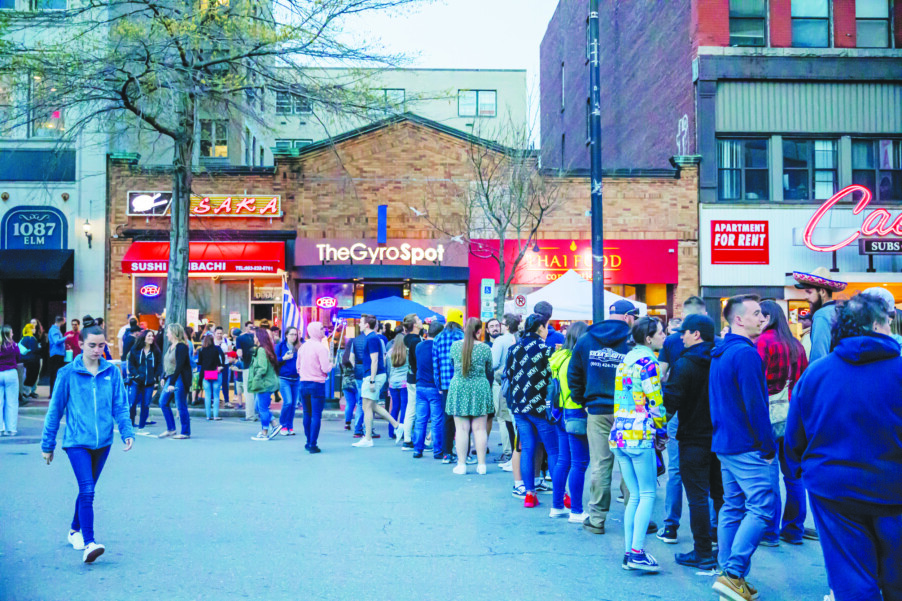
This year’s Taco Tour on Thursday, May 2, from 4 to 8 p.m., in downtown Manchester promises to be the biggest yet. Started in 2011 as a way to draw attention to Manchester’s vibrant food scene, the Tour has grown each year, drawing in more and more local restaurants to participate, and increasingly larger crowds to taste their tacos or Mexican-themed dishes and vote on their favorites. The restaurant with the winning taco will win bragging rights, a trophy and $1,000 to donate to a charity of its choice. Originally conceived and organized by the Hippo, the Tour was run by Intown Manchester in 2019, then took a Covid hiatus, returning last year organized by the Greater Manchester Chamber.
According to Riel, this year’s Taco Tour will include more than just tacos.
“There will be a concert stage at the corner of Elm and Bridge streets,” Riel said. “Fun acts like the ones who will be performing just add liveliness to the event.” The acts will include Harrison Goodell (harrisongoodellmusic.com) at 4 p.m., Cody James and Joe Delault (thecodyjamesgang.com) at 5 p.m., and deSoL (desol-music.com) at 6 p.m.
According to Steve Freedman of radio station 92.5 The River, which is helping sponsor this year’s live performances, the performers are particularly well-suited for Taco Tour.
“We [The River] are proud to break new artists and promote local artists,” Freedman said. “The first two acts — Harrison Goodell, Cody James and Joe Deleault — are ‘homegrown,’ and the main act, deSoL, is a Latin rock band that we at The River have supported for over 10 years. ”
There will be other fun events, such as a pet watering station and a doggie costume contest run by the Friends of the Manchester Animal Shelter, and a Stonyfield Yogurt Family Zone at the Manchester YMCA (30 Mechanic St.).
This will be the second year that The Potato Concept has participated in Taco Tour, though the first year from their new brick-and-mortar location, on Hanover Street.
“We’re pretty proud,” said co-owner Brandon Rainer. “This event is the town jewel for Manchester.” The Potato Concept’s offering in this year’s Tour will be a “Potaco,” a twice-baked potato skin with seasoned ground beef, cheese, lettuce, tomato and sour cream. There will also be a “Vegan Potaco” with a black-bean salad filling.
900 Degrees Pizzeria (50 Dow St.) will serve chicken tacos with a house-made fresh pico de gallo.
“We love this event,” said 900 Degrees General Manager Dan Gove. “It’s a lot of fun; it gives us a chance to give people something completely different than we normally do.” He and his staff are preparing 1,000 tacos.
The overall mission of Taco Tour Manchester has remained the same since 2011: to make the public aware of the depth and diversity of Manchester’s restaurant scene.
“We want to provide an awesome, well-rounded experience for families and restaurant enthusiasts,” Riel said. “We want to remind them of restaurants they may have forgotten about since the last Tour. They will taste [our food] and make plans to come back shortly after.”
The tacos
More than 70 local restaurants are participating in this year’s Taco Tour. See the map for their locations. Here are their scheduled offerings:
815 Cocktails & Provisions – BBQChicken, Alabama white sauce, marinated collard greens, vidalia onions, lime
900 Degrees – chicken tacos
Alas De Frida – Birria Taco
Alley Cat Pizza – “El Gato” pizza folded with taco toppings
Annapurna – Steamed chicken and fried momo (dumplings) taco with an authentic Nepali sauce, and vegetable or pork steamed or fried momo taco with authentic Nepali sauce
Antojitos Colombianos – chicken, pork and vegetarian Tacos
Bad Brgr – “Smash Burger Taco” and a chicken taco
Barcode Lounge & Grill – “Mac & Cheese Tacos” with pulled pork, Jerk Chicken with pickles, as well as dessert tacos
Ben and Jerry’s – Mexicone Dream Ice Cream Nachos (Americone Dream ice cream, waffle cone “chips,” caramel drizzle)
bluAqua Restrobar – “The Jaws Taco” with fresh shark
Boards and Brews – “Garlic Parmesan Ranch Tacos” with chicken tenders and fries, and sweet potato fry tacos
Buba Noodle Bar – “Bahn Mi Taco” with lemongrass beef, Asian pickles, cucumber, cilantro, umami sauce
Campo Enoteca – Polpetti (Meatball) taco
Cat Alley Cafe – Breakfast Taco with scrambled eggs, chorizo, potatoes, and queso fresco
Consuelo’s Taqueria – “Taco’n Madre” with sauteed pork served on a corn tortilla topped with green tomatillo, guacamole salsa with onions and cilantro
DeadProof Pizza Co. @ Bonfire – Street birria taco and vegan maple gochujang cauliflower taco
Diz’s Cafe – “Diz’s Magic Taco,” a beef taco with DizSpinaca, topped with shredded lettuce and pico de gallo
DoubleTree by Hilton Manchester Downtown – birria beef taco
El Rincon – “Taco Borracho,” with carnitas, pork, and beef with caramelized onion, jalapeno, and chorizo
Firefly Bistro & Bar – “Cheesy Chicken Taco” with seasoned chicken, cheddar cheese, chipotle crema, and crunchy tortilla chips in a soft flour tortilla
Granite State Candy Shoppe – “Chocolate Taco Crunch Mix,” with chocolate-drizzled waffle cone pieces with cinnamon and chocolate
Granite YMCA (The YMCA of Downtown Manchester) – Sugar cookie taco with strawberry and whipped cream filling, oreo crumble, and orange and green sprinkles
Hooked + Ignite – fried fish tacos
Industry East – Peanut chicken satay tacos, with confit chicken, Thai spiced peanut sauce, scallions, and sesame
Keys Piano Bar & Grill – Jerk chicken soft taco with cabbage slaw and ginger, or a vegan option with grilled vegetables
Kisaki – Sushi taco, with spicy crab and lettuce with tempura seaweed skin
Margarita’s Manchester -–soft flour tortilla with carnitas, garlic crema, picked radishes and fresh cilantro
Maya’s – jerk chicken & jerk beef tacos
Manchester Fire Department Central Station – smoked pork taco with cilantro lime coleslaw and a special hot sauce
Osaka – Spicy Crab with crunch and avocado wrapped with seaweed (hand rolled) and Spicy Tuna with crunch and chopped raw tuna, wrapped with seaweed (also hand rolled)
Patz Deli – “Mexican Chicken Salad” with chicken, carrots, peas, corn, mayo, sour cream, crushed Fritos, Sriracha, in a soft flour tortilla
Pho Golden Bowl – “Pho Taco,” with beef, sour carrots, rice noodles and basil
Piccola Italia Ristorante – Chicken Parmigiana with a chicken cutlet, sauce and mozzarella, and a Chicken Caesar Taco with grilled chicken, romaine lettuce, caesar dressing, Parmigiano flakes and croutons, also a dessert Cannoli Taco
Queen City Cupcakes – Churro Cupcake
Rare Breed Coffee – Iced Horchata Cortado and Caliente Hot Chocolate
Shopper’s Pub – “American Taco” with tender broiled pork in a toasted shell with sweet pickle relish and a blend of spices
Soho Bistro & Lounge – chicken, beef, steak or scallop tacos
Stashbox – biscuit & gravy tacos
Strange Brew Tavern – whiskey-marinated shredded chicken in an ancho pepper-infused crema
Sub Zero Nitrogen Ice Cream – Ice cream tacos and nachos with waffle bowls as tacos and nacho shells
Taj India – Chicken Tikka Taco
Thai Food Connection – a wonton shell with chicken and Thai sauce
The Farm Bar and Grille – BBQ pulled pork, cheddar cheese, coleslaw, in a flour tortilla
The HopKnot – “Walking Taco” with jalepeňo honey, beer cheese, pico de gallo, and beans
The Patio @ Hilton Garden Inn Manchester – “PB&J Taco” with blueberry tarragon jam, peanut chicken, sour cream & onion potato chips, and Sriracha aioli
The Pint Publik House – Soft flour tortilla filled with Jamaican curried chicken, cheddar-jack cheese and shredded lettuce
The Potato Concept – “Potaco” with ground beef, cheddar, lettuce, tomato and sour cream
The Stoned Wall Bar & Grille – A jerked chicken and kiwi salsa taco
Thirsty Moose Taphouse – “Beef & Cheese Taco” with pico de gallo and sour cream
Thousand Crane – “Teriyaki Chicken Taco”
To Share Brewing Co. – “The Elvis” with banana slices, honey drizzle and optional bacon, on a flour tortilla
TACO TOUR
When: Thursday, May 2, from 4 to 8 p.m.
Where: downtown Manchester plus a few spots outside downtown
Cost: $3 per taco, cash only
Voting: tacotourmanchester.com/voting
The Official Taco Tour 2024 Map, available on the Taco Tour website (tacotourmanchester.com/map), includes information about locations of participating restaurants, ATM’s, portable toilets, water stations and more.
Featured Photo: Previous Taco Tour. Courtesy photo.