Made in NH Expo offers foodie fun and more
By John Fladd
jfladd@hippopress.com
When it comes to naming items produced in the Granite State, maple syrup might be the one and only thing that comes to mind. So prepare to have your mind blown at the Made in NH Expo from Friday, April 7, through Sunday, April 9, at the DoubleTree by Hilton Manchester Downtown Hotel, 700 Elm St. in Manchester. According to the Business NH magazine website, the Made In NH “Try It & Buy It” Expo, now in its 27th year, will offer attendees the opportunity to discover a plethora of unique products available right here in New Hampshire.
“There will be nearly 100 vendors this year,” said Kelly Keating, Event Director for Granite Media Group, the producer of the event, in an email. “We have woodworkers, furniture makers, chocolatiers, bakers, jewelers, homemade jams and jellies, outdoor clothing, T-shirts, authors, including two children’s authors, knitters, metal work, photographers, a lavender farm, potters, all-natural face and body treatments, women’s specialty clothing, children’s clothing, candles, tide clocks, fudge, custom cowboy boots, hand-tied fishing lures and more. We also have The Libation Station, an area where attendees 21 and over with ID can sample New Hampshire-made wine, beer, mead and spirits.”
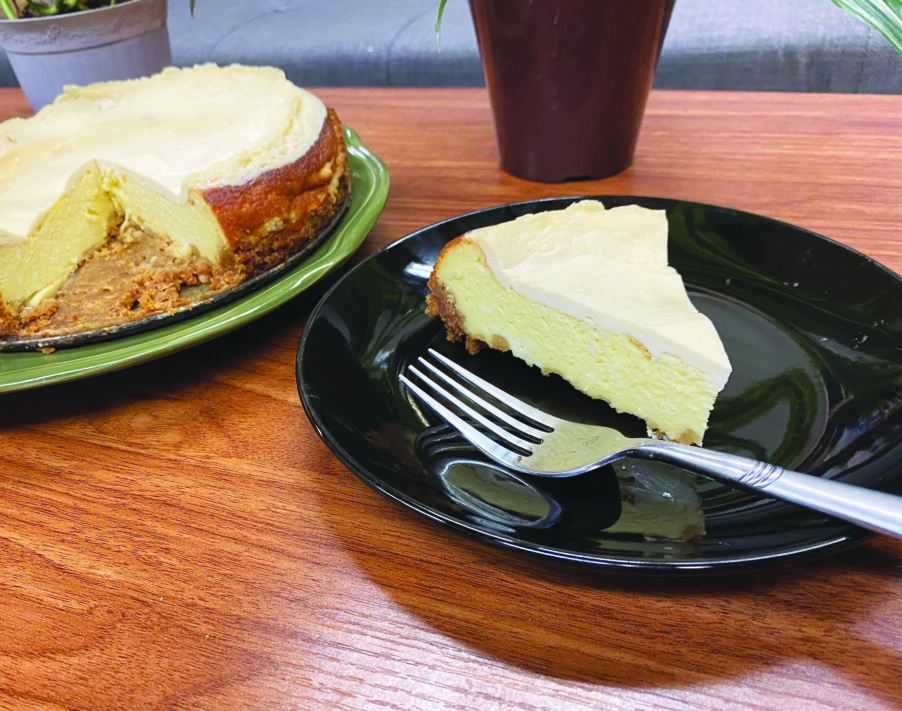
For foodies, the Made in NH Expo will offer “lots of mouth-watering treats on hand to sample. Chocolate, baklava, spanakopita, spices and sauces, coffee, cheesecake, whoopie pies, cookies, cake cups, honey, pot pies and, new this year, an ostrich meat farmer,” Keating said.
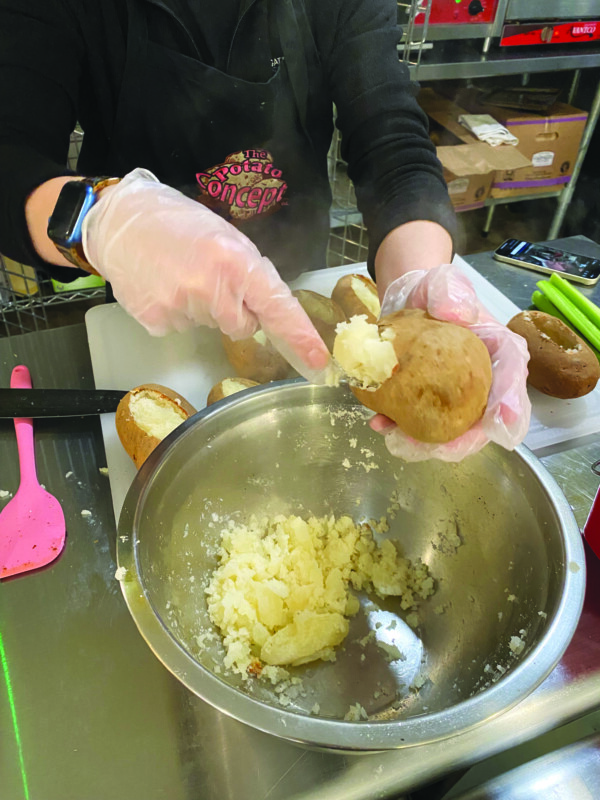
According to the Made in NH Expo Facebook page, this year’s food vendors will include Twins 4 Life Creations, featuring all-natural New Hampshire blueberry sauce and jellies made from herbal tea; Lemongrass Restaurant and Sake Bar by Chef Ooh, bringing seasonings, dressings and sauces that give food an authentic Asian flavor; Granite State Candy Shoppe, offering gourmet chocolates and super-premium homemade ice cream; The Pot Pie Bar; Van Otis Chocolate; Fabrizia Lemon Baking Co.; The Mill Fudge Factory; Thistle’s All Natural, specializing in handmade zucchini salsas; Dandido Hot Sauce; Granite State Freeze Dried Candy; Holy Moly Snacks, with thin crispy beef chips in multiple flavors and a gluten-free option; Maggie’s Munchies, offering old-fashioned New England desserts like whoopie pies; Choo-Choo’s Cheesecakes; Youla’s Bakery, bringing traditional Greek desserts and delicacies; and many more.
For those who have never attended a Made in NH event, Keating offers enthusiastic encouragement. “Coming to the Expo is a unique way to see all of the variety of unique locally made products they may not have realized are made right in their backyard,” she said. “They’ll find artisanal food and beverages, handmade crafts, home goods and more, and they can talk with the makers. They can sample food and beverages made in New Hampshire, allowing them to experience the flavors of the state. Attendees can learn more about local businesses and products made in New Hampshire, gaining a great appreciation for the local economy and craftsmanship, and support sustainability at the same time.”
For kids, Keating said, there will be a balloon artist and face painter. There will be rescue animals at the event for people to meet, and music to give a festive atmosphere. In addition, Keating said, “There will be … a full-sized airplane on display, built by New Hampshire students through a program with the Aviation Museum of New Hampshire.“
On a personal note, Keating enjoys discovering new vendors and products she may not have known about before. “It’s nice to play a role in supporting small businesses in the state and seeing the creativity and talents of New Hampshire artisans,” she said. “The sense of appreciation for all things made locally makes the Made in NH Expo a fun experience.”
Made in NH Expo
When: Friday, April 5, 1 to 7 p.m.; Saturday, April 6, 10 a.m. to 5 p.m.; Sunday, April 7, 10 a.m. to 4 p.m.
Where: DoubleTree by Hilton Manchester Downtown Hotel, 700 Elm St., Manchester
Cost: adults $8, seniors (65+) $7, children (under 14) free; tickets (available online or at the door) valid for one-day admission to the Expo.
More: www.madeinnhexpo.com
Featured Photo: Past Year. Courtesy photo.