
Local Eateries talk about how they’re faring,
Plus a pairing of restaurants and theater in Manchester
Running a restaurant has never been easy.
The past four years have surpassed the definition of “challenging” for the restaurant industry — from the pandemic that shut New Hampshire restaurants down in March 2020 to all the supply chain, staffing and inflation issues that have come after. So how’s it going now?
How it’s going
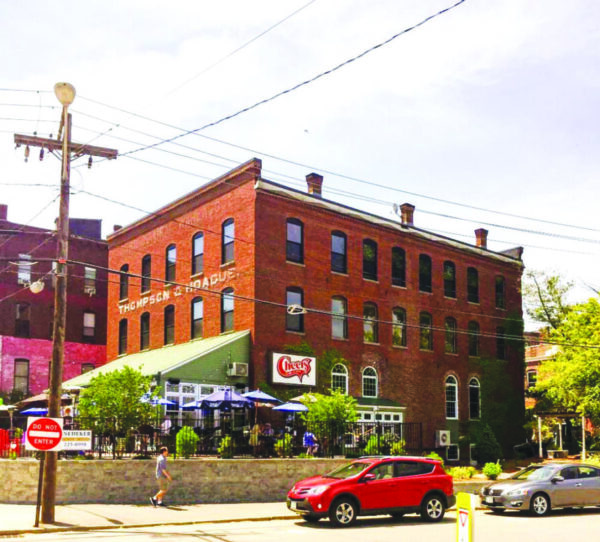
Less than optimal, according to Todd Roy, owner of Cheers Grille and Bar in Concord.
“It’s not great,” he said. “Everything is down; I can tell you that.”
Roy blames a combination of inflation and too many restaurants in the Concord area.
“There’s just not enough population to support all of us,” he said. But he sees inflation as a bigger challenge to his business. Rent, utilities, and especially food costs have gone up, but there are secondary effects as well. When money is tight, he clarifies, restaurant patrons have to set priorities: “Going out to eat goes farther down the list.”
“We’re all struggling. I’ve added breakfast on the weekends to raise our revenue,” Roy said.
Jeff Paige, chef and co-owner of Cotton in Manchester, is happier about business conditions. “Business has been great,” Paige said. Overall, his regulars have been very loyal.
“We’ve been able to build a relationship with our customers over the years,” Paige said. “A few of them come in so regularly that they call in to let us know if they can’t make it in.”
He agrees that staffing can be challenging. Cotton, which pre-pandemic was open weekdays for lunch, has had to drop lunch service.
“Lunch was busy; we just didn’t have the staff,” Paige said. Fortunately, most of Paige’s core kitchen staff have been with him for 20 years or more. “We make sure we take care of those people. We’re fortunate that we’ve been able to pay more than a lot of other restaurants.”
Amanda Wihby, co-owner and COO of Red Arrow, agrees that business is good. During uncertain times customers crave comfort food — something that diners like the Red Arrow specialize in.
“It’s been a tumultuous four years,” she said. “We’re finally coming out of the effects of the pandemic. Because of inflation, we’re seeing the customers coming back.”
Ready to eat?
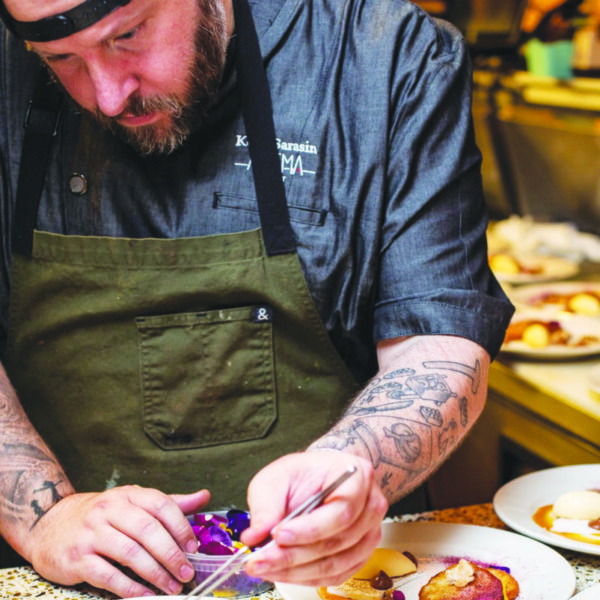
Keith Sarasin, cookbook author, chef and owner of The Farmer’s Dinner Dining Group, sees a change in many restaurant customers, who have traditionally had conservative tastes in food. “It’s encouraging,” he said. “People are embracing foods that they aren’t familiar with — that haven’t been represented in the mainstream up until now. The education piece has been much higher for the average diner. As a chef, that’s super encouraging.”
He also sees more of a relationship between customers and individual chefs.
“I’m seeing trends where people are getting involved with the [local] chef community. I see diners following chefs from restaurant to restaurant,” Sarasin said.
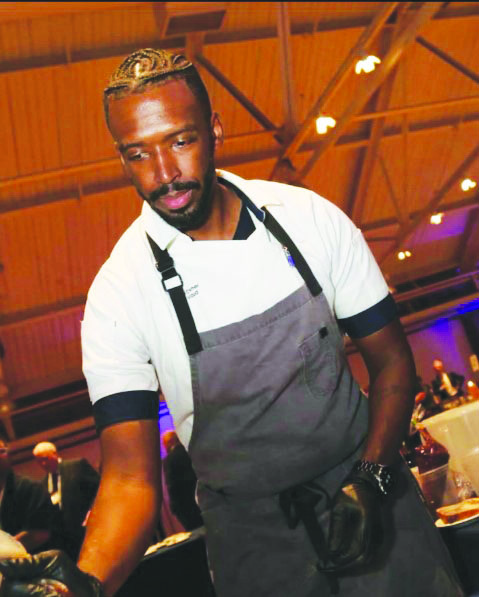
Chris Viaud, the chef and owner of Greenleaf (serving seasonal, contemporary American style food) and Ansamn (Haitian cuisine) restaurants in Milford, has been surprised and gratified by the loyalty of his customers over the past few years.
“Our guests have been so supportive,” he said. “In 2019, we got off to a great start, then boom! But our customers have been supportive of both our restaurants, coming out during Covid and helping build us back up.”
Viaud, too, sees customers becoming more adventurous.
“They’re definitely more sophisticated than they used to be,” he said. “Diners do want to see different and new things. As a chef, my excitement comes from being able to adapt and change. I’m excited that there is such excitement for new and different cuisines.”
On the menu
While traditional comfort foods will always play an important role in New Hampshire dining, across the board, cuisine diversity was frequently mentioned as the biggest change in the local restaurant scene.
“I think we’re getting more international food,” said Jessica Martin, Executive Director of Intown Concord. “We’ve got our classics, but we’re getting a lot more restaurants in Concord that reflect how diverse our population is becoming.” She cited Batulo’s Kitchen, a Concord restaurant that specializes in Somali-inspired cuisine, as one example.
“There’s Buba Noodle (a Vietnamese restaurant), N’awlins Grille (Creole), and STREET, which specializes in dishes inspired by street food from around the world,” Martin said.
Sarasin agrees that the New Hampshire restaurant community is embracing diversity and food from around the world. He points to Classic Biryani, Kabab and Curry — an Indian restaurant on Manchester’s West Side.
“I travel all over the country, tasting food everywhere. As far as I’m concerned, this is the best kebab house in the country. It’s incredibly encouraging that a community like Manchester can support an Indian restaurant of that quality,” Sarasin said.
Wihby of the Red Arrow agrees.
“I’d like to see even more diversity in fine-dining restaurants,” she said. “It would be great to see more places popping up.” She expressed a fondness for Thai Food Connection, which has restaurants in Manchester and Bedford.
Viaud, whose Ansanm restaurant in Milford specializes in Haitian-fusion cuisine, feels vindicated by the expansion of offerings.
“Coming up in the industry, you get pigeonholed,” Viaud said. “I feel strongly that this is my background, and I want to share it. Customers have definitely become more sophisticated. Indian, Mexican, Italian — they’re open to it all.”
Kaji Maharjan of Kathmandu Spice, a Nepali/Indian restaurant in Manchester, said before Covid most of his business was in-house dining.
“2021 was a very bad year, though,” Maharjan said. “Now, 25 to 30 percent of our customers eat here; the rest of our business is takeout, at this point.”
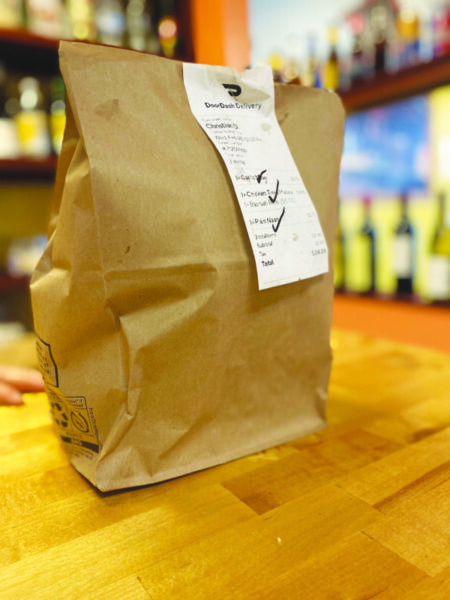
He said that in addition to customers using Grubhub, UberEats and DoorDash, his restaurant has changed its online presence. “Now people can order online or call in their orders,” which, he said, translates into even more takeout business.
Maharjan said that over the past year, however, in-house dining has been on the rise.
“There are more people eating here,” he said. “It’s slowly getting better.”
What’s next
According to Jessica Martin at IntownConcord, there are some very positive developments on the horizon. She points to the Capitol Center For the Arts’ Culinary Artist in Residence program, which works with newly arrived community members who want to start a food business. The culinary residents are able to use the Capitol Center’s two commercial kitchens to develop a customer base and to work out recipes on a commercial scale.
She also points to State Street Kitchen’s incubator program, which helps provide equipment and training for prospective small food businesses. Traditional restaurant models are changing. “We’ve been working on bringing more food trucks to the area,” she said, such as the food trucks that show up for the monthly First Friday shopping events.
Jeff Paige at Cotton sees more changes to traditional service models in the future.
“I’m seeing a trend toward dinner-only service,” he said. Staffing issues and kitchen efficiencies make eliminating lunch more attractive to restaurant owners. He also points to the difficulty of staying open seven days a week.
“Tuesday through Sunday makes the most sense for most of us,” he said, “and holiday Mondays.” Paige said that although the past few years have been tough, he’s cautiously optimistic. “We’re doing really well and a few of our friends who own restaurants are doing well, too.”
Kaji Maharjan at Kathmandu Spice agrees. His restaurant has been open seven days a week for years, but has just started closing on Tuesdays.
“Being open all the time is just too hard,” he said. “My staff needs a break.”
Roy at Cheers continues to worry about rising business costs: “I just signed a three-year contract with my food reps to keep prices down.”
Sarasin sees New Hampshire’s restaurant scene as only becoming more diverse, and more focused on superior ingredients. “More small, chef-driven restaurants centered around high-quality, fresh, seasonal ingredients are going to thrive,” he said.
Viaud sees area restaurants working together to build a culinary community where restaurants play off each other. As customers at one restaurant open themselves up to new experiences, hopefully they will take that spirit of adventure with them to other restaurants.
Different restaurants with different cuisines pull together to build a common culinary vocabulary. “I’m hoping the industry continues to be collaborative,” he said.
Great Manchester Restaurant Week
Greater Manchester Restaurant Week runs through March 14. The Greater Manchester Chamber and the Palace Theatre are working together this year, to promote the Palace’s production of the Broadway musical The Prom (running weekends March 1 to March 24) by collaborating with more than 25 participating Manchester restaurants, who will have special offerings from custom cocktails to prix-fixe meals.
“Pairing a Restaurant Week with the Palace Theatre’s production of Prom is quite a creative way to experience the culinary and cultural contributions of the Greater Manchester community,” said Cole Riel, Director of Small Business and Community Development at the Greater Manchester Chamber, in a press release.
“We’ve been wanting to sponsor a restaurant week for a couple of years now,” says Kelsey Collins, the Marketing Director for the Palace Theatre. “Prom is a new show for us and we’re very excited about it, so we decided to do it now.”
The Prom is a musical comedy about four overly enthusiastic Broadway actors who try to help an Indiana teenager, who has been banned from attending her prom. Their over-the-top efforts are overwhelming to the teenage girl, who just wants to be left alone.
Many participating restaurants will be serving prom-themed cocktails and meals. Campo Enoteca has developed a pair of bespoke cocktails called “The King of Prom” and “The Queen of Prom.” The Gyro Spot is featuring an “After Prom Special” — two gyros of the customer’s choice, and a special chocolate-covered loukoumades. Current Kitchen & Bar at DoubleTree is serving a Honey Nut Cheerios ‘Prom-tini’ with Honey Nut Cheerios-infused rum, Angry Orchard hard cider and honey cinnamon simple syrup.
“A lot of theater-goers are going out to dinner,” Collins explains, “either before or after a show. This is a good way to let them know about the great restaurants in the area, and vice versa.”
The Prom is running at the Palace Theatre until March 21. For tickets and a list of participating restaurants, see palacetheatre.org/restaurant-week.