Maple Daiquiri

We’ve reached the point where the nights are still cold but the days are warm — not Las Vegas warm, but warm enough for people like us, who have been looking at our own breath since Thanksgiving. In other words: maple sugaring season.

So let’s make something mapley. A quick internet search will turn up any number of cocktails that use maple syrup, but we’re smart.

Most of the time.

OK, some of the time.

Anyway, we can almost certainly come up with something delicious on our own, last week’s pasta experiment notwithstanding.

My first step in working up a recipe around a particular ingredient is The Flavor Bible, by Karen Page and Andrew Dornenburg.

This isn’t a cookbook as such. It’s a reference work that discusses which ingredients go well together. Karen Page has interviewed a large number of chefs and picked their brains for which flavors go well with which other ones, and annotated their suggestions so that the reader can tell which flavor combinations are classics, and which ones are outliers with one or two passionate chef-advocates.

In our particular case, let’s look up “maple syrup.”

OK, this is interesting — Jerusalem artichokes. That’s worth remembering for another time, but I don’t think any of us have the patience right now to figure out a Jerusalem artichoke cocktail.

Moving on.

Oh. Bananas. This seems to be a popular combination with chefs. And, as it turns out, I just made a bottle of banana-infused rum. Let’s make a little checkmark in pencil next to that. What else? **mumbling** “Buttermilk, figs, mascarpone, winter squash ….” Oh, hey — chiles. And, as it turns out, I’ve got a bottle of Fresno pepper-infused rum downstairs, too.

So it looks like we’re going with a rum drink.

I don’t know about you, but I think I’d like to go with something fairly simple and straightforward this time, something that will let the maple shine through but give it another flavor to play off.

Something like a daiquiri.

Daiquiris, margaritas, gimlets — these all use a similar set of recipes — a base alcohol (in this case rum), something sweet (the maple syrup) and lime juice. The Flavor Bible doesn’t list limes in maple’s complementary flavors, but at least one chef suggests lemons, which would give us the same acidity as the lime juice. I say we go for it.

So, let’s make two different versions of our Maple Daiquiri, one with the Fresno rum and one with banana rum.

Verdict: The Maple/Chili Daiquiri is sweet and spicy. The lemon juice was a good call; it adds the acidity we were looking for, without elbowing its way to the front of your palate and distracting from the maple. It might be just a little too spicy, though. The maple syrup definitely adds sweetness, but its specific flavor gets a little lost.

The Maple/Banana Daiquiri comes across as a bit sweeter, but the maple definitely shines through. The banana is the first flavor that hits you, but you are left with a mapley feeling that makes you 8 percent less likely to scream in traffic.

Wait a second. I wonder …

** Pours about ¼ of the chili daiquiri into the banana daiquiri glass, then swirls it around pretentiously.**

Yup. This:

March Maple Daiquiri

Ingredients

  • 1½ ounces banana rum – see below
  • ½ ounce Fresno rum – see also below
  • ¾ ounce fresh-squeezed lemon juice
  • ½ ounce amber maple syrup

Combine ingredients with ice in a cocktail shaker. Shake.

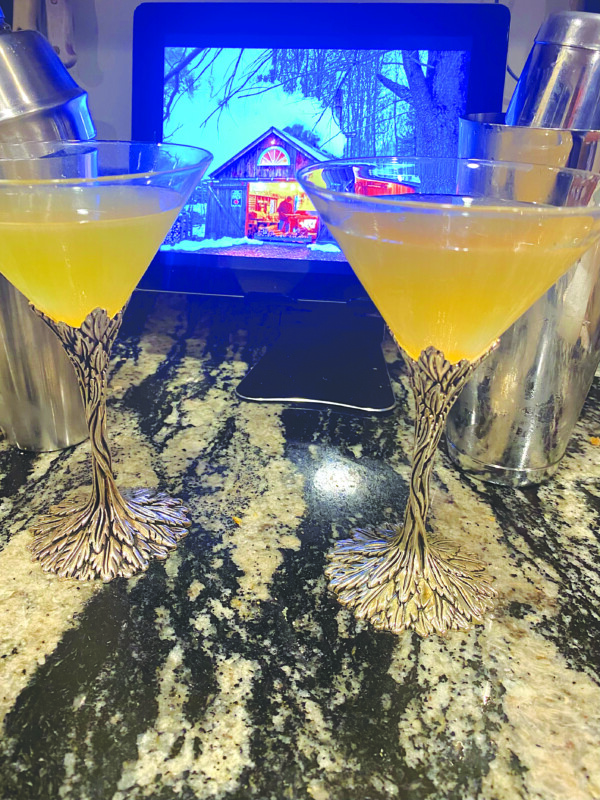
Strain into a martini glass.

Infused rums

Banana rum – Muddle one very ripe banana (the type you might use for banana bread) in the bottom of a large jar. Add two cups of white rum. Put the top on the jar, then shake well. Store in a cool, dark place for seven days, shaking once or twice per day. Strain, filter, and bottle.

Fresno rum – Roughly chop four fresh Fresno chilies and add them to the same type of large jar. Top the jar off with the same type of white rum. Store and shake, as above. Taste after four days, then every day thereafter, until it is spicy and flavorful enough for your taste. Strain and bottle.

Featured photo: Maple Daiquiri. Photo by John Fladd.

Drink these three beers now

These are worth tracking down

I’ve said this before but walking into your local beer store is downright overwhelming these days. How are you supposed to make a decision?

Even when I know exactly what I want to buy as I walk in, I inevitably get sidetracked. Just going to pick up a six-pack of this or that, but really, who knows what I’ll walk out of there with and how long it will take me to make a decision? I certainly don’t. I don’t have a clue how it’s all going to unfold.

Sometimes it’s helpful to just have someone tell you what to do because thinking is hard. Your life is hard enough and your mind deserves a few minutes without needing to make critical decisions.

I just don’t want you to be that poor, lost soul in your beer store, floundering around from aisle to aisle, shelf to shelf like a rudderless boat. You’ll probably be saying “excuse me” one million times and maybe bumping into others as you start to sweat from your inability to make a decision. No one wants that. It’s depressing to see, honestly.

You deserve a break from thinking, so here are three New Hampshire beers I think you should drink:

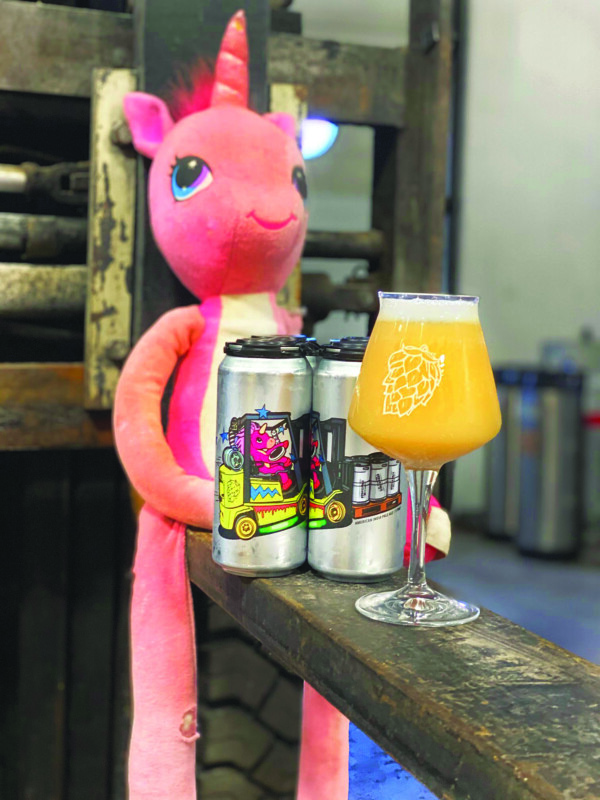
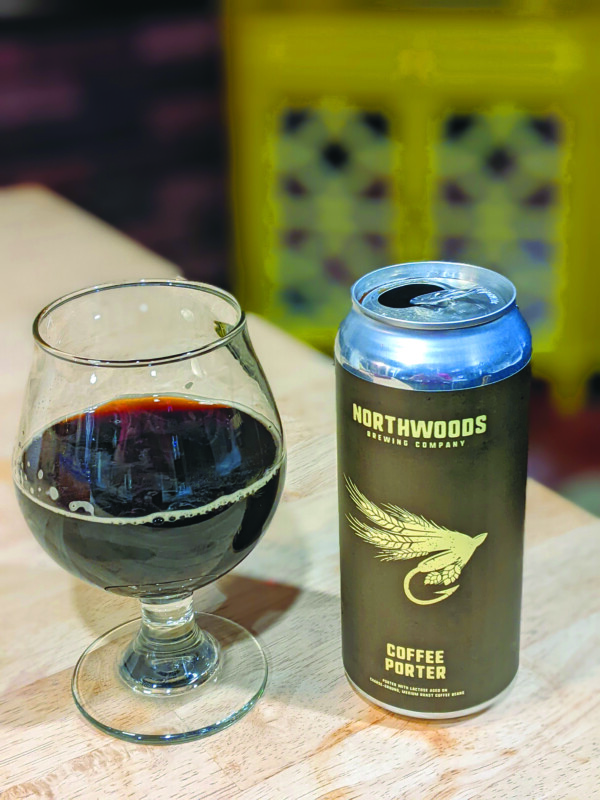
Coffee Porter by Northwoods Brewing Co. (Northwood)

I’m falling in love with this brewery; let me start there. The Coffee Porter is silky and smooth and sweet and rich and decadent — it’s just a wonderful beer drinking experience for those of us who appreciate the coupling of beer and coffee. It’s not just a coffee beer, though, as there are pronounced chocolate flavors as well. It comes in at just 4.7 percent ABV, which is tremendous news, as I hereby give permission to have more than one. Random, but Northwoods also has a beer called Magnetic Sense, which is a dry Irish stout, and I guess what I’m saying is, maybe have one of those on St. Patrick’s Day.

Citrillia by Great Rhythm Brewing Co. (Portsmouth)

This double dry-hopped double IPA is a quintessential example of this style: hazy, hoppy and delicious with big tropical fruit flavor — think grapefruit and mango, and maybe a touch of lime. At 8 percent this packs a bit of a punch, but this is what your taste buds want so you should give it to them. Plus, there is just something about a super hoppy brew that brightens up what can, well, kind of be a bit of a dreary month. This doesn’t disappoint at all as the flavor just explodes in your mouth.

Erastus by Schilling Beer Co. (Littleton)

I saw a recent piece in the Boston Globe calling Schilling’s brew Alexandr, a Czech-style Pilsner, the best beer in New Hampshire (while also lauding its pizza). Tough to disagree because the brew is tremendous (and so is the pizza). But, if you’re going all the way to Schilling, you would be a fool not to give Erastus a try. This Belgian tripel is just packed with fruity, spicy flavor. It just seems to hit you with layers upon layers of flavor and complexity and just begs for another sip. Situate yourself alongside the Ammonoosuc River, order up some pizza and dive into this brew. I literally have goosebumps as I write this.

What’s in My Fridge
Peroni Nastro Azzurro by Peroni Brewery (Vigevano, Italy)
Honestly, I’ve probably had this before but I have no recollection of having it previously. It’s light, crisp, bright and refreshing — pretty much exactly what you want when you are craving something lighter. The brew has some delightful citrus and spice notes as well that make it interesting. There are so many IPAs and so many big, rich stouts, it’s definitely worthwhile to be able to turn to some quality lighter brews. Cheers!

Featured photo: Coffee Porter by Northwoods Brewing Co.

Embrace the blend

A mix of grapes can produce one interesting bottle

We are all familiar with wines classified by the grapes used to make them — merlot, cabernet sauvignon, sangiovese — and wines named by their place of origin — Rhine, Bordeaux — but what does a label that reads “red blend” mean?

As its name implies, it is a wine produced from the blending of two or more varietals of grapes. The blending of grapes is steeped in the history and tradition of European winemaking, dating to at least the 17th century with the origin of modern wines as we know them today. Bordeaux wines are classic blended wines, the reds consisting of combinations of merlot or cabernet sauvignon, along with cabernet franc and petit verdot added in smaller quantities, and the whites generally consisting of sauvignon blanc, to which semillon is added to temper the citric, and more specifically grapefruit, notes of the sauvignon blanc. These blends date to the 18th century.

The concept and development of single varietal wines in America in the second half of the 20th century migrated to Europe, South Africa and Australia. To the extreme, some vintners have produced single vineyard varietals to showcase the strengths they feel those particular vineyards have. This is all a matter of opinion, and all these wine-making styles are welcome to the table. In a good wine, the blending of varietals is intended not to cover the deficiencies of the “lead varietal” but to add to the complexity of the whole. The blending of varietals is both a science and an art. The vintner must know the strengths of the grapes before him, but the vintner must also be able to know when to blend — at the fermentation of the grapes, or after they have become wine. The vintner must also have a deft touch to know just how much of which varietal to add to create not only a drinkable wine but a memorable wine.

Our first blended wine is the 2017 Domaine du Grand Montmirail Gigondas ‘Le Coteau de Mon Rêve’ (at the New Hampshire Liquor & Wine Outlets, originally priced at $59.99, reduced to $25.99) is a blend that comes from the Rhone River Valley of Southern France. With a dark red color and nose of cherry and plum, this wine comes to the tongue with a full mouth feel of blackberry, plum and cherry, with notes of chocolate and a bit of leather. It is composed of 75 percent grenache, 20 percent syrah and 5 percent mourvèdre.

Denis Cheron acquired the Domaine du Grand Montmirail in the 1960s. The estate vineyards are 59 acres, set on terraces, planted in 50-year-old grenache vines, along with 20-year-old syrah and mourvèdre vines. This is a sophisticated, plush wine to be enjoyed with beef, lamb or game, now, or it can be cellared over the coming decade.

Our second blended wine is the 2016 Darcie Kent Vineyards Firepit Red (available at the New Hampshire Liquor & Wine Outlets, originally priced at $40.99, reduced to $19.99), a blend that comes from Livermore, just east of the San Francisco Bay. To the nose we sense raspberry, blackberry and cherry flavors that carry to the tongue with additional notes of oak and spices. Gentle tannins persist to a long finish of cassis and nutmeg. The oak nuances come from 24 months in new and used French oak barrels.

This is a blend of malbec, zinfandel, cabernet sauvignon, cabernet franc, petite sirah and merlot. The proportions may vary from year to year. The zinfandel gives the wine its spiciness; the petite sirah its concentration of tannins. In fact, many makers of zinfandel add petite sirah to quiet the pepper in the zinfandel. It should be noted that the petite sirah grape has nothing in common with the syrah grape of our first wine!

So the blending of grapes and of the wine from those grapes opens new opportunities, new flavors, and other characteristics to be explored and savored. Try a blended wine with your next purchase. You will welcome the experience.

Featured photo: Gunner’s Daughter by Mast Landing Brewing Company. Courtesy photo.

Lion with a straight face

It’s not spring yet.

Count on spring at this point, and you’ll only get your heart broken. There are at least two more blizzards and a lot of mud before spring gets here.

But there are hints. Whispers of hints. Whispers of innuendos of hints.

An afternoon where you can get the mail in shirtsleeves.

Old guys in the library parking lot talking about sugaring equipment.

Parts — only parts at this point, don’t get too excited — of your front steps are bare of snow and dry.

We’re still in the lion part of “In like a lion; out like a lamb.”

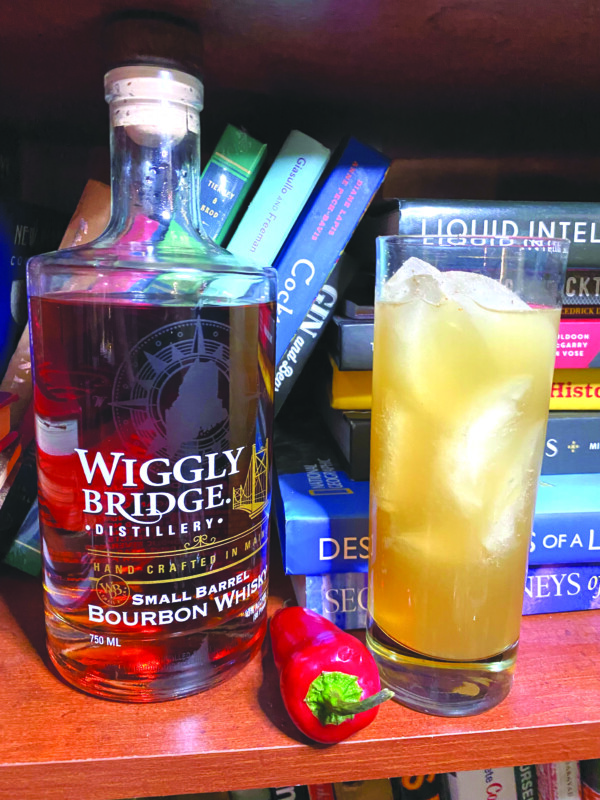
So I went looking for a lion-themed cocktail, and found something promising called a Lion’s Tail — a sort of a cross between a whiskey sour and a daiquiri, with front notes of bourbon and hope, and back notes of loneliness and bitter disappointment.

It’s good — very good — but with two small issues:

(1) It calls for bourbon, which is a good idea. Bourbon can be caramel-y and delicious and add a note of class to the proceedings. But I’m out of bourbon, and I can’t afford the good stuff, anyway. (You can fake your way through a lot of drinks with bottom-shelf rum or gin, but in my experience, most bourbon doesn’t get good until it is physically painful to pay for.)

(2) It calls for a specialty liqueur called allspice dram — a low-octane but very flavorful ingredient. As it turns out, I do have a bottle of it at the very back of my liquor cabinet — a relic of a short-lived but intense tiki phase I went through a year or so ago — but seriously, who else is going to have this kicking around?

So let’s see what we can do to replicate this with more proletarian ingredients:

Step 1 – Make the original cocktail with more-or-less original ingredients.

** Sound of clattering. “Mumble, mumble …” Measuring … **

“Google, how many dashes to fluid ounce?”

“Blah, blah … Was this answer helpful to you?”

“No! Not even a little bit! … Wait! I meant teaspoons….”

** More clattering, mumbling. Finally, the sound of a cocktail shaker, then pouring. **

Verdict: This is very good. The allspice is a big deal. Huh, go figure.

Step 2 – Replicating the recipe

Lion’s Butt Cocktail

Ingredients

  • Syrup – ¼ cup sugar, ¼ cup water, 20 allspice berries, cracked in a mortar and pestle
  • 2 ounces rye
  • ¾ ounce allspice syrup
  • ½ ounce fresh squeezed lime juice
  • ¼ tsp. angostura bitters

Combine sugar, water and allspice berries to a very small saucepan and stir, bring to a boil. Remove from heat and allow to steep for 30 minutes. Strain and set aside.

Combine rye, allspice syrup, lime juice and bitters with ice in a cocktail shaker.

Shake thoroughly, until you hear the ice splintering.

Strain into a coupé glass.

Verdict: Very nice, indeed.

The original cocktail was heavy on the allspice, which totally works — especially this time of year. For a tropical spice, it suits winter weather very well. This — I won’t say “knockoff” — er, tribute version is a little more lime-forward and a skosh less sweet. (I’ve grown to really like rye. I’m not sure why that’s surprising to me, but it is. But then again, almost-spring is a surprising time of year.) The rye works well with the lime, which works well with the slightly spicy syrup. Could this be slightly cloying and too sweet? Yes, but it is saved by the bitters swooping in, wearing a cape, and deflecting the sweetness.

If you find yourself with a warm afternoon, you might want to call in sick to that last video conference of the day, drag an easy chair out to the deck, and drink three of these while listening to songs you listened to while making questionable decisions in your youth.

The kids can eat cereal.

Featured photo: Photo by John Fladd.

Beer, slopeside

Beer and skiing: Yeah, they go together

I’ve snowboarded, or well, known how to snowboard for, I don’t know, 15 years, even if there’s about a 10- to 12-year gap in that window where I didn’t even look at my snowboard.

I’m not good at it and I still get stressed out about getting off the chairlift — and even if I manage to stay upright, I’ll probably knock over whoever is next to me. A three-seater? Forget it.

I met some friends at Pats Peak last year for an evening on the slopes. It reminded me of why it’s such a literal high to experience the rush of the mountainside.

The thing is, hitting the slopes is tiring, and if you’re on the mountain for an extended period of time, a beer or two to break up the day is just a winning move.

You do have to be careful. After you’ve taken a few runs, whatever beer you choose is going to taste very, very good. You’re going to want another. But don’t do it.

Let’s develop a game plan together so you can experience the mountain and have your beer.

Start your morning — without any beer. Let’s be real. Have a cup of coffee, have breakfast and get out there. The morning is going to be your longest stretch skiing or snowboarding. Give yourself a solid two to three hours to embrace the cold.

At lunchtime, grab something light and refreshing, such as the Czech Pilsner by Moat Mountain Brewing Co., which is crisp, light, bright and yet still flavorful, or Tuckerman Brewing Co.’s Pale Ale, which gives you a little fix of hops, a little bitterness and a nice, smooth finish. A tart Berliner weisse, such as Pulp Up the Jam Vol. 11 by Kettlehead Brewing Co., would be another nice choice.

At this stage, anything heavier like an IPA or a stout is just going to bog you down, and you have more skiing to do.

Now, you’ve had lunch and a beer, and you’re staying hydrated because you’re responsible. You felt the rush in the morning, explored some trails, and maybe challenged yourself a little bit. The afternoon can be a little less aggressive. Don’t worry about pushing your limits. Take in the scenery. Cruise some easy trails. Offer some pointers to beginners as you glide by because they always love that.

After a couple more hours of relaxing skiing or snowboarding, it’s time to take a break with something that packs a little more of a punch and a little more hop character, like the Mountain Haze New England IPA by Woodstock Inn Brewery, a beer that is still pretty easy to drink but with a little more in-your-face flavor. Another nice option would be a Stoneface Brewing Co. IPA — you just can’t go wrong with that. The Combover IPA by Schilling Beer Co. would be another game winner.

At this stage you may be feeling a bit tired. Get over it. You need to get back out there one more time, just for a couple more runs. This is your last chance to take it all in. Maybe you can time it right to catch the sun setting.

Take those last couple of runs, embrace the moment, and then close out the day with something rich, dark and decadent, like a Meltaway Milk Stout by Breakaway Beerworks, which is a just a creamy bomb of roasted malt and smooth chocolate-coffee sweetness. Another tremendous option would be to grab a Gunner’s Daughter milk stout by Mast Landing Brewing Co., which rewards you for going back out a third time with a luscious brew bringing together big flavors of chocolate, coffee and peanut butter.

You did good today.

What’s in My Fridge
Shipping Out of Boston Amber Lager by Jack’s Abby Craft Lagers (Framingham, Mass.) This easy-drinking amber lager is the perfect change-of-pace beer, particularly when you’ve had enough of IPAs, and when you aren’t in the mood for something super heavy or something super light. With a welcoming malty character, it’s incredibly drinkable, flavorful and just simply enjoyable. Cheers!

Featured photo: Gunner’s Daughter by Mast Landing Brewing Company. Courtesy photo.

Mein wines

Rediscover the wines of Germany and Austria

German and Austrian wines are often “forgotten wines,” wines that are not typically a “first choice” among those selecting wines, and that is unfortunate. The New Hampshire Liquor & Wine Outlets carry a paltry inventory of these wines. My wife and I gather with a group for a monthly wine tasting. It is both a social event and a lesson in exploring lesser-known wines. When we decided to try out German and Austrian wines, we had to travel to the Boston area for a more expansive inventory of what is available here in New England. The wines offered in this column are two of the more readily available wines to be found in New Hampshire.

Our first wine, the 2020 Landhaus Mayer Grüner Veltliner (originally priced at $13.99 and reduced to $11.99 at the New Hampshire Liquor & Wine Outlets until Feb. 27), is a good example of an Austrian white wine from Wien (Vienna), Lower Austria. Some critics of wine coming from this part of Austria consider the residents and tourists of this area to be undemanding of their wine, leading to “sloppiness” in its quality and production. Landhaus Mayer is a winery that runs counter to this perception. It has established a cooperative with the vineyard owners of this region to properly care for and cultivate their vineyards from pruning to the optimal harvest time. Gerhard J. Lobner, production manager of Landhaus Mayer, is a force in the production of quality wines, including riesling, rosé, zweigelt, and, of course, grüner veltliner.

This is a medium-bodied wine with elegant spicy aromas. It is refreshing and is perfect for pairing with dishes, including grilled chicken or pork, or to enjoy with a snack or sandwich. The color is light straw and to the nose there are notes of grapefruit. To the tongue there is a pleasant citric acidity with some herbal spiciness. It should be served cooled and would be perfect with Wiener schnitzel as its citric notes will complement the butter and lemon in the dish. This wine is a young wine and as such lacks aging potential. It should be consumed within two years of its vintage. Therefore, in purchasing this wine to serve at your next dinner party of Austrian cuisine, plan early, as this 2020 vintage is at its prime today.

Our second wine, the 2020 Valckenberg Gewürztraminer (also originally priced at $13.99 and reduced to $11.99 at the New Hampshire Liquor & Wine Outlets until Feb. 27), hails from Westhofen, along the Rhine River Valley, in the Palatinate region of Germany. Westhofen is known for its vineyards, with almost 2,000 acres planted, 69 percent in red wine varieties and 31 percent in white wine varieties. It is Germany’s fourth-biggest wine-growing region after Worms, Nierstein and Azey, all located along the Rhine. The soils of this region are gravelly limestone, which add a trace of minerality to the grapes.

For over 230 years P.J. Valckenberg has acted as an ambassador for wines of this region; that is, they purchase wines from 33 of the best vineyards of the Rhine and Mosel River regions. They provide these small vineyards, mostly consisting of well under 100 acres each, a worldwide market for their fine vintages.

This wine had a dry growing season from start to finish resulting in a near perfect grape to create a near perfect wine. With its light straw color and floral notes to the nose, it comes to the tongue with notes of pear and peaches. It is slightly sweet with just the right finish. It is ideally suited to pairing with pork or rich fish such as salmon or tuna, and its slight sweetness is ideal as an accompaniment to spicy foods. This wine is a great value and because of its semi-sweetness it can be cellared for up to five years.

These are two decidedly different wines worthy of exploration. Broadening our palates with new and different varietals and wines will not only lead us to new experiences but may spur the industry to expand inventories to satisfy our curiosity and expanded knowledge of wine.

Featured photo: Courtesy photo.

Stay in the loop!

Get FREE weekly briefs on local food, music,

arts, and more across southern New Hampshire!