Craft brews and good times at annual Keep NH Brewing Festival
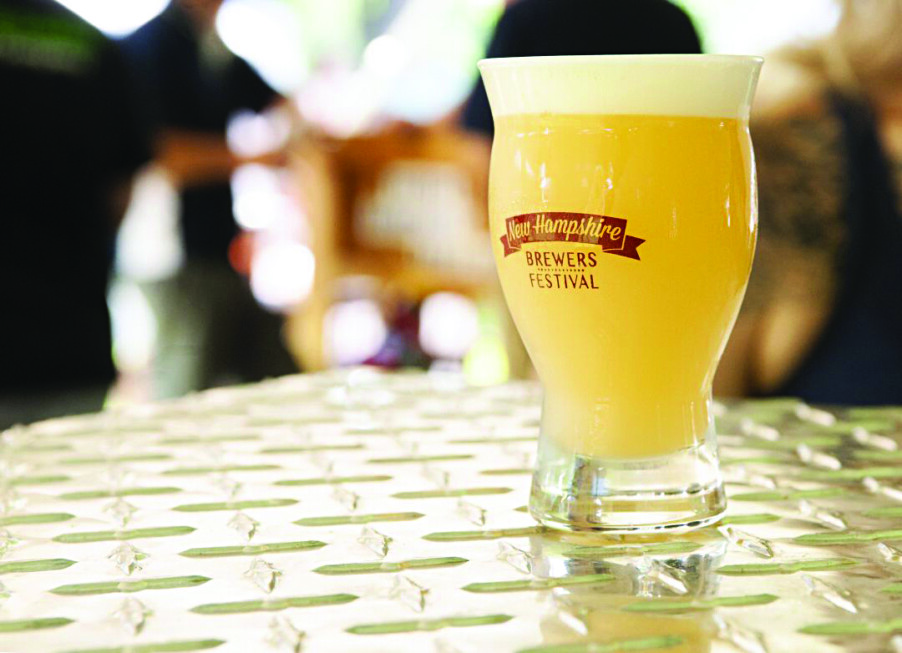
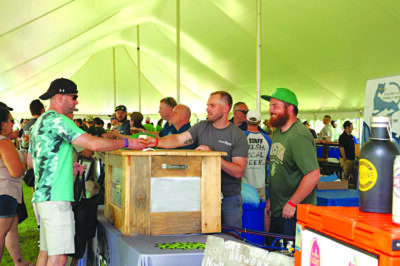
After a two-year hiatus, the state’s largest collection of craft breweries for one event is back in person — attendees will be able to sample more than 130 locally produced beers at the Keep NH Brewing Festival, which returns to Kiwanis Waterfront Park in Concord on Saturday, July 9.
Photos courtesy of the New Hampshire Brewers Association.
It’s the main fundraiser for the New Hampshire Brewers Association, a nonprofit promoting the craft beer industry in the Granite State. As in previous years, executive director CJ Haines said, the participating brewers encompass a variety of geographical locations across New Hampshire.
“I would say there are probably about 10 or 12 breweries that have never been to the festival that will be there this year,” Haines said. “Each of them [is] bringing at least two different styles of beer as part of the event and some bring up to three or four. … The styles range all over the place, so there are Pilsners, sours, lagers and of course IPAs and some dark beers.”
Some will likely even pour certain beers that you may not be able to get outside of the brewery’s onsite tasting room, or they might serve special collaborative options among brewers.
“That’s one of the big things that we try to do,” Haines said, “so that way it’s kind of a unique experience for people to try something new, or something that you have to get at the brewery.”
Upon entry into the festival, attendees are given a program with a record of all the participating brewers and the selections they are pouring that afternoon. Admission grants you access to 4-ounce pours of each beer, as well as a souvenir tasting glass. There’s also a VIP rate that welcomes ticket-holders an hour earlier to enjoy some exclusive selections.
New names in the local craft beer scene include Feathered Friend Brewing Co., which opened its doors just a few miles down the road from the park in Concord’s South End earlier this year. TaleSpinner Brewery of Nashua, the sister establishment of Rambling House Food & Gathering on Factory Street, just opened in February and is also on the list of festival participants. Both breweries are known for their New England-style and double dry-hopped IPAs, but have already dabbled in other styles from stouts and lagers to some sours and blond ales.
Several local food trucks and mobile food vendors will be there, featuring various options like pizzas, Bavarian-style soft pretzels, loaded baked potatoes and even some Asian fusion items. Haines said the Brewers Association is partnering with New Hampshire Music Collective to present two live sets throughout the afternoon, while a few other non-brewery vendors will also be participating.
“One of the local hop growers, Champlain Valley Hops, will be there, so you can actually nose some different hops,” she said. “So there’s also that educational component of learning what goes on behind the beer and how hops are selected. … We’re also focusing on outdoor recreation in New Hampshire, so Granite Outdoor Alliance will be there and they’ll have a mini campground area that will be set up on display to check out.”
Other vendors expected to attend include DraughtPick, a locally created website and mobile app providing users with the most up-to-date details on craft breweries and beers; Morrill Dairy Farm, which produces local grain and barley; and some members of the Concord Fire Department Union, the festival’s partial beneficiary.
Keep NH Brewing Festival When: Saturday, July 9, 1 to 4 p.m. (VIP admittance begins at noon) Where: Kiwanis Waterfront Park, 15 Loudon Road, Concord (behind the Douglas N. Everett Arena) Cost: General admission is $50 in advance and $55 on the day of the festival; VIP admission is $65; Designated driver admission is $20 Visit: nhbrewers.org Event is rain or shine. No children or pets are allowed. All attendees, including designated drivers, must be 21 years of age or older.
Featured photo: Photos courtesy of the New Hampshire Brewers Association.
Events happening in New Hampshire on and around the Fourth of July
By Katelyn Sahagian
ksahagian@hippopress.com
Independence Day is a time for cookouts, fireworks, parades and parties, as people say happy birthday to America.
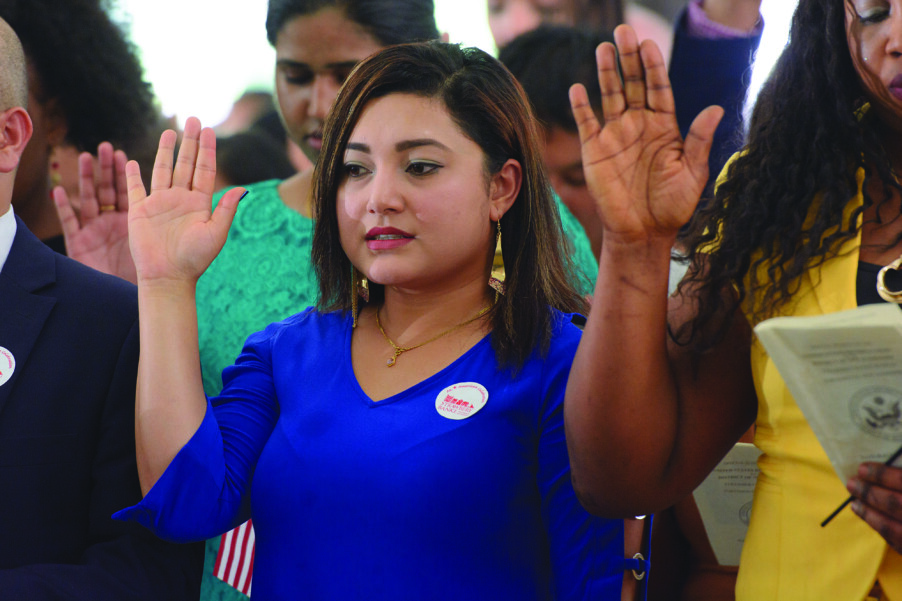
One museum, Strawbery Banke in Portsmouth, has been taking it a step further for the past 20 years by holding a naturalization ceremony in conjunction with U.S. Citizenship and Immigration Services (USCIS) and the United States District Court – District of New Hampshire.
“I’m so very much looking forward to it,” said Veronica Lester, the spokesperson for the museum. “The joy that radiates from the new citizens will be something quite special to witness.”
Strawbery Banke was settled by British colonists in 1623; they named the area for either wild strawberries that grew along Piscataqua River or an estate in England. Sometime later, it was given the name Puddle Dock and went from wilderness outpost to newcomer neighborhood. People lived in the area until the 1950s, when Portsmouth officials closed the neighborhood for urban renewal.
The new citizens will take their Oath of Allegiance on the museum’s lawn, Puddle Dock, named after the disbanded neighborhood. Lester said that the land Strawbery Banke is on has always been a place for immigrants, whether the first British settlers, or immigrants from across the world in the 19th century.
“It seems fitting that the naturalization ceremony occurs at the museum that is this neighborhood of newcomers,” Lester said. “It’s a special ceremony that takes place at this special location.”
In addition to the celebration at Strawbery Banke, here are some other celebrations happening in the Granite State.
Amherst Fourth of July Celebration
Two days’ worth of celebration and entertainment, featuring fireworks, a festival on the town green, and a parade with classic cars competing for awards.
When: Sunday, July 3, festivities begin at 6 p.m. with fireworks. A second day of festivities, including the parade and festival, begins Monday, July 4, at 9:45 a.m.
Where: July 3 events at Souhegan High School, 412 Boston Post Road. July 4 parade leaves opposite the Wilkins School, 80 Boston Post Road.
Visit: amherstnh4th.org
Brookline parade and fireworks
When: Monday, July 4, 10 a.m., parade will step off. The fireworks will begin shortly after dusk, around 9 p.m.
Where: South Main Street, traveling down Route 130 to Richard Maghakian Memorial School, 22 Milford St. The fireworks will be over Lake Potanipo, Max Cohen Memorial Grove, 3 Mason Road.
Visit: brooklinenh.us
Canobie Lake Park fireworks
Stick around after a day at the amusement park for fireworks over the lake. The fireworks show is timed to patriotic music and the amusement park recommends viewers to watch them by the daVinci’s Dream ride.
When: Saturday, July 2, through Monday, July 4, 9:15 p.m.
Where: Canobie Lake Park, 85 N. Policy St., Salem
Visit: canobie.com
Concord Fourth of July Celebration
Featuring food, live music, fireworks and more
When: Monday, July 4, food vendors and live music begin at 5 p.m., fireworks at 9:20 p.m. (rain date is Tuesday, July 5).
Where: Memorial Field, 70 S. Fruit St.
Visit: concordnh.gov
Derry fireworks
When: Monday, July 4, dusk.
Where: Best viewing areas are Hood Commons, Crystal Avenue and Tsienneto Road
Visit: derry-nh.org
Exeter Independence Day Celebration
The American Independence Museum is hosting its 32nd annual American Independence Festival later than the holiday. Visitors can take a self-guided tour of the museum and meet with vendors, learn about cooking during the Revolutionary War, and watch military reenactments.
When: Saturday, July 16, 10 a.m. to 2 p.m.
Where: 1 Governor’s Way
Cost: $10 for adults, $5 children 4 to 18, free for children under 4, veterans and active military, and museum members.
Visit: independencemuseum.org
Hampton Beach fireworks
When: Monday, July 4, 9:30 p.m.
Where: On the beach, across from B and C streets
Visit: hamptonbeach.org
Hopkinton Fourth of July Family Fun Day
Featuring a kiddie and main parade, family games, live music and a cookie bake-off
When: Monday, July 4, cookie competition drop off is from 9 to 11 a.m., kiddie parade begins at 11:30 a.m., main parade begins at noon and competition results are at 2 p.m.
Where: Parades begin at Hopkinton High School (297 Park Ave., Contoocook), then proceed through Fountain Square toward Contoocook Village Cemetery. Other festivities held at Houston Park, 41 Houston Drive, Hopkinton.
Visit: hopkintonrec.com
Laconia Celebration and Fireworks
Not only will Laconia be holding a parade and a festival full of vendors and live music, but there will be two different fireworks shows. The first will be at Opechee Park following the festival, and the second will be at Weirs Beach at midnight.
When: Sunday, July 3. The parade will start at 4:30 p.m., the band will start playing at 5:30 p.m. and fireworks will begin at 10 p.m. A second round of fireworks will start at midnight.
Where: The parade will start at the Laconia High School, 345 Union Ave., and end at Opechee Park, 915 Main St. The second round of fireworks will be atWeirs Beach.
Visit: laconianh.gov
Manchester Independence Day Celebration
Enjoy fireworks, live music, and food vendors.
When: Sunday, July 3. Live music starts at 7 p.m.; fireworks begin at 9:30 p.m.
Where: Arms Park, 10 Arms St.
Visit: manchesternh.gov
Merrimack Fourth of July festivities
A weekend-long celebration featuring fireworks, live music, a road race, a pancake breakfast and much more.
When: The Merrimack Concert Association’s annual Patriotic Concert in the Park will be held Sunday, July 3, from 6:30 to 8:30 p.m. The 25th annual Merrimack Sparkler 5K Road Race will begin at 8 a.m. on Monday, July 4. The Merrimack Rotary Club Pancake Breakfast will be held from 8 to 11 a.m. A parade will begin at 1 p.m. and fireworks will begin at 9 p.m.
Where: Holiday concert at Abbie Griffin Park. Road race begins and ends at the Merrimack YMCA, 6 Henry Clay Drive. Pancake breakfast and fireworks at Merrimack High School, 38 McElwain St. The parade will start at the Commons Shopping Plaza, 515 Daniel Webster Hwy.
Visit: merrimackparksandrec.org
Milford Family Fun Day and fireworks
The holiday kicks off with a 5K, followed by a bike parade, family fun, live music and fireworks.
When: Saturday, July 2, family activities start at 1:30 p.m., concert is from 8 to 9:30 p.m. Fireworks begin at dusk.
Where: Keyes Memorial Park, Elm Street
Visit: milford.nh.gov
Nashua Fourth of July Celebration
Fireworks, live music, and hall of fame inductions.
When: Monday, July 4, children’s activities from 10 a.m. to 1 p.m., concert at 6 p.m. featuring The Slakas. Fireworks begin at dusk.
Where: Holman Stadium, 67 Amherst St.
Visit: nashuanh.gov
New Boston Fourth of July Celebration
Featuring a parade, live music, a barbecue, ax throwing and the firing of the historic Molly Stark cannon.
When: Monday, July 4, parade begins at 10 a.m., fairgrounds will open at 4 p.m., opening ceremonies are at 5 p.m., and the fireworks will start at 9:30 p.m.
Where: Parade begins at the top of High Street and will end at the grounds of the Hillsborough County Youth Center Foundation, off River Road.
Visit: newboston4thofjuly.org
New London Fireworks
When: Saturday, July 1. Flares are at 9 p.m., fireworks will start at 9:30 p.m.
Where: Pleasant Lake
Visit: plpa.net
Portsmouth fireworks
When: Sunday, July 3, 9:15 p.m. (rain date is Tuesday, July 5)
Where: South Mill Pond, Junkins Ave. (across from Portsmouth City Hall)
Visit: portsmouthnh.com
Raymond Fourth of July Celebration
20th annual Fourth of July parade will have floats, horses, antique cars, clowns and more
When: Monday, July 4, parade at 9:30 a.m.
Where: Parade proceeds from Route 27 (Epping Street) down to the Raymond Town Common, onto Old Manchester Road and to Wight Street.
Visit: raymondareanews.com
Rye July 4th Celebration
When: Friday, July 1, live music will start at 7 p.m., fireworks will start at dusk.
Where: Parsons Field
Visit: town.rye.nh.us
Salem Independence Day Celebration
Featuring live music, food trucks, face painting, fireworks, a beer garden and more.
When: Saturday, July 2. Yappy Hour starts at noon, live music and face painting will be from 4 to 8 p.m., food and the beer garden will be open from 10 a.m. until 8 p.m., and fireworks will start at dusk.
Where: The event this year is taking place at Tuscan Village, 9 Via Toscana.
Visit: townofsalemnh.org
Silver Lake Fireworks
When: Sunday, July 3, at dusk.
Where: Silver Lake, Hollis.
Visit: facebook.com/SilverLakeFireworks
Strawbery Banke Naturalization Ceremony
Come and celebrate Independence Day by welcoming new citizens in one of the oldest neighborhoods in New England.
Put action, fantasy, science fiction and more on your summer reading list
Need some books to take on vacation or to give you a little getaway on your lunch hour? We asked local book sellers and librarians for their suggestions on what to put on your summer reading list.
Contemporary fiction
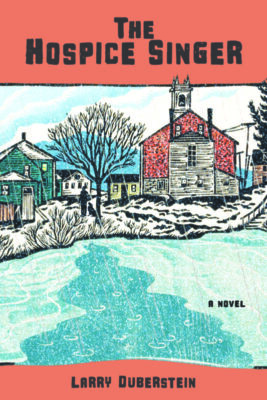
The Hospice Singer by Larry Duberstein, published May 2022 The little-known practice of hospice singing brings two unlikely characters together. Recommended by: Willard and Holly Williams of The Toadstool Bookshop in Peterborough. “Full of surprising turns, this is an enjoyable read leavened by Larry’s humorous takes on life.”
Bright Burning Things by Lisa Harding, published December 2021 Sonya, a single mother, struggles to make a good life for her son Tommy while her unrelenting alcohol addiction causes heartbreaking moments of darkness. Recommended by: Brittany Overton, adult services librarian at Hooksett Library. “Readers are brought into the mind of a young woman whose alcohol addiction is spiraling out of control, providing a perspective on addiction rarely known to the depths described in this book.”
Remarkably Bright Creatures by Shelby Van Pelt, published May 2022 Tova, still grieving from the loss of her 18-year-old son, Erik, many years ago, and more recently her husband, is getting ready to retire from her night-shift job cleaning the local aquarium, where she has befriended the intelligent and wily giant Pacific octopus, Marcellus. Recommended by: Maria Schroeter, adult collection development and adult programming librarian at Nesmith Library in Windham. “This heartwarming book, with a bit of mystery on the side, is ultimately about relationships. … This is perfect for anyone looking for an uplifting, but not too sweet, lovely story.”
Still the Night Call by Joshua Senter, December 2021 This story is a debut novel that takes place over 24 hours centering on the life of a Missouri dairy farmer. It dives into the plight of Midwestern farmers as they fight to hold on to their livelihoods. Recommended by: Susan Schatvet, Director at Seabrook Library. “It’s one of those books where, from the very first page, you’re compelled to go on. It gives you a fantastic perspective of the impact on this group of people. It’s a tragic novel, but it is just so compelling and it takes place over just 24 hours.”
This Time Tomorrow, by Emma Straub, published May 2022 Alice is supposed to be turning 40, but when she wakes up on her birthday somehow back in 1996, it isn’t her 16-year-old body that is the biggest shock, or the possibility of romance with her adolescent crush. It’s the 49-year-old version of her father with whom she is reunited, giving her a new perspective on her own life and his. Recommended by: Michael Herrmann, owner of Gibson’s Bookstore in Concord. “It’s a time travel tale reminiscent of Jack Finney’s Time and Again, with just a touch of Narnia.”
Wish You Were Here by Jodi Picoult, published November 2021 Diana O’Toole’s well-ordered life is sent off course when the Covid-19 pandemic hits during her vacation to the Galapagos, closing borders, landing her in quarantine and giving her time for self-reflection. Recommended by: Amy Lapointe, library director at Amherst Town Library. “The characters are compelling, making for a page-turner; the time period is relevant; and the Galapagos setting is the perfect backdrop for themes of resilience and evolution.”
What we’re reading: Tracy Flick Can’t Win By Tom Perrotta (Scribner, 2022) Perrotta revisits the central character of his 1998 Election in this story that catches up with Tracy, the one-time ambitious high school student with presidential aspirations. Now she is on the cusp of getting picked as principal at the high school where she has long served as assistant principal. She’s a lock, a shoo-in — so naturally, things start to go wrong. It’s a delight to revisit her and see how she and the world have changed (and, sigh, haven’t). The book is a quick fun read, told from multiple points of view. — Amy Diaz
Cookbook
Baking with Dorie: Sweet, Salty & Simple by Dorie Greenspan, with photographs by Mark Weinberg, published October 2021 A creative collection of recipes that includes everything from breakfast pastries to savory treats. Recommended by: Tammy Gross, library assistant at Goffstown Public Library. “This was a beautiful cookbook, and the cookies I made from it were delicious. I’m looking forward to making the Lemon Meringue Layer Cake next.”
Fantasy
Book of Night by Holly Black, published May 2022 When a former thief who specialized in stealing magical documents is forced back into her old habits, a story of magic, secrets and murder unfolds. Recommended by: Liz Herold, Assistant Director at North Hampton Public Library. “The main character is definitely someone you root for. She’s one of those people who always makes the wrong choice in life. But she’s trying to turn over a new leaf. It’s very fast-paced with a thread of mystery and suspense in it.”
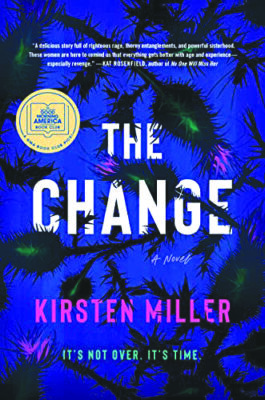
The Change by Kirsten Miller, published May 2022 Three women who have developed supernatural powers while going through midlife changes band together to solve the murder of a teen girl whom the police have written off as a drug addict. Recommended by: Carolyn Tremblay, reference librarian at Dover Public Library, and Chris Savukinas, children’s library assistant at Nesmith Library in Windham. “This oddly charismatic trio will win you over in their fight against powerful men. A suspenseful plot, humor and some sharp commentary about sexism combine to create a novel you won’t want to put down,” Tremblay said. “It’s about menopause, superpowers and revenge; if you’re a woman of a certain age, you’ll love it,” Savukinas said.
House of Sky and Breath by Sarah J. Maas, published February 2022 In the second installment in the Crescent City series, Bryce and Hunt are ready to settle down together and live a quiet life, but as the rebels continue fighting against the Asteri, staying on the sidelines is no longer an option. Recommended by: Alexa Moore, circulation and reader services librarian at Amherst Town Library. “[The book] follows a lot of different threads and works to firmly establish the large cast of characters. While I loved the character-building and intrigue this story provided, it succeeded in its main goal of setting the stage for an incredible third book.”
Iron Widow by Xiran Jay Zhao, published September 2021 Concubine-pilot Zetian is out for vengeance for the death of her sister, and to stop the practice of sacrificing girls once and for all. Recommended by: Alexa Moore, circulation and reader services librarian at Amherst Town Library. “This book grabbed my attention initially because of the gender roles being challenged and other important representations within the story, but kept me reading because of the giant robot (mech) fights.”
Nettle & Bone by T. Kingfisher, published April 2022 Marra, the youngest princess of a very modest kingdom, sets out to rescue her older sisters from an abusive prince. Recommended by: Dianne Hathaway, director at Goffstown Public Library. “It is well-written and clever and very different from what you should expect of traditional fairy tales. … If you enjoy stories of knights, strong damsels-not-in-distress and magic, then this book is for you.”
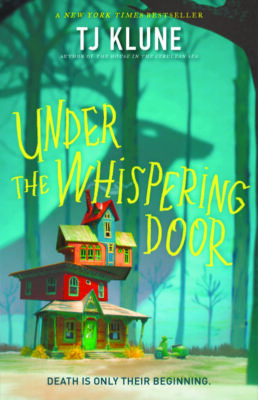
Under the Whispering Door by T.J. Klune, published September 2021 The story of Wallace, a curmudgeonly young man who dies without really having lived, and the kind and wise ferryman, who runs a tea shop and holding room for the recently deceased, who helps him cross over. Recommended by: Maria Schroeter, adult collection development and adult programming librarian at Nesmith Library in Windham. “The story … is filled with hope and caution and made my heart break and soar. T.J. Klune draws you in with wonderful characters, an interesting and extraordinary plot and life lessons for us all.”
When Women Were Dragons by Kelly Barnhill, published May 2022 In an alternate version of the world in the 1950s, one quarter of the female population has spontaneously and simultaneously turned into dragons, and despite the chaos that ensues, no one is allowed to talk about it. Recommended by: Heather Weirich Roy, children’s book buyer at Gibson’s Bookstore in Concord. “This book is full of righteous, suppressed rage at the patriarchy in a clever, well-mannered wrapper.”
What we’re reading: The Priory of the Orange Tree By Samantha Shannon (Bloomsbury, 2019) Shannon explores what happens when a divided world faces a universal threat: the ancient forces of chaos. The Western Queen, Sabran, must conceive a daughter to continue her family’s thousand-year reign and protect the world. Ead, a Southerner and outsider (and secret practitioner of forbidden magic), must convince the Western court to abate its hostility to the East. Tamé, a dragonrider in the East, needs to find a way to open the borders of her closed-off country. This high-fantasy tome is a must read for lovers of magic, dragons, kings, queens, epic battles, and strong, determined women. – Katelyn Sahagian
Graphic novel
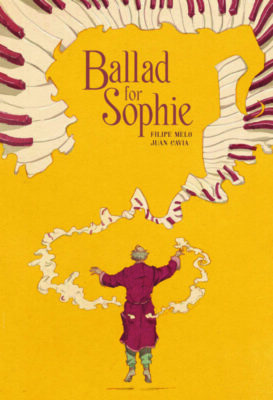
Ballad for Sophie by Filipe Melo and Juan Cavia, published November 2021 An aging piano virtuoso must confront many uncomfortable parts of his past when a young journalist pays him an unexpected visit to conduct an interview. Recommended by: Christopher Larochelle, patron services assistant at Hooksett Public Library. “This graphic novel will captivate readers who want to investigate the price that might come along with fame.”
Salt Magic by Hope Larson, published October 2021 This middle-grade graphic novel fairy tale follows a girl’s journey to save her family from an evil witch who has put a curse on their well, turning the town’s water supply into saltwater. Recommended by: Chris Savukinas, children’s library assistant at Nesmith Library in Windham. “Just when I thought I’d read a bit of everything. I liked it. And there’s a twist at the end I didn’t see coming.”
Historical fiction
Horse by Geraldine Brooks, published June 2022 When civil war grips the country, it kicks off a journey between a groom, his horse and a young artist. Recommended by: Lisa Houde, Assistant Director at Rye Public Library. “Anything this woman writes is gold.”
The Lincoln Highway by Amor Towles, published October 2021 In 1950s America, a man recently released from prison heads to California with his brother to start a new life after the death of their father. Recommended by: Dianne Hathaway, director at Goffstown Public Library, and Jessica DeLangie, head of technical services at the Derry Public Library. “This is an unforgettable book by a talented, beautiful writer,” Hathaway said. “A sweeping story with heartfelt characters, and a fast-paced plot … and very engaging and vivid scenes,” DeLangie said.
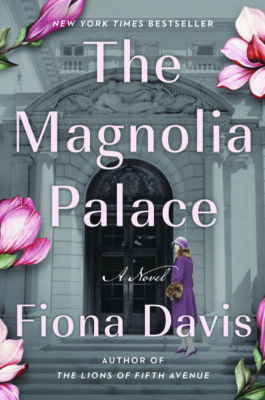
The Magnolia Palace by Fiona Davis, published January 2022 This novel examines the Frick Museum through the eyes of three women: a young artist’s model in the 1920s and her imperious employer and a young model at a fashion shoot in the Frick circa 1966. Recommended by: Carolyn Tremblay, reference librarian at Dover Public Library. “A terrific behind-the-scenes look at an iconic art museum. Fiona Davis excels in bringing history alive.”
Miss Eliza’s English Kitchen: A Novel of Victorian Cookery and Friendship by Annabel Abbs, published November 2021 Two very different women in 19th-century London come together to create a cookbook. Recommended by: Erin Robinson, genealogy and reference librarian at Derry Public Library. “Wonderful characterization, rich prose and close attention to historic cooking make this book a standout.”
Out Front the Following Sea by Leah Angstman, published January 2022 In New England in the late 1600s, 23-year-old Ruth must escape her hometown with no warning and ends up on a ship that takes her to Stonington, Connecticut, where her problems are just beginning. Recommended by: Virginia Hundley, bookseller at RiverRun Bookstore in Portsmouth. “What a fascinating tale of what women had to do to survive in that era. … I loved this book. It is not on any bestseller list, but I came across it somehow and have now hand-sold many copies.”
Small Things Like These by Claire Keegan, published November 2021 This novella, set in a small town in Ireland in 1985, follows Bill Furlong, who delivers coal in a small Irish town and ruminates about what he uncovers along the way. Recommended by: Dianne Hathaway, director at Goffstown Public Library. “The writing is lyrical and lovely, and while there is no deep character development, the plot is full of messages and visual pictures of a quaint Irish town at Christmas.”
Still Life by Sarah Winman, published June 2021. An English soldier meets a middle-aged art historian in Tuscany in 1944, in the midst of bombed-out villages and advancing Allied troops. Recommended by: Karen Dixon, assistant director at Hopkinton Town Library. “It’s a feel-good story, but in an intelligent, not-saccharine way. And there is the bonus of a parrot who quotes Shakespeare.”
The Sweetness Of Water by Nathan Harris, published June 2021 News of the Emancipation Proclamation has just arrived in a rural Georgia town, and most of the white townspeople are refusing to give freed slaves jobs or food. When two of the former slaves are hired by a local farmer, chaos erupts. Recommended by: Willard and Holly Williams of The Toadstool Bookshop in Peterborough. “This is a powerful reminder of the terrors that remained as the war wound down.”
Horror
Cherish Farrah by Bethany C. Morrow, published February 2022 Farrah is a calculating, manipulative and possibly psychopathic young Black girl, who schemes her way into the lives of her Black best friend Cherish’s white, wealthy, adoptive family, and things may be even more insidious than they first appear. Recommended by: Ryan Clark, marketing manager at Gibson’s Bookstore in Concord. “For the folks looking for a splash of horror in their beach reads, look no further than Cherish Farrah. A brilliant, chilling, unflinching masterpiece of a novel. This is social horror at its finest, and it left me spinning.”
What we’re reading: The Shape of Darkness by Laura Purcell (Penguin Books, 2021) In this Victorian gothic tale, silhouette portrait artist Agnes struggles to support herself while recovering from a nervous breakdown and still plagued by the deaths of her lover and her sister. When her clients begin to be murdered after their portrait sittings, Agnes seeks the counsel of a child spirit medium in the hope of finding clues to the killer. Instead she finds that she may be haunted by something much more sinister. Purcell twists all the gothic tropes into her own unique brand of supernatural horror — creepy and deliciously bleak. Here she weaves a story of obsessive loves, secrets, and the dark side of sisterly relationships. —Jennifer Gingras
Mystery and thriller
The House Across the Lake by Riley Sager, published June 2022 A cabin on a lake, a hot cop next door, a former model who might be in danger, a drowned husband, a dubious detective, an urban legend and a whole lot of lies converge in this thriller. Recommended by: Ryan Clark, marketing manager at Gibson’s Bookstore in Concord. “This book made me gasp out loud on multiple occasions. This is the summer thriller you’ve been waiting for.”
The Midcoast by Adam White, published June 2022 This story follows a tragic family of lobstermen who quickly rise from poverty to wealth, and the dark secrets surrounding them. Recommended by: Virginia Hundley, bookseller at RiverRun Bookstore in Portsmouth. “Many plots and twists and … a must-read for anyone familiar with the midcoast of Maine.”
Ocean Prey by John Sandford, published April 2021 When the Marshal service and the Minnesota Criminal Investigation Bureau team up to investigate the murder of a Coast Guard team, the result is a gripping adventure to the bottom of the ocean. Recommended by: Cindy Rivers, Customer Service Librarian at Wiggin Memorial Library. “It’s just a great fun mystery read. I love the character development, and Sandford also does some great research for his stories.”
Poison for Breakfast by Lemony Snicket, published August 2021 The children’s author, writing as himself, tells the story of an ominous note found under his door, leading him to solve the mystery of his own demise. Recommended by: Jessica DeLangie, head of technical services at Derry Public Library. “I love everything Lemony Snicket — the witty humor, the macabre plots, the poignant truisms. This newest story does not disappoint. … I feel this story was very appropriate for adults since it deals with accepting your own eventual demise.”
The Sentence by Louise Erdrich, published November 2021 A different kind of ghost story, this book follows a small independent bookstore that is being haunted by the ghost of its most annoying customer. Recommended by: Jessica DeLangie, head of technical services at Derry Public Library. “It’s … about the power of community, connection, and learning to trust not only others, but ourselves. I’m not sure I have ever felt the growth of a character more than I did with this book.”
What we’re reading: In Cold Blood By Truman Capote (Random House, 1969) Capote’s now-classic In Cold Blood is the perfect antidote to the mindless thriller kept stocked in many a summer beach house. Following the true story of a shocking murder, In Cold Blood is the kind of seminal work that is as entertaining as it is important. The first of its kind, In Cold Blood reimagines how we consume true crime and how we view journalism. For those who love a true crime podcast like Serial or devoured Michelle McNamara’s I’ll Be Gone in the Dark, In Cold Blood is as good now as it was then — and it was pretty good then. —Hannah Turtle
Nonfiction
52 Ways to Walk: The Surprising Science of Walking for Wellness and Joy, One Week at a Time by Annabel Streets, published February 2022 An introduction to walking, with 52 ideas for beneficial ways to walk, backed up by scientific research. Recommended by: Jessica DeLangie, head of technical services at Derry Public Library. “I walked away with many new ideas and some great factoids.”
The Boys by Ron Howard, published October 2021 Director Ron Howard’s memoir recounts a life growing up in Hollywood as a child actor, and the incredible steps his father took to protect Ron and his brother from the pitfalls of success. Recommended by: Anne Powell, Circulation Assistant at Seabrook Library. “I always like memoirs. Their father managed to keep them safe and keep them from getting corrupted or exploited as children and [let them] have a good experience.”
Chasing Eden: A Book Of Seekers by Howard Mansfield, published October 2021 An account of individuals and groups that made attempts to create an Edenic life here on Earth, from the Shaker Community in Canterbury to an early 20th-century Black doctor in Keene who crossed over and back between races. Recommended by: Willard and Holly Williams of The Toadstool Bookshop in Peterborough.
Deep Water: Murder, Scandal, and Intrigue in a New England Town by Ken Sheldon, published June 2022 In August 1918, William Dean was murdered in Jaffrey, New Hampshire, his body dumped in a cistern. The case remains unsolved, but Ken Sheldon recounts the mystery that has surrounded the case ever since. Recommended by: Willard and Holly Williams of The Toadstool Bookshop in Peterborough. “The book reads like a thriller.”
Fuzz: When Nature Breaks the Law by Mary Roach, published September 2021 Mary Roach travels the world to investigate human-wildlife conflicts, from the deadly to the mischievous. Recommended by: John LeDonne, adult book buyer at Gibson’s Bookstore in Concord. “As in all her books, Roach combines humor and science to create an entertaining and enlightening read.”
The Hawk’s Way: Encounters With Fierce Beauty by Sy Montgomery, May 2022 Montgomery showcases many fascinating aspects of hawk life, revealing how these amazing animals fit into nature’s “bigger picture.” Recommended by: Christopher Larochelle, patron services assistant at Hooksett Public Library. “A quick and absorbing nonfiction read, featuring the backdrop of a New Hampshire farm.”
Patient Zero: A Curious History of the World’s Worst Diseases by Lydia Kang, published November 2021 A look at the interesting histories of the diseases that have plagued humans throughout time. Recommended by: Jessica DeLangie, head of technical services at Derry Public Library. “You would think it would be macabre, yet it is fascinating and surprisingly upbeat.”
Ride of Her Life: The True Story of a Woman, Her Horse, and Their Last-Chance Journey Across America by Elizabeth Letts, published June 2021 The remarkable story of a woman from Maine in the 1950s who decides to set off across the country to see California, on her horse. Recommended by: Jessica DeLangie, head of technical services at Derry Public Library. “Her journey seems impossible. Told in a very engaging style, and incredibly researched, I couldn’t put the book down.”
River Man: An American Odyssey by Ben McGrath, published April 2022 Writer Ben McGrath met Dick Conant canoeing the Hudson River, and discovered Contant had crossed the country with his canoe. They exchanged numbers, so when Conant’s canoe was found empty, McGrath got the call from investigators. As he unraveled the mystery of this man’s disappearance, McGrath began to discover the lives that Conant had touched over the years. Recommended by: Andy Richmond, Director at Rye Public Library. “It was really interesting the way this guy touched people’s memories and lives, even with these chance meetings. This was his avenue for adventure, but also his lifestyle. It’s a fascinating story.”
The Storyteller: Tales of Life and Music by Dave Grohl, published October 2021 The Grammy-winning rock star recounts stories from his life and career. Recommended by: Virginia Hundley, bookseller at RiverRun Bookstore in Portsmouth. “Well-written, with a unique and inspiring description of his experiences throughout his career. Honest, and a hard book to put down.”
What we’re reading: Disfigured: On Fairy Tales, Disability, and Making Space By Amanda Leduc (2020, Coach House Books) Leduc unpacks the depiction of disabilities in fairy tales from the Brothers Grimm to Disney, examining how disabilities are used as a curse to be lifted or to signal a villainous character. She demonstrates how who gets the ‘happily ever after’ in fairy tales shapes perceptions of what those with disabilities deserve or can hope for, especially when it’s internalized by those with disabilities. Leduc leaves us with suggestions about how we can write new stories with more complex princesses and superheroes. Leduc’s history of European fairy tales, and how she and others in the disabled community relate to them, is engaging without feeling preachy. — Tristan Collins
Picture books
The Blur by Minh Le, published March 2022 One moment she’s taking her first steps and the next she’s ready to take on the world; the years fly by in this little superhero’s origin story. Recommended by: Heather Weirich Roy, children’s book buyer at Gibson’s Bookstore in Concord. “Perfect for parents seeing their babies growing quickly or new graduates.”
I’m Not Missing by Kashelle Gourley, published May 2022 Tired of having to follow his human’s rules and be on good behavior, a pup runs away, but doesn’t get far when he notices how much his human misses him. Recommended by: Heather Weirich Roy, children’s book buyer at Gibson’s Bookstore in Concord.
Viking In Love by Doug Cenko, published December 2021 A tale of love, the high seas, Viking ingenuity and kittens. Recommended by: Chelsea Paige, digital literacy librarian at Nesmith Library in Windham. “Vikings? Kittens? Count me in. I love when a picture book combines multiple layers and themes and makes it look elegantly easy. This was a delightful read for an adult, without losing its appeal for kids.”
Poetry
Time is a Mother by Ocean Vuong, published April 2022 The poet reimagines the past as if he is living it once again in the present time. Recommended by: Virginia Hundley, bookseller at RiverRun Bookstore in Portsmouth. “This collection is intimate yet maintains a level of distance. His poetry and verse is as wonderful as ever.”
Romance
Book Lovers by Emily Henry, published May 2022 This romance novel follows Nora, a cutthroat literary agent, and Charlie, a famously difficult book editor, in an enemies-to-friends-to-lovers story. Recommended by: Ryan Clark, marketing manager at Gibson’s Bookstore in Concord. “At times laugh-out-loud funny, and at other times heart-achingly tender. … A delightful twist on the Hallmark Movie trope.”
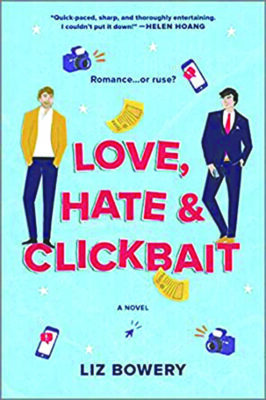
Love, Hate & Clickbait by Liz Bowery, published April 2022 Tom Morgan and Clay Parker are two political consultants working on a California campaign that faces a setback when their candidate is accused of being homophobic. In order to save their image and secure the liberal vote, Parker and Morgan fake a dating life that turns into a little something more. Recommended by: Michelle Sprauge, Adult Services Librarian at Seabrook Library. “There’s a lot of steam and the burgeoning relationship between the two of them propels the story to the end. You really want to see them get their happy ending.”
The Love Hypothesis by Ali Hazelwood, published September 2021 Olive Smith, a Ph.D. student, accidentally lands herself in a fake relationship with a grumpy professor to prove a point to her best friend. Recommended by: Alexa Moore, circulation and reader services librarian at Amherst Town Library. “The fake dating trope can make romances a little predictable, but this story was able to make it relatable [and] funny. … I found it to be an accurate look at balancing graduate school with a relationship, with a little cheesiness mixed in.”
Talk Bookish to Me by Kate Bromley, published May 2021 Between being a bridesmaid for her best friend’s upcoming wedding and trying to finish her next book by the deadline, romance author Kara Sullivan has a lot going on. Things only get more complicated when her estranged first love also happens to be in the wedding party. Recommended by: Amy Lapointe, library director at Amherst Town Library. “The story within a story will appeal to romance readers and book lovers, and the witty dialogue makes this a perfect beach read.”
Science fiction
The Candy House by Jennifer Egan, published April 2022 A tech entrepreneur looks at the long-term consequences of a technology he developed years earlier that allows people to download, access and share their memories. Recommended by: Michael Herrmann, owner of Gibson’s Bookstore in Concord. “An exploration of character and authenticity that will have you up late rereading and obsessing over dozens of brilliantly written passages.”
How High We Go In the Dark by Sequoia Nagamatsu, published January 2022 In a post-apocalyptic world plagued by a deadly virus, humans fight to maintain their humanity and take hope wherever they can find it. Recommended by: Jessica DeLangie, head of technical services at Derry Public Library. “For anyone who likes their post-apocalyptic books to have empathy, imagination and hope. Nagamatsu is an exceptional writer who knows how to pull at the heartstrings as he is weaving an incredible tale.”
A Psalm for the Wild Built by Becky Chambers, published July 2021 In a future where robots have become sentient and live independently from humans, a robot and a monk embark on a journey to discover what humans need for a better future. Recommended by: Jessica DeLangie, head of technical services at Derry Public Library. “A unique speculative fiction story — very positive, very inclusive, very environmentally minded. I loved living in this world and can’t wait for the next book in the series, which will be released in July 2022.”
Sea of Tranquility by Emily St. John Mandel, published April 2022 A mind-bending tale of time travel and characters who share a connection that transcends time and space. Recommended by: Jessica DeLangie, head of technical services at Derry Public Library. “There are many elements and themes that could be pulled out and discussed, but it can also stand completely on its own as just a fun read.”
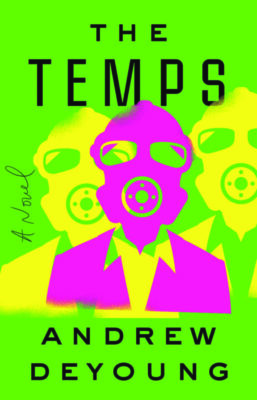
The Temps by Andrew DeYoung, published March 2022 Trapped in their airtight office complex after a worldwide disaster strikes outside, a group of temps must work together to survive and discover the truth about what happened. Recommended by: Tammy Gross, library assistant at Goffstown Public Library. “The author really brought to life the young characters and each of their personalities. It’s been recently announced online that the novel will be adapted for TV, and I’m looking forward to that, too.”
Youth
Family of Liars by E. Lockheart, published May 2022 This prequel to Lockheart’s 2014 young adult novel We Were Liars dives deeper into the secrets and lies of the Sinclairs, a wealthy New England family that will do whatever it takes to keep up appearances. Recommended by: Heather Weirich Roy, children’s book buyer at Gibson’s Bookstore in Concord. “A great summer mystery. When you think you’ve revealed what they’ve been hiding, you only uncover more mysteries hidden away.”
Ogress and the Orphans by Kelly Barnhill, published March 2022 In this middle-grade novel, a group of orphans set out to defend a benevolent ogress who becomes the prime suspect in the case of a missing child when the mayor fuels stereotypes and fears held by the townspeople about ogres. Recommended by: Heather Weirich Roy, children’s book buyer at Gibson’s Bookstore in Concord. “A beautiful parable about doing good where you can and creating a loving community instead of isolating out of fear or anger.”
Information from the New Hampshire Department of Health and Human Services.
Energy costs relief
Gov. Chris Sununu, along with legislative leaders and the New Hampshire Department of Energy, has announced a New Hampshire Emergency Energy Relief Program in response to the nationwide increase in energy costs. According to a press release from the Office of the Governor, the program will include $7.5 million in assistance to help 24,000 low-income families with the costs of cooling their homes during the summer; $7 million for the Electric Assistance Program, which provides assistance with energy costs on a tiered scale to households making less than 60 percent of the median household income; and $60 million to provide $100 bill credits to nearly every residential electric bill ratepayer in the state.
Pediatric Covid vaccine informative video
Dartmouth Health Children’s has created a video to inform the public about pediatric Covid vaccines. In the video, Susanne E. Tanski, MD, MPH, section chief of general pediatrics at Dartmouth Health Children’s, discusses the new emergency use authorization for Covid vaccines for children as young as six months old and answers commonly asked questions. “There are 19 million children who are six months to four years old who have not yet had access to this vaccine,” Tanski said in a press release. “This is a moment we have been waiting for.” Darmouth Health Children’s locations are booking pediatric vaccination appointments now, according to the release.
Applications open for Moose Plate grants
The New Hampshire State Conservation Committee is now accepting applications for 2023 Conservation Moose Plate Grants. Eligible grant applicants include municipalities, County Conservation Districts, nonprofit organizations engaged in conservation programs, public and private K-12 schools, County Cooperative Extension natural resource programs and scout groups that promote and support efforts to protect, restore and enhance the state’s natural and agricultural resources, and provide conservation leadership and guidance. Grant application information can be found on the New Hampshire State Conservation Committee website, scc.nh.gov. Applications are due on Sept. 9, and the grants will be announced in December and available to use in July 2023. The grants are made possible by funds raised through the sales of conservation license plates, known as Moose Plates. New Hampshire residents can purchase Moose Plates year-round at mooseplate.com.
Updates on new forensic psychiatric hospital
The New Hampshire Department of Health and Human Services, Department of Administrative Services and New Hampshire Hospital officials will hold the fourth public information session on a proposed forensic psychiatric hospital on Thursday, June 30, at 6 p.m. According to a press release from DHHS, the 24-bed secure facility will be built adjacent to New Hampshire Hospital, a psychiatric hospital located on Clinton Street in Concord, and will provide safe, skilled and therapeutic psychiatric treatment for forensic patients. The information session, which will specifically cover design updates for the new facility, will be held virtually over Zoom, accessible at nh-dhhs.zoom.us.
NH Retail Association president to retire
Nancy C. Kyle, president and CEO of the New Hampshire Retail Association, will retire at the end of 2022 after a 28-year tenure with the Association, according to a press release. Kyle has a long list of achievements. In 2020, during the pandemic, Gov. Chris Sununu appointed her to the Re-opening Task Force, where she was pivotal in helping retailers adapt to the new restrictions and stay in business.
The Association’s board of directors have selected the Retail Association of Maine to provide full association management to the NH Retail Association, the release said. Curtis Picard, the president and CEO of the Retail Association of Maine, will become president and CEO of the New Hampshire Retail Association when Kyle officially retires, according to the release.
“I have thoroughly enjoyed my tenure at the Retail Association, and wanted to make sure that when I left, the Association was in good hands,” Kyle said in the press release. “I’ve known Curtis for 15 years, and there is no other person I would even consider handing our Association over to.”
Hundreds of people gathered last weekend in Manchester, Concord and other New Hampshire cities and towns to protest the U.S. Supreme Court’s ruling overturning Roe v. Wade, according to NHPR. The rallies were organized by Planned Parenthood New Hampshire Action Fund and other abortion rights activists and reproductive health care providers. A small group of anti-abortion activists also gathered in Manchester to celebrate the ruling, the report said.
A New Hampshire Historical Highway Marker has been installed in Raymond near the intersection of New Hampshire Routes 27 and 156 to commemorate the invention of chain link fencing technology by a Raymond resident Frank J. Mafera in 1930. The marker reads “CHAIN LINK FENCE INNOVATION” and includes a brief history of the fencing.
The United Way of Greater Nashua is looking for more than 100 volunteers to help distribute free school breakfasts and lunches to elementary school students in the Nashua School District. According to a press release, the meals, provided by the school cafeterias, will be distributed on at least one weekday per week from July 5 through Aug. 5 outside of five elementary schools. Register at volunteergreaternashua.org or call 438-2173 or email info@unitedwaynashua.org.
My flight from San Francisco to Boston was full and, as I learned, many of the passengers were on their way to graduation ceremonies across New England. Mine was an aisle seat midway in the Economy section, and across sat — as I found out later — a grandmother traveling with her son and wife to attend the college graduation of the granddaughter. Before long, the grandmother and I began exchanging pleasantries regarding everything from how Covid had curtailed our travel for the last two years to how we each were planning to spend the long weekend. She was excited about her granddaughter’s forthcoming graduation as she herself had graduated from the same college 70 years earlier. She confided to me her age: 92!
That detail of her age quickly led us into a conversation about college life and then the changes she’d lived through over her long life. As our topics moved to more political matters, I noticed other passengers had put down their reading and appeared to be listening. Because she was a bit hard of hearing, I was speaking a tad louder and so it was probably easy for folks seated in front or behind us to catch snatches of our exchange. But we were surprised when a passenger immediately ahead of us turned around and offered a thoughtful comment on our discussion of the forthcoming midterms. That must have prompted the woman behind me to join us also and before long we had a robust four-way conversation going.
The five-plus-hour flight passed quickly as we talked nearly all the way. It was clear we were not all of the same mind about current events and personalities, but we listened respectfully even when differences were very pronounced. As our plane began its approach to Logan Airport, the grandmother leaned over to us and announced, “You know, we’ve just had a substantive conversation ‘across the aisle.’ As a country, we need a great deal more of this.”
Ours was a fortuitous experience because such candid and civil conversations across divides of whatever kind are rare because they are hard and sometimes risky to have these days. In her book Becoming Wise: An Inquiry Into the Art of Living, Krista Tippett offers “Generous Listening” as a way to learn about both others and ourselves by seeking, through respectful questions, to understand another person’s views. On that flight, four strangers leaned across a physical as well as an ideological aisle. I certainly felt better for it.
For his 1987 album Bring The Family, John Hiatt had a band of heavy hitters: guitarist Ry Cooder, Nick Lowe playing bass, and drummer Jim Keltner. But he knew they wouldn’t be with him to tour in support of that career-defining disc. So when Asleep at the Wheel’s Ray Benson suggested he seek out Sonny Landreth, Hiatt listened.
“He spoke of him in terms of, ‘He’s the other slide guitar player,’” Hiatt recalled in a recent phone interview. “He knew Ry wasn’t coming out with us, so he was recommending Sonny as the other guy who could do the job…. Indeed, it turned out to be the case.”
Landreth brought a rhythm section of David Ranson and Ken Blevins to audition for Hiatt, a process that took one run through “Memphis In The Meantime” to complete. After months on the road elevating that and other Bring The Family tunes, the band, now called The Goners, went into the studio with iconic producer Glyn Johns to make Slow Turning.
The band reunited in 2018 to celebrate that album’s 30th anniversary. Now, fresh from touring with Jerry Douglas in support of their 2021 collaboration Leftover Feelings, Hiatt is back with his old group and an expanded setlist that includes songs from the two albums they made together in the early 2000s, The Tiki Bar is Open and Beneath This Gruff Exterior.
“We’re extending out to them, with the exception of the first A&M album (Family); but we toured that so extensively it feels like it’s theirs in my mind,” he said. “Mainly drawing from those four, and there are things included in those records that I haven’t played in a long time. So we’re kind of excited about that.”
Asked about the ease with which his infrequent touring unit gets back into form, Hiatt chuckled. “We’ll see,” he said. “We don’t like rehearsing too much — save it for the night. We’re kind of a weird, I don’t know, punk band — except for Sonny, who’s a virtuoso. The rest of us are good at what we do, but we just do one or two knuckleheaded things.”
Along with his own output, other artists have recorded Hiatt’s tunes extensively, from Three Dog Night to Bonnie Raitt, whose version of “Thing Called Love” helped reboot her career. Bob Dylan did Hiatt’s “The Usual” for the soundtrack to Hearts of Fire. Hiatt can’t name a favorite, though hearing the Neville Brothers do “Washable Ink” stands out. “Because I love them so much … but there’s been a lot of thrills, spills and chills getting songs covered.”
As to his own songs, Hiatt is taciturn. “They’re like kids [and] you don’t have a favorite child — it’s against the law,” he said. “I love them all; they grow up and go out, and some of them excel in different ways than others. But again, it’s like children — you love them all until the bitter end.”
With two dozen albums spread across almost 50 years, Hiatt allows that the muse is easier to summon as he approaches age 70 and awaits the birth of his first grandchild, courtesy of daughter Georgia Rae — but only a little bit.
“The biggest problem I think you have to get by is you gotta get past that guy, John Hiatt, who writes songs,” he said. “I do remember when I was younger and I got a little bit of notoriety, the sort of modest career that I’ve had, you kind of get scared by your own ghost, you know? So in that respect, I think it’s easier. But they’re maybe fewer and farther between.”
That said, he has enough new material for a record and hopes to hit the studio sometime in the next six months. “I don’t know what it will be, if I’ll do it acoustic, just me,” he said. “I’ve always wanted to make just a solo record.”
The upcoming tour has Hiatt considering another possibility. “I have thought about getting The Goners back together with Glyn Johns and making a record,” he said, rising at the notion that watching the Get Back documentary may be part of his inspiration.
“Wasn’t he amazing in that?” he said of Johns, who also helmed the follow-up to Slow Turning, 1990’s Stolen Moments. “And no different, no different — that’s what’s so great about him. I mean, we’re no Beatles, and he was a much younger man, but he was just as forthcoming and easy going with us back in ’88 as he appeared to be on the Let It Be tapes. He’s a great guy; he’s holding a lot of cards.”
John Hiatt & the Goners Featuring Sonny Landreth w/ Chris Trapper When: Saturday, June 25, 8 p.m. Where: Colonial Theatre, 609 Main St., Laconia Tickets: $49 and up at etix.com
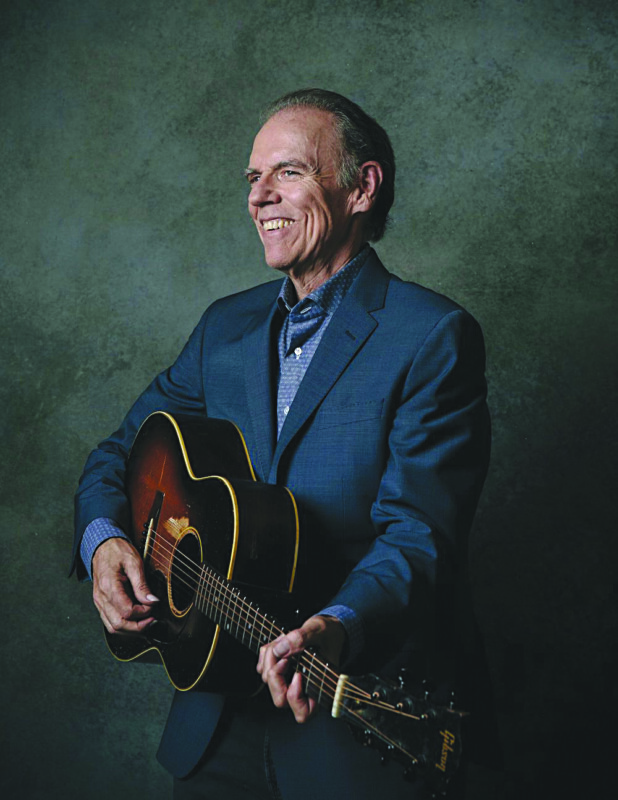
Featured photo: John Hiatt. Photo by David McClister.