
Big Events November 10, 2022 and beyond
Thursday, Nov. 10
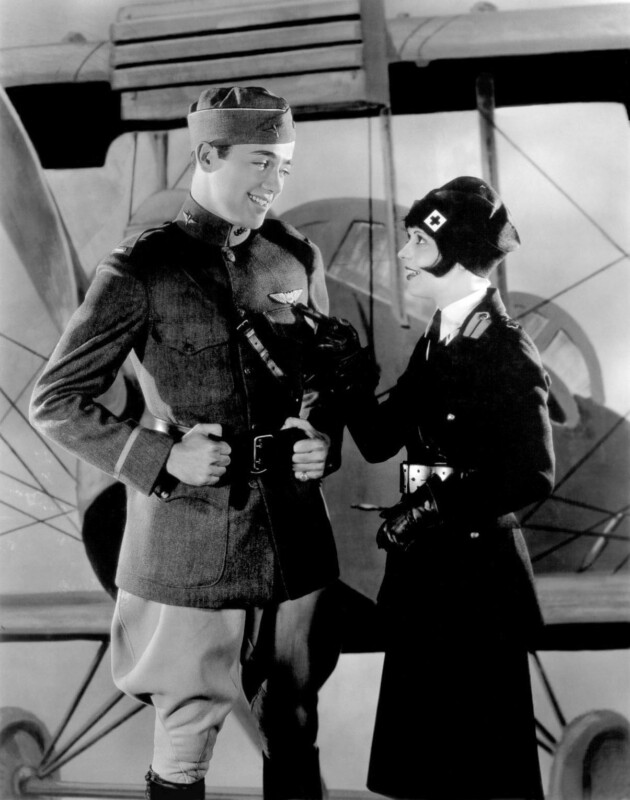
The Wilton Town Hall Theatre (40 Main St. in Wilton; 654-3456) will screen the silent film Wings (1927) today at 7:30 p.m. with live musical accompaniment by Jeff Rapsis. The movie, which was a blockbuster hit when it opened and won the first “best movie” Academy Award ever given, is a silent film about American pilots flying through Europe during World War I, according to a press release. Tickets cost $10 at the door, and tickets for veterans and members of the Aviation Museum of New Hampshire are free. For more information about the Aviation Museum, visit aviationmuseumofnh.org.
Thursday, Nov. 10
On Your Feet! The Story of Emilio & Gloria Estefan, a musical featuring some of Gloria Estefan’s biggest hits, will hit the stage at the Capitol Center for the Arts (Chubb Theatre, 44 S. Main St. in Concord; ccanh.com) tonight at 7:30 p.m. Doors open at 6:30 p.m. Tickets start at $55 (plus fees).
Friday, Nov. 11
The Southern New Hampshire University Penmen and Saint Anselm College Hawks will go head-to-head in a women’s basketball game today at Stoutenburgh Gymnasium (73 College Road in Manchester). The game will start at 6 p.m. Tickets cost $10 per person and can be purchased with credit cards only one hour before game time at the door. Visit saintanselmhawks.com.
Friday, Nov. 11
Creative Venture (11 Nashua St. in Milford; creativeventuresfineart.com) will hold the opening for its annual “Small Works, Big Impact” show today from 6 to 8 p.m. The non-juried show, which will be on display through Dec. 31, will have works of art, all smaller than 12 inches in diameter, from 30 local artists with media ranging from graphite and ink to polymer clay and glass, according to the website.
Friday, Nov. 11
Comedian Jimmie “JJ” Walker will perform two area shows this weekend. Catch him tonight at 8:30 p.m. at the Chunky’s in Nashua and tomorrow, Saturday, Nov. 12, at 8:30 p.m. at Chunky’s in Manchester. See chunkys.com.
Sunday, Nov. 13
The Manchester City Marathon will start at Veterans Memorial Park (723 Elm St. in Manchester) today at 9:15 a.m. There will also be a half marathon and a 5K starting at the same time. Registration is $30 for the 5K, $85 for the half marathon and $100 for full marathon. To register, visit millenniumrunning.com.
Save the date! Wednesday, Nov. 30
A new exhibit, “Manchester Through the Lens of Frank Kelly,”is coming to the Millyard Museum (200 Bedford St. in Manchester; manchesterhistoric.org/millyard-museum) on Wednesday, Nov. 30, with an opening day unveiling at 5 p.m. Kelly, a photographer from Manchester from the 1950s through the 1980s, owned his own studio and he and his wife Eleanor photographed people, landmarks, and buildings of Manchester. Many of the photographs and negatives will be on display. Reserve a spot by emailing history@manchesterhistoric.org or calling 622-7531.
Featured photo. Wings. Courtesy photo.