Big Events July 21, 2022 and beyond
Thursday, July 21
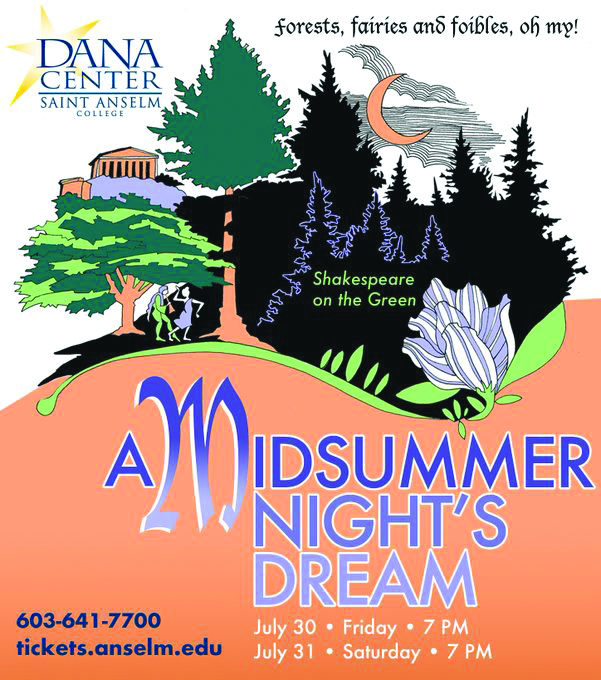
The Dana Center for the Humanities at Saint Anselm College (100 Saint Anselm Drive, Manchester) is holding Shakespeare on the Green beginning tonight at 7:30 p.m. There will be two shows, A Midsummer’s Night Dream and Romeo and Juliet. A Midsummer’s Night Dream will run July 22, July 28 and July 30 at 7:30 p.m., and Romeo and Juliet will run July 21, July 23, and July 29 at 7:30 p.m. Tickets cost $25 per person and can be purchased at tickets.anselm.edu.
Friday, July 22
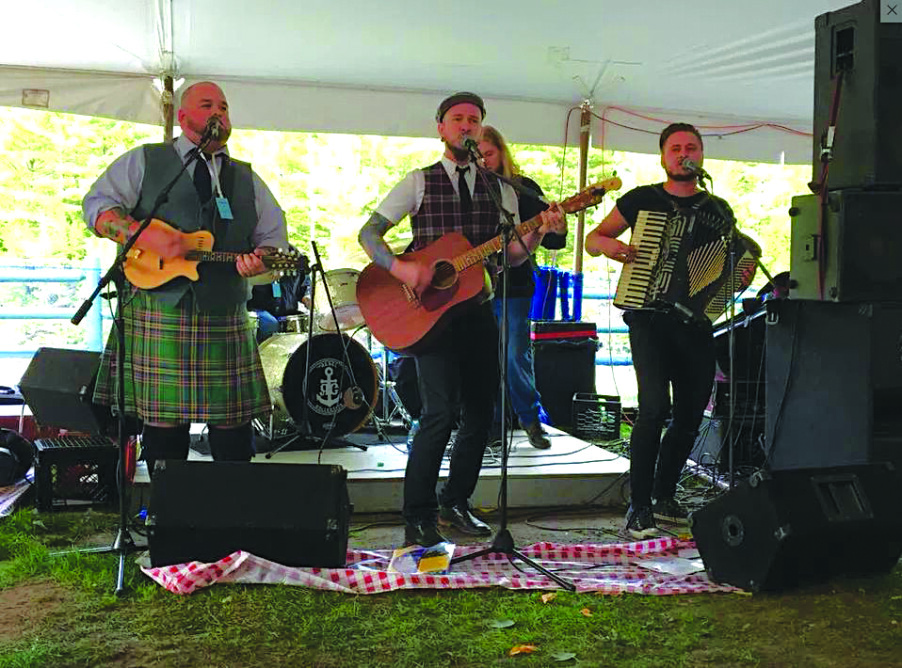
Mola Foods (9 Simon St., Nashua) is offering the fourth Taste of Africa hosted by owner and chef LaFortune Jeannette Djabea. There meat and vegetarian meal options with dishes that span across the continent of Africa. In addition to the food, there will be live music. The event starts at 6:30 p.m. Tickets can be purchased at molafoods.com/africa4.
Sunday, July 24
This is the last day of “Warhol Screen Tests,” a collection of 20 of Andy Warhol’s short, silent black-and-white films of his friends at his studio in New York City, at the Currier Museum of Art (150 Ash St., Manchester). Museum admission costs $15 for adults, $13 for seniors age 65 and up, $10 for students, $5 for youth ages 13 through 17, and is free for children age 12 and under and museum members. Current museum hours are Thursday, from 10 a.m. to 8 p.m.; Friday through Sunday, from 10 a.m. to 5 p.m., closed Monday through Wednesday. Call 669-6144 or visit currier.org.
Sunday, July 24
St. Theresa Parish Center (815 Central Road, Rye) is hosting the New England Tenors from 2 to 4 p.m. The tenors will sing a Broadway tribute, songs of inspiration and a special Irish set. They will also have a special guest, soprano Mary Metvier. At intermission there will be an ice cream social. Tickets cost $20 per person or $125 for a table of seven. Call Mike Fay at 978-476-6053 or email coachmikefay@gmail.com.
Wednesday, July 27
Sommelier and wine educator Marie King is leading a Wine and Chocolate Pairing Class at LaBelle Winery (14 Route 111, Derry) at 6 p.m. Visitors will pair five different types of chocolate and wine. No previous knowledge of wine pairing is needed. Tickets cost $43.40 and can be purchased at labellewinery.com/shop/wine-chocolate-pairings-class-derry.
Thursday, July 28
The Dover Public Library (73 Locust St., Dover) is offering Cocheco River Writers, a new creative writing group for all skill levels. The first meeting will begin at 6:30 p.m. The Cocheco River Writers will be a quiet atmosphere for people to share their writing and receive advice and feedback. People willing to share their writing should bring a copy to the first session. Email Aimee Lockhardt at a.lockhardt@dover.nh.gov or call the library at 516-6050.
Save the Date! Monday, Aug. 8
The 18th Annual Fore Paws Golf Classic to benefit Salem Animal Rescue League (SARL) will take place at Windham Country Club (1 Country Club Road) at 7:30 a.m. Registration costs $175 and closes on July 31. Included in the registration is 18 holes, cart and driving range, hot dog at the turn, 10 raffle tickets, one square on the wine and spirits board, on-course contests, individual golfer gift and golf balls, lunch, and one beverage ticket. All proceeds go to SARL. Register at sarlnh.org or call SARL at 893-3210.
Featured photo. The Dana Center’s Midsummer Night’s Dream.